
Marine Anchor,Boat Bollard,Thru-Hull,Boat Cleat,Boat Seat,R&D Customized Marine Products,Seawater Strainers,Pull Rings,Marine Steering Wheel,Deck Filler,Pipe Stanchion,Hinge,BIMINI Fitting,Bow Chock,Boat Anchor Roller,Marine Ladder,Fishing Rod Holder,Deck Plate,Antenna Base,Cockpit Drain,Turning Lock,OEM/ODM Marine Hardware,Chain Stopper,Anchor Connector,Tank Vent,Boat Anchor,Copper Plated Marine Hardware,Brass Bronze Parts,Anchor Chain


There’s a quiet frustration that builds when a hose kinks at the worst possible moment—when you're docking in a crosswind, rinsing off salt spray, or running a cleaning cycle on a food-grade tank. Fluids back up, pressure spikes, and what should be a swift operation becomes a wrestling match with twisted tubing. Most fittings promise rotation but deliver only stiffness under real load. This is where precision engineering changes the game, and Shandong Power Industry and Trade Co., Ltd. has redefined expectation with a component so seamless it almost disappears into the system—the 316 Stainless Steel Internal Swiveling Joint.
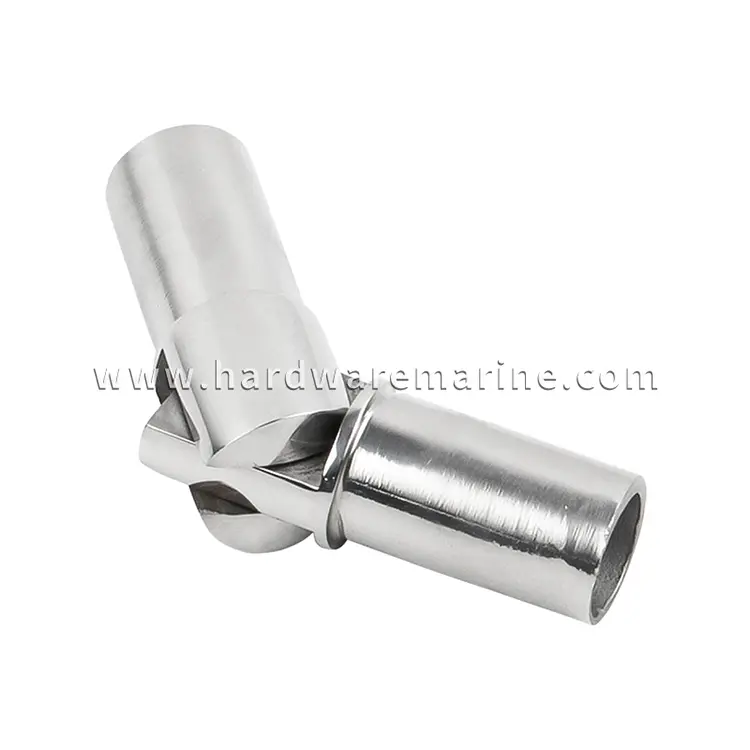 316 Stainless Steel Internal Swiveling Joint close-up showing polished surface and thread design" style="width:100%; height:auto; margin: 25px 0; border-radius: 8px; box-shadow: 0 4px 12px rgba(0,0,0,0.1);">
Imagine a piece of hardware that lives at the intersection of metallurgy and motion. Its body is forged from 316 stainless steel, an alloy prized not just for corrosion resistance but for its molybdenum-enriched composition that laughs at chlorides. Brackish marinas, industrial sanitizers, tropical humidity—none penetrate the passive layer that forms on this steel. Inside, the swiveling mechanism is not simply a ball bearing trapped in a cage; it's a precision-ground raceway that distributes load across multiple contact points, allowing full 360-degree rotation even under 200 psi of flowing media. When you turn a wand or reposition a hose reel, the joint moves with you, not against you.
Shandong Power Industry and Trade Co., Ltd. builds every unit with a philosophy that the best seal is the one you never have to reseat. Double O-ring grooves with backing rings prevent extrusion, while the internal geometry directs lubricant back toward the seal lips rather than forcing it out. The result is a swiveling joint that can run dry for brief periods without scoring, a critical backup for operators who might forget to flush a line after use.
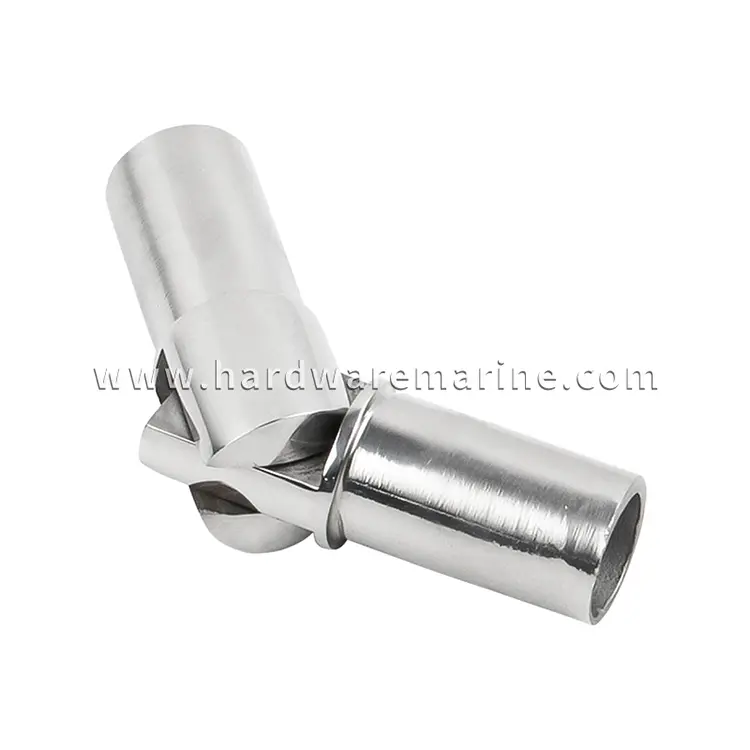
This joint wasn't born in a vacuum—it emerged from field reports across aquaculture farms, commercial vessel decks, and pharmaceutical clean-in-place systems. In every setting, the common enemy was particulate entrapment. Conventional swivels collect debris between their rotating collars, eventually grinding into a paste that abrades seals. The internal design of this 316 stainless steel variant encapsulates the rotation mechanism within a shielded chamber, isolating it from environmental grit. When you spray down a fish hold or transfer a chemical solution, the joint's exterior remains smooth and free of crevices. A quick wipe is all it takes to restore its mirror-like finish.
Key to its performance is the thermal stability of the selected materials. Standard 304 stainless can sensitize in weld zones above 800°C, but 316's low carbon content and additional nickel keep it robust through repeated thermal cycling. Steam sterilization at 121°C or prolonged exposure to hot washdowns won’t warp the seating surfaces or relax the internal tolerances. For engineers specifying components in hygienic applications, that means a documented service life exceeding 500,000 cycles under continuous 80°C fluid flow—tested and verified by Shandong Power Industry and Trade Co., Ltd.'s in-house validation lab.
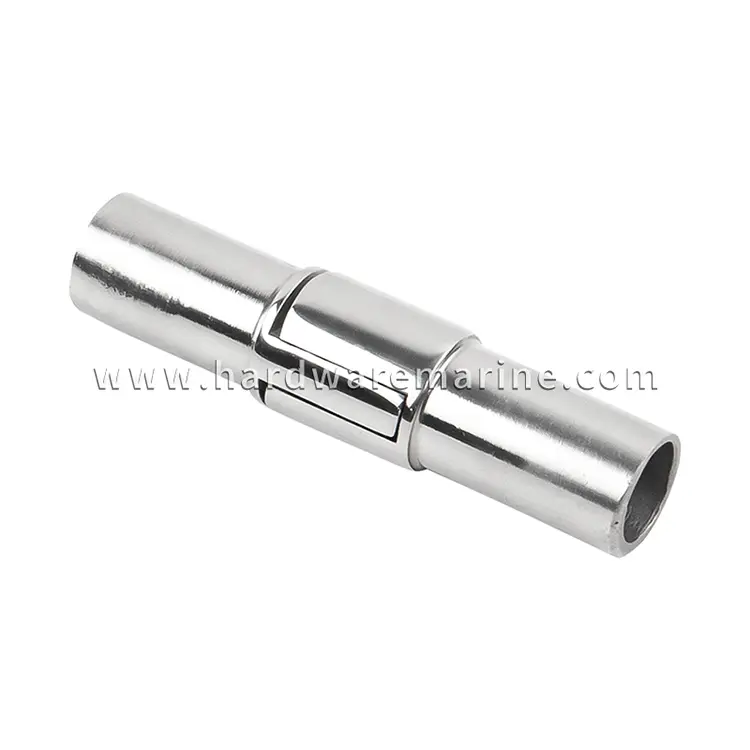
Think about the last time you changed a heavy implement on a hydraulic line. The fittings groaned, the hose twisted, and you braced yourself for the inevitable drip. Now substitute that memory with a scenario where the joint rotates with a finger's pressure, no wrench needed. The internal swivel eliminates torsion in the hose, increasing its service life by up to 30% according to independent fatigue studies. For fleet managers, that translates into fewer maintenance interventions and a measurable reduction in consumable costs over a calendar year.
A closer look at the sealing architecture reveals a tailored approach. Instead of generic nitrile O-rings, Shandong Power Industry and Trade Co., Ltd. equips each joint with FKM (Viton®) elements as standard, with EPDM or Kalrez® available for specific chemical compatibilities. The seal grooves are CNC-machined to a surface roughness of Ra 0.8 μm, providing an exceptionally smooth bed that minimizes micro-leakage paths. When pressurization occurs, the seals deform into a controlled ellipse that actually increases contact force—a phenomenon called pressure-activated sealing.
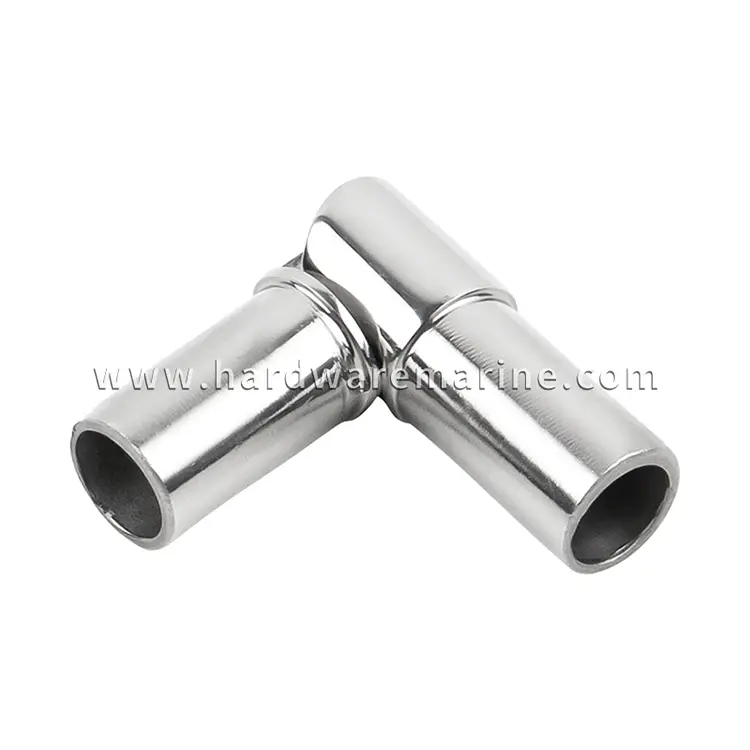
Numbers on a datasheet often feel abstract until you associate them with a real-world scenario. Take a food processing plant that conducts 12 CIP cycles a day, each involving acidic rinse, alkaline wash, and 90°C sanitizer. The 316 Stainless Steel Internal Swiveling Joint handles this rhythm without losing torque integrity because its body and stem are machined from the same billet family, ensuring identical thermal expansion coefficients. There's no differential growth to shear the seals.
| Specification | Value | End-User Benefit |
|---|---|---|
| Body Material | 316 Stainless Steel (UNS S31600) | Exceptional pitting resistance in chloride-rich environments |
| Maximum Working Pressure | 2500 psi (172 bar) at 72°F | Safety margin for pressure spikes in hydraulic and washdown applications |
| Temperature Range | -20°F to 400°F (-29°C to 204°C) | Suitable for steam, hot oils, and cryogenic transfer |
| Seal Material | FKM (standard), EPDM, FFKM options | Chemical compatibility tailored to process media |
| Rotation | 360° continuous, low friction | Prevents hose twist, reduces operator fatigue |
| Leak Rate | < 1 x 10⁻⁴ cc/min helium | Zero fugitive emissions under normal operation |
| Thread Standards | NPT, BSPT, BSPP, JIC, ORFS | Global compatibility without adapters |
One of the least discussed yet most impactful features is the joint's weight-to-strength ratio. A 3/8” NPT unit weighs just under 6 ounces but carries a working load that frequently exceeds the rating of the attached hose. This matters when you're installing on a boom arm where every ounce translates into counterbalance cost. The compact envelope also fits into retrofits where previous swivels proved too bulky.
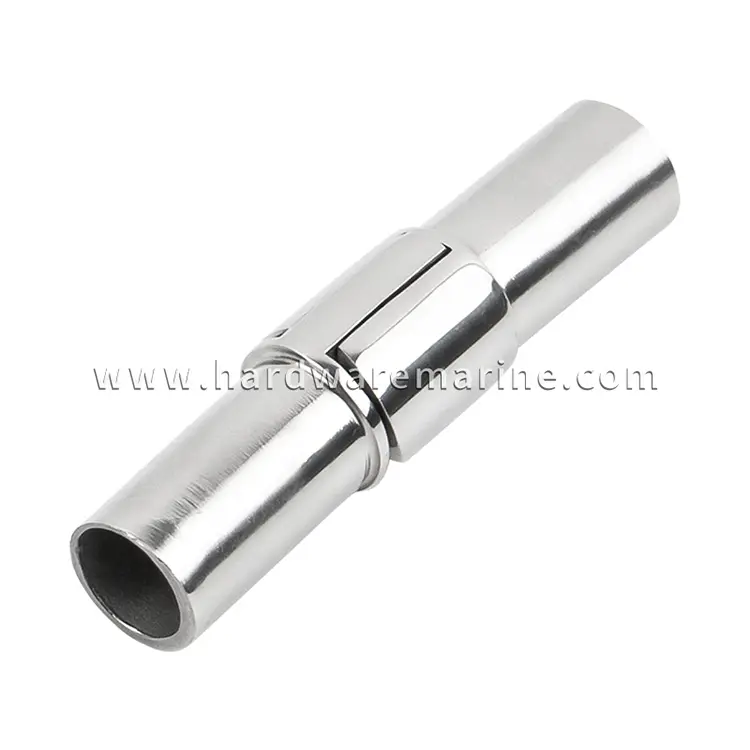
So who reaches for this component when specifying a new build or retrofitting aging infrastructure? Marine mechanics dealing with washdown pumps and deck fittings want corrosion resistance that survives saltwater immersion cycles. Their previous brass swivels would dezincify, and 304 stainless still showed tea-staining after a season. The 316 Stainless Steel Internal Swiveling Joint remains passivated, its surface inert to the copper-based anti-fouling paints that drift in marinas.
Then there are the operators of pressure washers and industrial spray systems. They need a swivel that won't bind after a week of 150°F water mixed with degreasers. The internal swiveling joint from Shandong Power Industry and Trade Co., Ltd. uses a proprietary film lubricant compatible with high-alkaline detergents, so rotation stays buttery even when the exterior is caked in scale. A quick run through a hot rinse and the joint is ready for the next shift.
Food and pharmaceutical engineers specify this part because it meets 3-A Sanitary Standards outline when ordered with the appropriate surface finish. Electropolished options bring the internal wetted surfaces to Ra 0.5 μm or better, eliminating bacterial attachment points. The swivel's internal chamber is self-draining in the vertical orientation, a detail that simplifies validation for clean-in-place protocols.
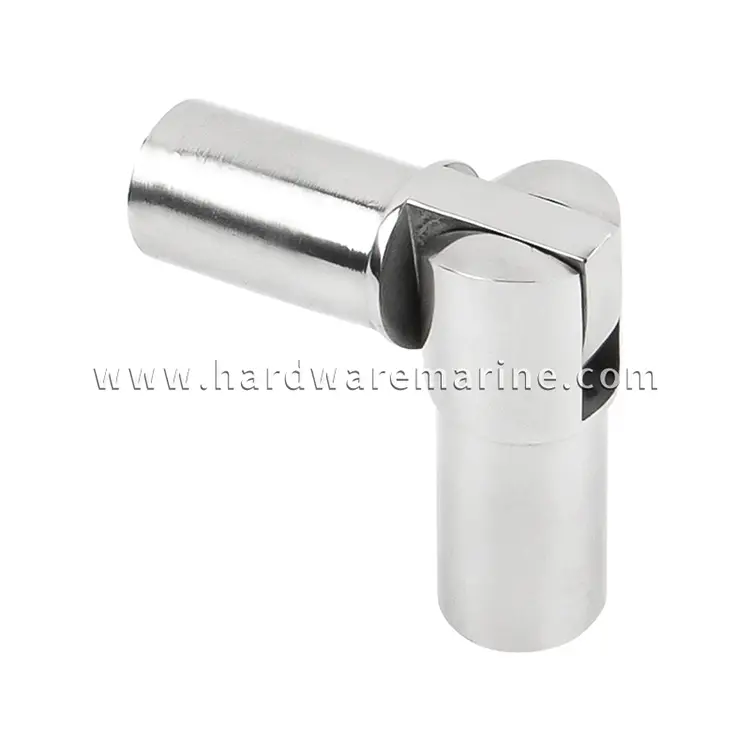
On the surface, buying a swivel joint is a procurement decision, a line item on an RFQ. But the feeling after installation is distinct. It's the relief of turning a spray gun with one hand while the hose follows, the instant response without that moment of resistance that throws off your aim. It's the confidence that on a pitching deck, a fuel transfer line won’t work-harden and crack because the joint absorbed the twist. These small moments accumulate into trust—trust that the connection won’t be the weakest link when seconds count.
Consider a veterinary clinic replacing toe-joints in their dental delivery units. The previous swivels leaked after autoclaving, leaving puddles on the counter. The 316 Stainless Steel Internal Swiveling Joint, with its temperature-resistant seals and polished body, eliminated the leak and simplified the sterilization cycle. The clinic manager noted that the team’s frustration dipped palpably because they weren’t constantly mopping up. There’s a human factor to fluid handling that spec sheets rarely capture.
For homebrewing enthusiasts and craft distillers, the joint brings a joy that borders on obsession. Mashing in with a rotating sparge arm is no longer a two-handed job while balancing on a step stool. The swivel lets the arm float, distributing water evenly without manual adjustment. The same holds for spray-on wax applicators in automotive detailing—a smooth, uninterrupted rotation means even coverage without wasted product.
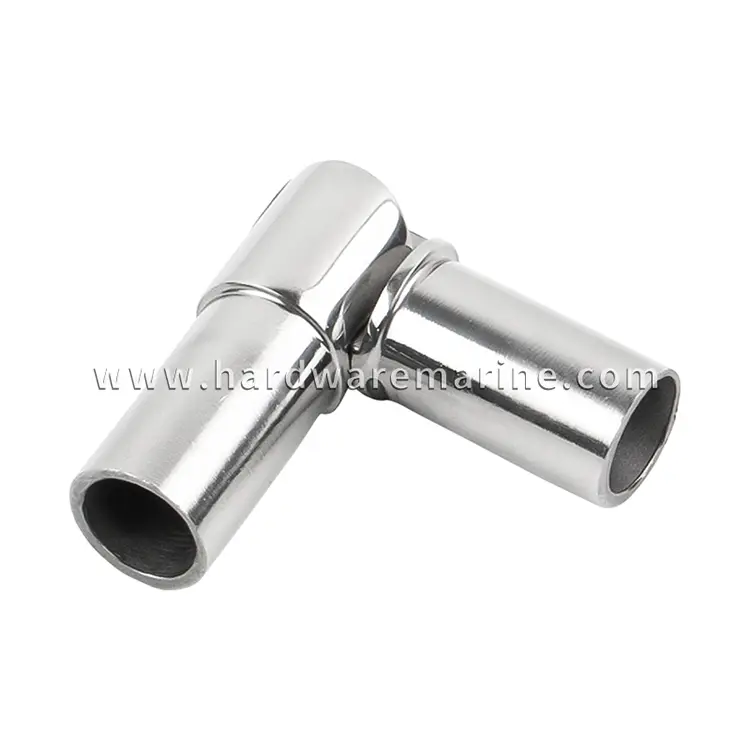
At a glance, one swivel can look much like another. But disassemble a competitor’s unit and you’ll often find a single O-ring doing all the work, supported by a metal-to-metal bearing surface that galls under sideload. Shandong Power Industry and Trade Co., Ltd. rethought that architecture by introducing a floating thrust washer made of Torlon® or PEEK, depending on the temperature spec. This washer takes the axial thrust, allowing the O-rings to focus solely on sealing. The result is a 40% reduction in rotational breakaway torque after 100,000 cycles compared to conventional designs.
The external hex flats are another deliberate choice. They’re sized to match common hydraulic wrench jaw openings, so you can hold the body securely while tightening the mating connector. No more pipe wrench scars marring the surface. The wrench flats also serve as a visual indicator of the joint’s size—a small detail that reduces picking errors in busy supply rooms.
Traceability is embedded into every unit produced. Laser marking on the body includes the heat number, date code, and a QR code linking to the digital material certificate. For users in regulated environments, this eliminates hours of document chasing during audits. Shandong Power Industry and Trade Co., Ltd. maintains a cloud portal where the full pedigree of the stainless steel can be accessed using that code, from the mill of origin to final inspection measurements.
Can this swivel joint be used with potable water systems?
Absolutely. The 316 stainless steel body and FKM or EPDM seals are compliant with NSF/ANSI 61 for drinking water contact when requested. For municipal or residential water purification setups, we recommend specifying EPDM seals to avoid any taste alteration. The internal surfaces are passivated and rinsed, ensuring no residual manufacturing oils remain. Regular flushing upon first installation is advised, but no special preparation is needed beyond standard system commissioning. If the joint is to be used in a hot water loop, confirm that the seal material selected matches the continuous temperature exposure to retain full certification.
What maintenance does the internal swiveling joint require?
The design is intentionally low-maintenance, but not “no-maintenance.” Under normal operating conditions, the sealed bearing cavity will perform for tens of thousands of hours without intervention. For media with aggressive solvents or abrasive particles, we suggest a quarterly visual inspection where the joint is rotated while pressurized to detect any grit-induced roughness. Should roughness develop, the joint can be flushed with a compatible solvent through the weep hole—if equipped—to clear debris. Relubrication is typically unnecessary, as the internal film lubricant is bonded to the raceways. In extreme high-cycle applications such as automated wash machines, a bi-annual teardown and O-ring replacement kit will restore factory-fresh performance. Replacement kits with step-by-step instructions are available directly from Shandong Power Industry and Trade Co., Ltd.
How does it handle vacuum conditions?
The internal geometry of the seal gland is designed to prevent seal collapse under vacuum. The O-ring grooves have a anti-extrusion lip that retains the elastomer when the pressure differential reverses. You can safely draw down to 29 inches of mercury without leakage or seal displacement. Many automotive air conditioning service machines use this joint on their recovery hoses for precisely that reason—consistent sealing under both pressure and vacuum cycling. We still recommend verifying that the elastomer you’ve selected is vacuum-rated for your temperature extremes, as some softer compounds may degas at elevated heat during vacuum service.
Are there size limitations or custom variations?
Standard production ranges from 1/8” to 2” port sizes, covering the vast majority of industrial and marine needs. For custom projects, such as a 3” BSPP hydraulic return line on a dredge, Shandong Power Industry and Trade Co., Ltd. has an engineering team that can scale the design. They’ve previously produced swivels with integrated check valves, high-voltage insulation coatings for electrostatic painting arms, and even cryogenic versions with PTFE-based seals for LNG transfer. Lead times for custom orders typically run 6-8 weeks, with digital prototypes shared for approval before machining begins. Because all manufacturing is centralized, quality control remains consistent even on one-off pieces.
Is the joint compatible with corrosive chemicals beyond seawater?
316 stainless steel offers broad resistance to organic acids, many concentrations of sulfuric and phosphoric acid, and alkaline solutions up to 10% by weight. For strongly oxidizing environments like chlorine dioxide or hot concentrated hydrochloric acid, we recommend upgrading to super-austenitic stainless or titanium, but the base 316 grade covers 90% of industrial chemical applications. The sealing element selection is just as critical; our engineers can cross-reference your chemical list with published compatibility guides and suggest the optimal elastomer. In cases where the environment is too severe for any elastomer, we have engineered a metal bellows version that completely isolates seals from the media, though that product falls under a separate product family.
Why choose Shandong Power Industry and Trade Co., Ltd. over other suppliers?
The difference lies in vertical integration and deep metallurgical knowledge. Many distributors are box-movers with no ability to validate the steel’s provenance. This company melts and forges its raw stock in-house, inspecting each heat with a spectrometer to certify alloy composition. The swiveling joints are assembled in an ISO 7 cleanroom environment to prevent particulate contamination of the sealing surfaces. After assembly, every unit undergoes a pressure decay test and a rotational torque test under load, with results digitally archived. Support extends beyond the sale with same-day technical consultation and a warranty that acknowledges real industrial usage—12 months from installation or 18 months from shipping, whichever is later. That confidence is built into the price and the product.
The 316 Stainless Steel Internal Swiveling Joint is less a component and more a commitment to uninterrupted flow—wherever fluids travel, whatever the angle, however long the shift. It's a choice that shows up in quieter pumps, cleaner floors, and the subtle satisfaction of gear that simply works. Shandong Power Industry and Trade Co., Ltd. invites you to experience precision rotation that sets a new baseline for reliability, because every revolution should be effortless.


