Marine Anchor,Boat Bollard,Thru-Hull,Boat Cleat,Boat Seat,R&D Customized Marine Products,Seawater Strainers,Pull Rings,Marine Steering Wheel,Deck Filler,Pipe Stanchion,Hinge,BIMINI Fitting,Bow Chock,Boat Anchor Roller,Marine Ladder,Fishing Rod Holder,Deck Plate,Antenna Base,Cockpit Drain,Turning Lock,OEM/ODM Marine Hardware,Chain Stopper,Anchor Connector,Tank Vent,Boat Anchor,Copper Plated Marine Hardware,Brass Bronze Parts,Anchor Chain


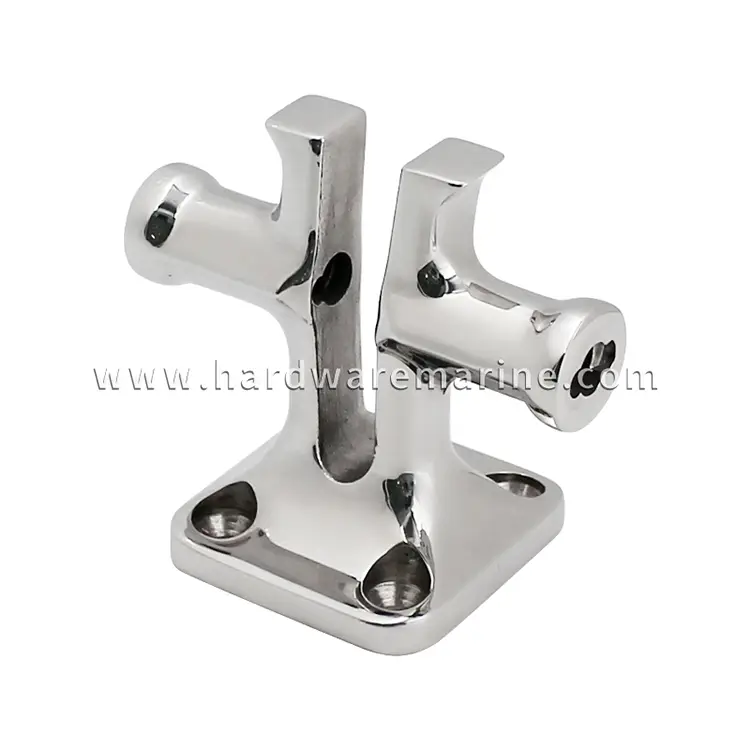

Imagine the quiet rhythm of the tide against the hull, the salt-kissed breeze weaving through the rigging, and the steady trust you place in every piece of hardware that holds your vessel secure. In the world of mooring and docking, there exists a silent guardian—crafted not just to serve but to endure beyond expectation. This is where the 316 Stainless Steel Marine Split Bollard enters the narrative, a piece of marine equipment that redefines resilience on the waterfront. Brought to life by Shandong Power Industry and Trade Co., Ltd., this bollard is more than a casting; it is a meticulously engineered solution born from decades of metallurgical insight and a passion for the sea. Whether you operate a busy commercial marina, maintain a private yacht slip, or oversee industrial berthing facilities, the demands on your mooring hardware are relentless. Corrosive saltwater, relentless ultraviolet exposure, sudden load surges from shifting tides, and the constant abrasion of docking lines all conspire to degrade subpar equipment. The result is often a quiet anxiety: undetected stress cracks spreading beneath a shiny surface, pitting corrosion weakening load-bearing walls, and the eventual catastrophic failure that no captain ever wants to witness. The 316 Stainless Steel Marine Split Bollard addresses these fears at their root, delivering a product that marries advanced alloy science with practical, installation-friendly design. Every curve and contour of this bollard speaks to a deep understanding of marine dynamics, and every polished inch reveals an uncompromising commitment to quality that only Shandong Power Industry and Trade Co., Ltd. can consistently provide.
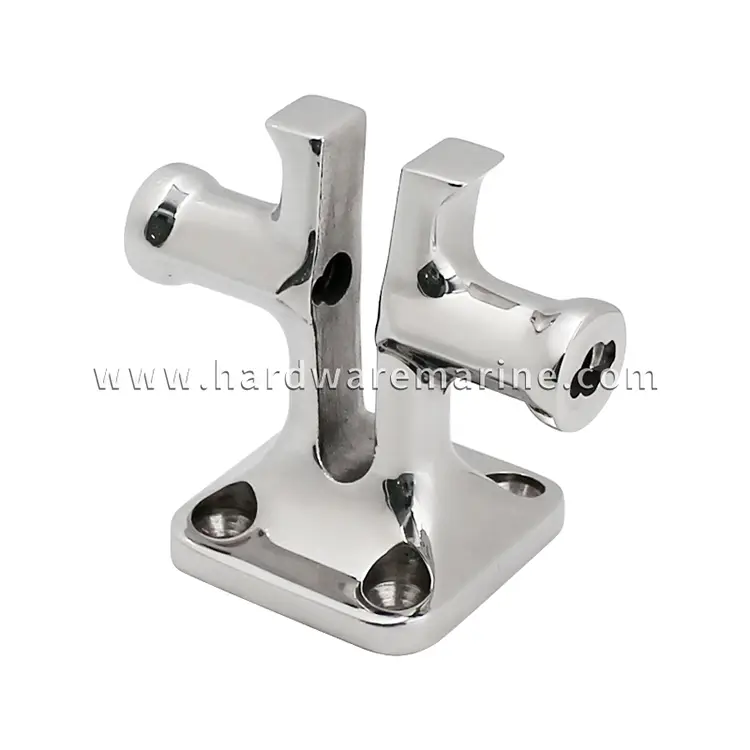
At the heart of this extraordinary product lies the material itself: 316 stainless steel, often revered as the pinnacle of marine-grade alloys. Unlike standard 304 stainless or coated carbon steel alternatives that gradually surrender to the sea’s corrosive embrace, 316 stainless steel incorporates molybdenum into its elemental matrix—typically 2 to 3 percent—which dramatically enhances its resistance to chlorides and halide-rich environments. This means the 316 Stainless Steel Marine Split Bollard does not merely survive in coastal and offshore conditions; it thrives, maintaining its structural integrity and aesthetic brilliance through years of relentless exposure. The split design further elevates the product into a class of its own. Traditional bollards often require complex welding or cumbersome through-bolting procedures that can introduce weak points, stress risers, and future corrosion sites. By intelligently separating the bollard into a robust base and a seamlessly fitting body, Shandong Power Industry and Trade Co., Ltd. has eliminated these vulnerabilities entirely. Installation becomes a straightforward yet immensely secure process: the stainless steel base plate is mounted to the deck or quay with bolts that are shielded from direct shear forces, and the main column is then locked into this foundation with a precision-engineered fastening mechanism. The result is an unbroken silhouette on the dock, free from unsightly weld beads or external fasteners that invite corrosion and weaken over time. This design philosophy extends beyond mere convenience; it reflects a proactive approach to long-term asset protection for any waterfront installation.
Consider the emotional landscape of a marina operator who has witnessed a lesser bollard fail during a squall. The sound of groaning metal, the sight of a cleat or post tearing free from its mounting, and the frantic scramble to save a drifting vessel are scenes that haunt the memory. The 316 Stainless Steel Marine Split Bollard transforms that anxiety into unwavering confidence. When you secure a superyacht or a commercial workboat to this bollard, you are not just tying off a line; you are anchoring your reputation, your peace of mind, and your financial investment to a piece of hardware that will not falter. The deep, substantial weight of the casting in your hands before installation conveys a tactile promise that words alone cannot capture. The polished surface, available in a brilliant mirror finish or a sophisticated brushed satin, reflects the surrounding water and sky, becoming an aesthetic enhancement to the dock rather than an industrial eyesore. Property developers crafting luxury waterfront estates find in this bollard a subtle but powerful statement of uncompromising standards. Fleet managers discover a drastic reduction in maintenance time and replacement costs. Every stakeholder, from the casual weekend sailor to the hardened port engineer, experiences a common benefit: the silent assurance that comes from Shandong Power Industry and Trade Co., Ltd.’s rigorous quality control and material selection.
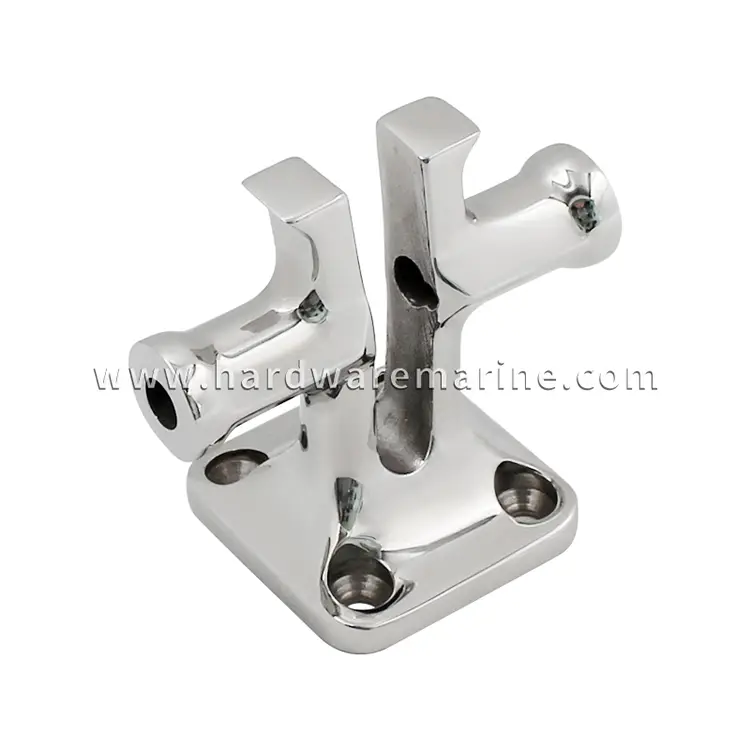
The scenes of use are as varied as the sea itself. Picture a misty morning in a working fishing harbor, where stout trawlers return laden with the ocean’s bounty. Their crews rely on robust mooring points that can handle sudden jerks and sustained tension as catches are unloaded and tides shift unpredictably. Here, the 316 Stainless Steel Marine Split Bollard shines with its formidable load ratings and fatigue resistance. Visualize a sun-drenched resort marina in the tropics, where gleaming white hulls of pleasure craft bob gently alongside floating docks. The bollards must not only hold fast during tropical storm warnings but also resist the bleaching effects of intense UV radiation and the constantly warm, saline water that accelerates corrosion in inferior metals. The molybdenum-rich chemistry of 316 stainless steel remains passive and protective under these brutal conditions, never succumbing to the reddish-brown tears of oxidation that stain fiberglass hulls and erode confidence. Imagine a remote research pier in the high latitudes, where ice accumulation and extreme temperature fluctuations challenge every component. The split bollard’s design allows for thermal expansion and contraction without creating microfractures, a subtle engineering advantage that prevents catastrophic brittle failure in deep cold. In all these scenarios, the common thread is the reputation of Shandong Power Industry and Trade Co., Ltd., a name that has become synonymous with marine hardware that exceeds expectations. The company’s commitment to traceable material sourcing and precision casting ensures that each bollard leaving the factory carries an invisible stamp of trust.
The durability of the 316 Stainless Steel Marine Split Bollard does not end with its corrosion resistance. The alloy’s high tensile strength, typically exceeding 515 megapascals, means that the bollard can withstand extraordinary pulling forces without permanent deformation. When a vessel with significant displacement is caught by a beam wind and surges against its lines, the load transferred to the bollard can spike dramatically, often beyond the static weight of the boat. Engineered to accommodate these dynamic forces, the bollard’s wall thickness in critical zones has been optimized through finite element analysis, a process where Shandong Power Industry and Trade Co., Ltd. leverages advanced computational modeling to identify stress concentrations and reinforce them during the casting stage. This is not simple trial-and-error metalwork; it is predictive engineering applied to ancient docking traditions. The split construction contributes to this strength by ensuring that the fasteners holding the bollard to the deck are isolated from the primary bending moments. Instead of bolts experiencing direct pull-out forces, they primarily clamp the base plate in shear and compression, a far more stable mechanical arrangement that maintains integrity even as seals or coatings on the hardware age. The maintenance crew that once spent weekends grinding away rust blooms and repainting corroded posts will discover a transformative sense of freedom. A simple freshwater rinse is often the only care required to keep these bollards looking as immaculate as the day they were installed, preserving the pristine environment that marina guests and marine enforcement agencies demand.
Beyond the technical specifications lies the human story—the pride of ownership and the subtle competition among dock owners to present the finest berthing facilities. Boaters share tales over VHF radios about which marinas have the best protection and the most reliable hardware. A dock equipped with the 316 Stainless Steel Marine Split Bollard becomes a point of recommendation, a silent credential that attracts discerning captains who recognize quality when they see it. The cool, smooth touch of the polished stainless steel on a summer morning, free from the jagged rust pockets that chafe expensive braided mooring lines, creates a sensory interaction that fosters loyalty. There is an unspoken trust that forms between a boat owner and their berth when they see the brand of Shandong Power Industry and Trade Co., Ltd. on the bollard. They know that behind that gleaming column is a supply chain dedicated to ethical material procurement, a foundry upholding rigorous ISO standards, and a design team that has iterated countless prototypes to perfect the split mechanism’s seamless interlock. This is the emotional dividend paid back every single day that the ocean tests the mooring and the mooring refuses to yield.
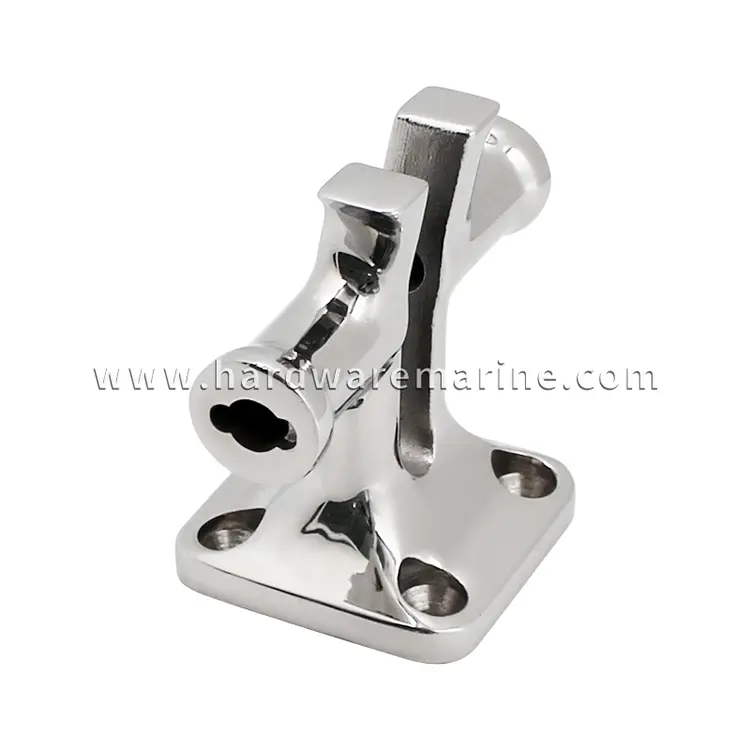
A common scenario that illustrates the value of this product involves the harsh reality of galvanic corrosion, a silent enemy that attacks when dissimilar metals are in contact in an electrolyte like seawater. A marina may have aluminum gangways, steel pilings, and bronze through-hulls, creating a complex electrical maze. A poorly chosen bollard can become an unwitting sacrificial anode, its surface erupting in pits that compromise its cross-sectional area. The 316 Stainless Steel Marine Split Bollard, with its carefully controlled alloy composition, sits comfortably in the noble range of the galvanic series when passivated, resisting this destructive battery effect. For marina operators who have puzzled over mysterious, rapid deterioration of hardware near electrical shore power systems or large metal structures, the upgrade to a high-nickel, high-molybdenum alloy is a revelation. Shandong Power Industry and Trade Co., Ltd. provides the documentation and traceability to confirm alloy composition, so specifiers can validate the material long before it ever touches the water. This transparency builds a bridge of confidence between the manufacturer and the end user, transforming a transactional purchase into a partnership for safe, enduring waterfront infrastructure.
The installation experience itself deserves exploration, for it is here that the split design truly demonstrates its genius. Conventional one-piece bollards often weigh over a hundred pounds and require cranes or multiple laborers to position precisely over bolt holes. Any misalignment results in a frustrating cycle of lifting, shifting, and redrilling that can damage deck waterproofing membranes. The 316 Stainless Steel Marine Split Bollard arrives as two manageable components. The base plate, relatively light and easy to maneuver, can be set perfectly in position, marked, and drilled without the awkward obstruction of a large vertical post. Sealant can be applied evenly under the base, and bolts torqued to specification with standard tools. Only then does the main body attach, aligning effortlessly onto the base with a guided coupling that hides its fasteners from the elements. This modular approach speeds up waterfront construction projects dramatically, reducing labor costs and the risk of on-site injury. For retrofits on existing docks where heavy equipment access is limited, the split bollard offers a solution that avoids expensive dock modifications. Shandong Power Industry and Trade Co., Ltd. has distilled the frustrations of marine contractors into an elegant, practical answer that keeps projects on schedule and budgets intact.
To further understand the engineering details, let us explore a structured view of the challenges commonly faced in mooring hardware and how this product systematically overcomes them. Marine environments punish metal in three primary modes: uniform corrosion, pitting corrosion, and stress corrosion cracking. Uniform corrosion occurs slowly in 316 stainless steel due to the formation of a chromium oxide passive layer, a barrier so thin it is invisible to the naked eye yet tenaciously resilient. Pitting corrosion, the more insidious enemy, is resisted by the molybdenum addition that stabilizes this passive film in chloride-rich water. Stress corrosion cracking, which can fracture stainless steels under tensile stress in hot chloride environments, is mitigated by the careful selection of low-carbon, 316L variants within the product line, reducing carbide precipitation during welding or thermal cycling. The split design eliminates welded joints at the most stressed junctions, thereby removing the heat-affected zones that are normally susceptible to this cracking. These scientific differentiators set the 316 Stainless Steel Marine Split Bollard apart from mass-market alternatives that cut corners on alloy purity and design complexity.
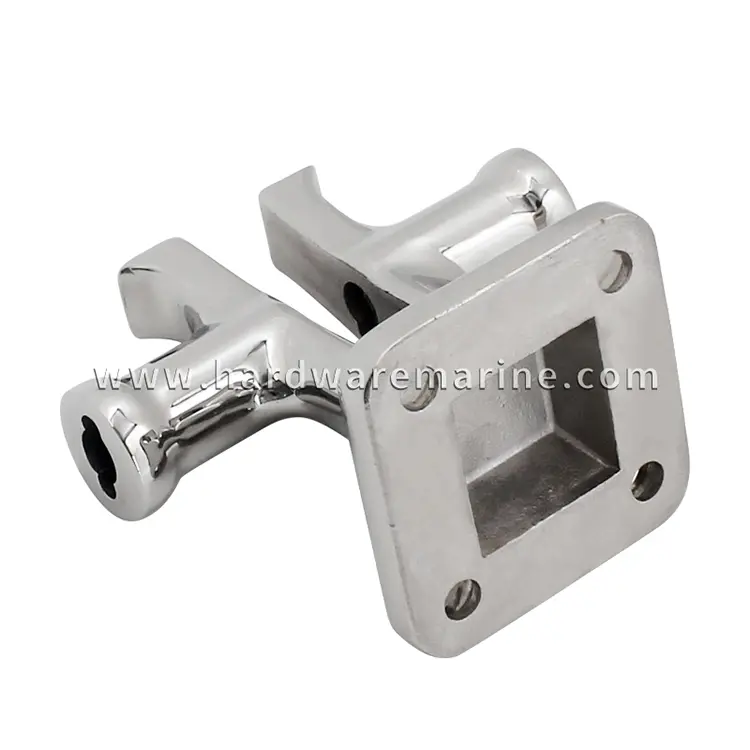
Consider the following parameters that define the performance envelope of this equipment. The product is available in multiple standard heights, commonly ranging from 12 inches to 36 inches, with custom dimensions offered through Shandong Power Industry and Trade Co., Ltd. for specialized industrial docks. Nominal working load limits are conservative, often rated between 10 and 50 tonnes depending on the model, with a safety factor of 5:1 relative to ultimate tensile failure. The base plate typically provides a square or round footprint with pre-drilled bolt holes arranged for uniform load distribution. The table of common specifications below provides a snapshot of the range available for different vessel sizes and dock configurations.
| Model | Height (in) | Base Plate (in) | Safe Working Load (tons) | Wall Thickness (in) |
|---|---|---|---|---|
| SPSB-1212 | 12 | 8 x 8 | 12 | 0.35 |
| SPSB-1820 | 18 | 10 x 10 | 20 | 0.43 |
| SPSB-2435 | 24 | 12 x 12 | 35 | 0.51 |
| SPSB-3650 | 36 | 14 x 14 | 50 | 0.63 |
These figures translate into real-world peace of mind. A 20-tonne safe working load on a bollard means that a vessel di好sing 200 tonnes can be safely moored in normal conditions without exceeding the design envelope, provided proper line angles and bridle configurations are employed. The engineers at Shandong Power Industry and Trade Co., Ltd. are always prepared to assist with load calculations for unusual berthing situations, ensuring that each installation meets both practical and regulatory safety margins. The full product range is supported by a suite of detailed technical drawings and installation manuals, allowing marine architects to incorporate these bollards seamlessly into new-build designs without guesswork.
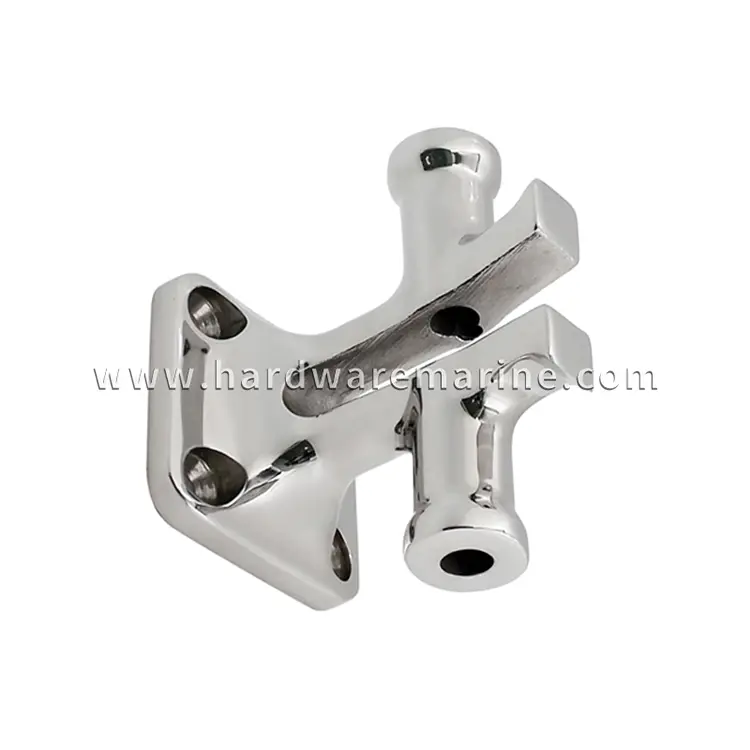
The individuals and organizations who will find this product indispensable include marina developers seeking durable, code-compliant mooring solutions that require no short-term repainting or replacement. Port authorities managing ferry terminals where thousands of passengers embark daily need hardware that never questions its duty cycle. Naval architects specifying hardware for custom yacht projects demand components that match the vessel’s aesthetic while exceeding class society standards for strength and corrosion resistance. Offshore wind farm support vessel operators require bollards that hold firm during crew transfers in rough sea states, where a slip or failure can have grave consequences. Commercial fishermen, whose livelihoods depend on gear that works without fail in the most hostile conditions on earth, represent some of the most discerning users. When these professionals, who have seen every conceivable dock hardware failure, begin to request a specific brand and model, word spreads quickly through the maritime grapevine. The 316 Stainless Steel Marine Split Bollard has earned such word-of-mouth respect, repeatedly proving that the initial investment translates to a lifetime of service rather than a recurring maintenance liability. Shandong Power Industry and Trade Co., Ltd. listens to these end users, continually refining subtle details like the edge radius of the horn to prevent chafe on modern synthetic lines that can be sensitive to sharp bends.
Examining the difference between this product and typical alternatives reveals a gulf in design philosophy. A common cast iron bollard, frequently painted for corrosion protection, will inevitably chip, exposing the ferrous metal to aggressive oxidation. Once rust begins, it swells and cracks the surrounding paint, accelerating the deterioration in a relentless cycle that demands annual sanding, priming, and repainting. Over five years, the cumulative maintenance cost and dock downtime can easily eclipse the purchase price of the original fitting. A basic 304 stainless bollard may retain its shine but can suffer from tea-staining and pitting in splash zones or tropical waters where chloride concentrations are perpetually high. The 316 Stainless Steel Marine Split Bollard eliminates these hidden costs entirely. Its passive layer reforms instantly if scratched, healing itself with ambient oxygen. Its split architecture permits replacement of a damaged post without disturbing the sealed base plate, a feature that traditional monocoque designs cannot offer. This modular repairability extends the service life indefinitely, aligning with sustainable practices that reduce waste and resource consumption over the decades-long lifespan of a marine terminal. Shandong Power Industry and Trade Co., Ltd. champions this long-view approach, offering component-level support instead of forcing complete unit replacements for minor damage.
The aesthetic dimension should not be underestimated. In luxury marinas, appearance directly influences slip fees and market perception. A row of identical, brilliantly polished 316 Stainless Steel Marine Split Bollards along a floating dock creates an image of pristine order and elite maintenance standards. The reflection of water and light off the bollard’s cylindrical surface enhances the visual appeal of the entire waterfront. Unlike painted alternatives that fade unevenly and show every scratch, the uniform metallic luster of properly passivated stainless steel ages with a grace that becomes more appealing over the years. For an architect or developer trying to achieve a certain visual cohesion in a waterfront project, this hardware becomes a design element in its own right, much like carefully selected lighting fixtures or deck materials. The subtle etchings or engravable surfaces on the base plate flanges can even be customized with the marina’s logo or slip numbers, a branding opportunity that Shandong Power Industry and Trade Co., Ltd. facilitates through precision laser engraving. This marriage of function, strength, and beauty is rare in industrial products, yet it defines the essence of what this bollard represents.
The environmental story is equally compelling. Marine ecosystems are under immense pressure from pollution, and the gradual leaching of heavy metals from corroded dock hardware contributes to this insidious burden. Inferior plated products flake zinc and chromium into the water column with every tidal cycle. The bio-inert nature of fully passivated 316 stainless steel means that the 316 Stainless Steel Marine Split Bollard interacts minimally with its surroundings, posing no toxicity risk to barnacles, mollusks, or fish that colonize the dock supports. Environmentally conscious marina developers and operators who pursue green certifications such as Clean Marina designations find that specifying high-grade stainless steel hardware supports their environmental management objectives. The longevity of the product also means fewer resources are expended over the lifecycle on manufacturing replacements, packaging, and freight, reducing the carbon footprint associated with dock maintenance. Shandong Power Industry and Trade Co., Ltd. incorporates these sustainability principles into their manufacturing processes, optimizing energy use in the foundry and recycling all scrap metal in a closed loop system.
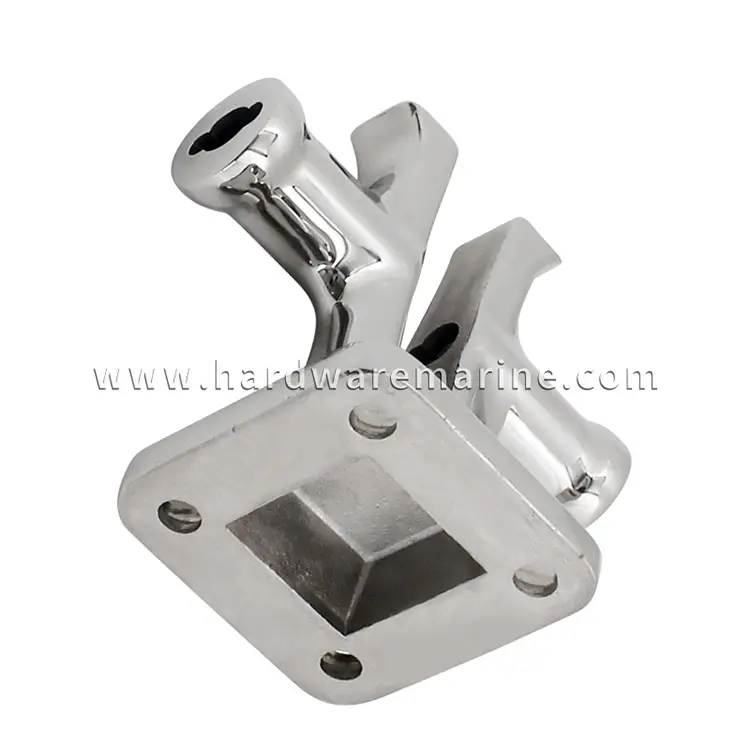
As the technical narrative deepens, questions naturally arise that reflect the practical concerns of those who purchase and install marine hardware. How does one verify the authenticity of the 316 stainless steel alloy? The answer lies in the material certifications provided by Shandong Power Industry and Trade Co., Ltd., which can include mill test reports that detail the chemical composition and mechanical properties of the specific heat of metal used in the casting. Portable X-ray fluorescence (XRF) testing can also be performed on the installed bollard to confirm the presence of molybdenum at the expected percentages. Another frequent inquiry revolves around the prevention of crevice corrosion beneath the base plate, a legitimate worry in any bolted stainless assembly exposed to water. The solution involves proper application of a marine-grade polysulfide or polyurethane sealant during installation, which excludes oxygen-depleted stagnant water from the interface. Detailed installation guidelines provided with each bollard walk the contractor through this simple but critical step, ensuring the full service life is realized. Questions regarding cold weather performance recur from operators in northern latitudes. The excellent low-temperature toughness of 316 stainless steel, which retains its ductility well below freezing, means that a sudden impact or overload is unlikely to result in a brittle fracture, unlike some carbon steels that experience a ductile-to-brittle transition. Shandong Power Industry and Trade Co., Ltd. has documentation confirming Charpy impact test values that should set northern operators at ease.
The matter of customizing mooring layouts leads to queries about the split bollard’s compatibility with different deck materials. Whether the substrate is reinforced concrete, tropical hardwood, or composite decking, the base plate design can be adapted with appropriate backing plates and fastener materials to prevent galvanic couples. The company provides technical support for specifying insulating gaskets or sleeves when mounting on highly cathodic substrates. Another common question concerns the long-term maintenance of the polished finish in sandy, abrasive environments. While the corrosion resistance is inherent to the alloy, occasional polishing with a proprietary stainless steel restoration product can remove any superficial scratches and restore a mirror shine instantly. The robustness of the material means that even deep abrasions that would compromise a coating on another product are merely cosmetic on the solid stainless bollard. There is no paint to peel, no anodizing to wear through, just solid, homogeneous metal that can be refinished by a competent metal polisher decades into its service life.
For those concerned with the upfront cost compared to basic alternatives, the total cost of ownership quickly validates the decision. A lifecycle analysis that factors in the initial purchase, the elimination of periodic painting or replacement, the avoided downtime during dock repairs, the potential liability from a mooring failure, and the enhanced property value paints a compelling financial picture. When Shandong Power Industry and Trade Co., Ltd. quotes a project, they are not just selling a casting; they are providing a guarantee of performance that extends to the day the marina is decommissioned, potentially half a century later. The weight of that peace of mind, quantified in sleepless nights averted during storms and maintenance dollars saved, tilts every spreadsheet decisively in favor of premium 316 stainless steel.
The careful packaging and global logistics support provided by Shandong Power Industry and Trade Co., Ltd. ensure that the 316 Stainless Steel Marine Split Bollard arrives in pristine condition regardless of destination. Protective wrappings, custom foams, and robust crating prevent the kind of cosmetic damage that can occur in transit, a level of care that speaks to the pride the company takes in delivering excellence. Whether you are ordering a dozen units for a new marina in Dubai or a single custom bollard for a private residence in the Maldives, the experience is consistent and professional. The company’s representatives are knowledgeable about international shipping regulations, customs documentation, and local building codes for marine structures, smoothing every step from inquiry to installation.
The story of this bollard is ultimately a story about trust. Trust in the physical hardware that stands between a vessel and the open sea, trust in the invisible molecular bonds of a superior alloy, and trust in the organizational integrity of Shandong Power Industry and Trade Co., Ltd. Every time a line is looped over the bollard’s curved top and brought back to a cleat, an ancient human ritual of securing a boat is completed. That ritual deserves to be supported by equipment that honors the history of seafaring while embracing the pinnacle of modern material science. The 316 Stainless Steel Marine Split Bollard stands as a testament to what happens when a company asks not “what meets spec?” but “what exceeds expectation?” The mirror-smooth surface you see on the dock is just the outward sign of an inner perfection that runs through every crystal grain of the metal. It is a beacon of durability, a sculpture of safety, and a workhorse of the waterfront, ready to bear the loads and weather the storms for generations yet to come.