
Marine Anchor,Boat Bollard,Thru-Hull,Boat Cleat,Boat Seat,R&D Customized Marine Products,Seawater Strainers,Pull Rings,Marine Steering Wheel,Deck Filler,Pipe Stanchion,Hinge,BIMINI Fitting,Bow Chock,Boat Anchor Roller,Marine Ladder,Fishing Rod Holder,Deck Plate,Antenna Base,Cockpit Drain,Turning Lock,OEM/ODM Marine Hardware,Chain Stopper,Anchor Connector,Tank Vent,Boat Anchor,Copper Plated Marine Hardware,Brass Bronze Parts,Anchor Chain


Picture yourself at the helm on a crisp morning, the marina calm and the water shimmering under a pale sun. You reach for a mooring line and in one fluid motion press down on a sleek fitting flush with your deck. It rises smoothly, locks into place, and accepts the rope without hesitation. That moment of quiet efficiency comes from a piece of hardware you barely notice when it’s stowed—a 316 Stainless Steel Marine Boat Auto Pop Up Cleat. Crafted with precision and distributed by Shandong Power Industry and Trade Co., Ltd., this cleat transforms routine docking into a seamless ritual, blending rugged strength with an elegance that belongs on every serious vessel. It is not just a tool; it is an upgrade to the way you interact with the sea.
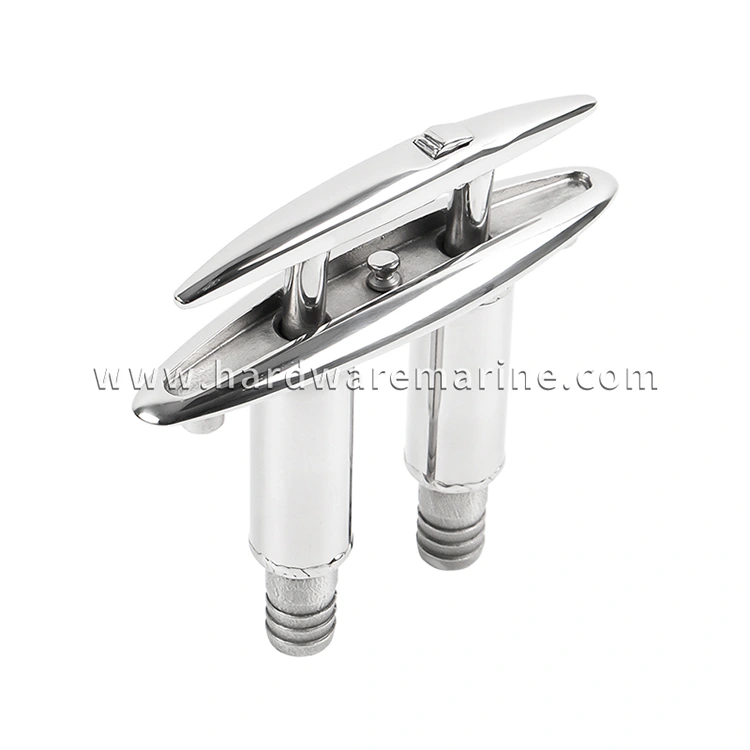
The marine environment demands gear that can handle relentless abuse. Salt spray gnaws at inferior metals, UV rays bake plastic components brittle, and the constant motion of waves stresses every attachment point. A cleat that corrodes or jams becomes a liability, turning a simple tie-up into a frustrating struggle. Recognizing this, Shandong Power Industry and Trade Co., Ltd. brings to the market a solution engineered with the highest grade of stainless steel available for marine applications. The 316 stainless steel used here is not a marketing gimmick; it is a metallurgical shield. With a composition rich in chromium, nickel, and molybdenum, this alloy resists pitting and crevice corrosion even in chloride-heavy waters. Whether you navigate tropical lagoons or northern fiords, the cleat maintains its structural integrity and mirror-like finish year after year.
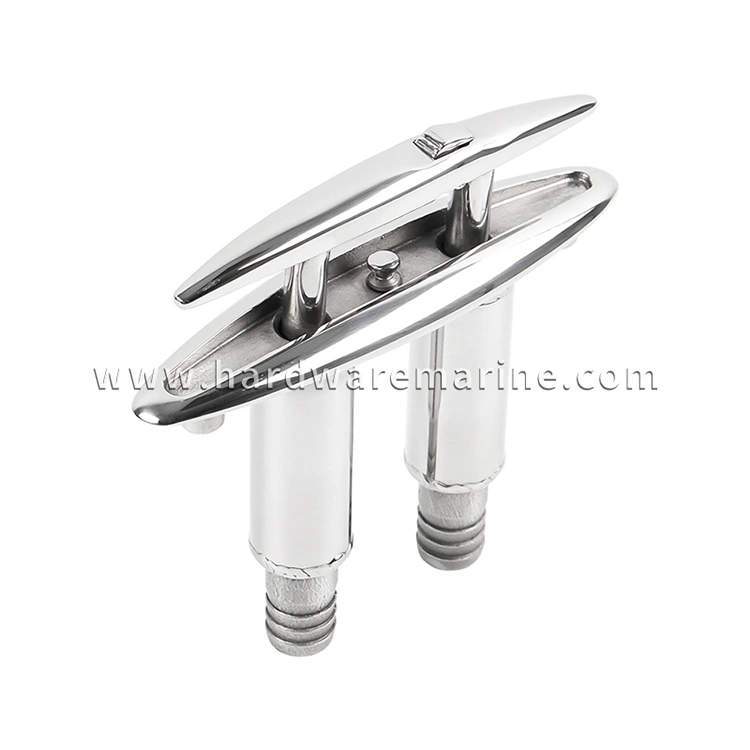
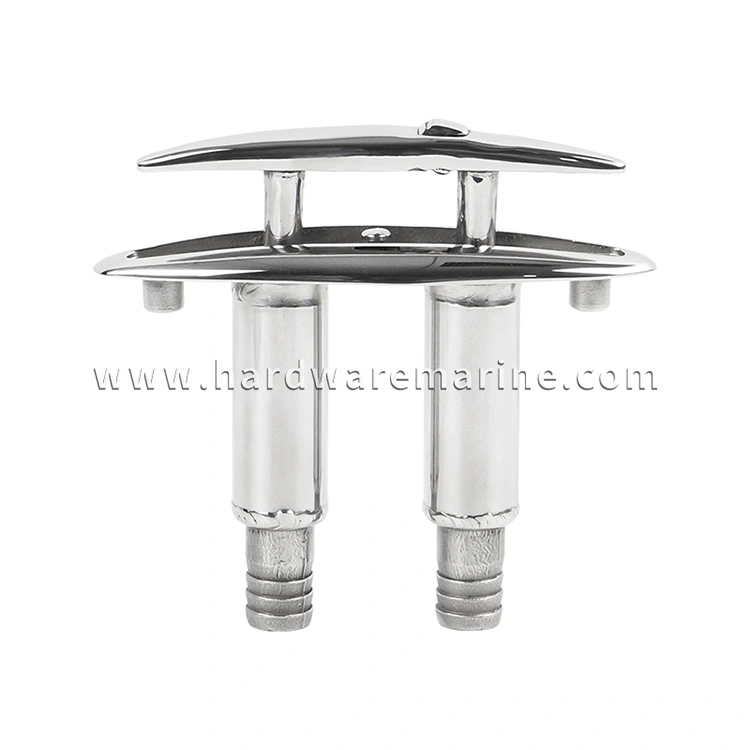
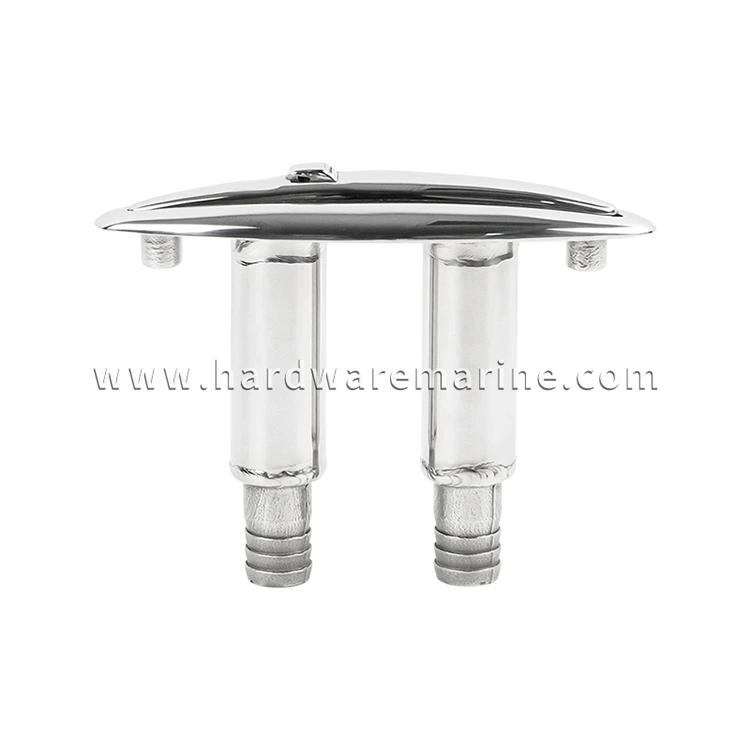
When you examine the cleat closely, you notice details that speak to a deep understanding of life on the water. The pop-up mechanism operates with a spring-loaded precision that feels reassuringly solid. Push the top with your foot or palm and the horns rise instantly, providing two stout bollards for lines. Press again and they retract flush, restoring a clean deck free of snagging hazards. This dual personality—hidden when not needed, prominent when called upon—keeps your boat looking uncluttered and modern. It also protects bare feet and expensive fishing gear from accidental trips and tangles. The internal components are sealed against water ingress, and the entire assembly installs through a simple cutout with a backing plate that spreads loads over a wide area.
Beyond the mechanical elegance, the function of this cleat extends across a range of scenarios. Dock hands will appreciate how quickly they can make fast a spring line without hunting for a fixed obstruction. Kayakers and paddleboarders using a mothership will find the retractable design eliminates the bruised shins that traditional cleats often cause. Anglers chasing pelagic species can rely on the cleat to hold fast under the sudden jolt of a trolling strike, provided the backing is mounted to proper structure. Even cruising families gain peace of mind knowing that children can run across the foredeck without tripping over a metal protrusion. This is hardware that adapts to the rhythms of diverse boating lifestyles.
The aesthetic dimension deserves its own spotlight. In an age where boat builders and restorers obsess over every curve and reflection, the jewelry-like polish of 316 stainless steel adds a layer of sophistication. It catches sunlight during golden hour and gleams under dock lights after dusk. Unlike painted or coated alternatives that peel and flake, the surface is homogeneous. A quick wipe with a microfiber cloth removes water spots and maintains the luster. The round, low-profile bezel integrates smoothly with gelcoat, teak decking, or aluminum hull plates. Designers at Shandong Power Industry and Trade Co., Ltd. have paid attention to visual balance, ensuring the cleat looks equally at home on a classic sailing yacht as on a high-speed center console.
To understand how this product outperforms standard cleats, let us walk through a typical docking scenario. A skipper approaches a crowded fuel dock with a crosswind pushing the bow away. The crew must secure a line swiftly to prevent drift. Fixed cleats might be located too far forward or aft, forcing an awkward reach. An auto pop-up cleat placed exactly where needed eliminates this scramble. The crew member simply presses the flush cover, the horns pop up, and the line is made fast in seconds. The load rating of the cleat exceeds the demands of most recreational boats, and the 316 material ensures that even if the line chafes under tension, the cleat surface remains smooth without developing razor-sharp grooves.
Durability testing conducted on these units reveals impressive numbers. In controlled salt-spray chambers, 316 stainless steel shows negligible corrosion after hundreds of hours, while lower grades like 304 begin to show pits early on. The spring mechanism is rated for tens of thousands of cycles without loss of tension. A robust drainage path prevents standing water from accumulating inside the housing. These engineering choices translate into decades of service in the real world, reducing the total cost of ownership dramatically when compared to cheaper cleats that require replacement every few seasons.
| Specification | Details | Benefit |
|---|---|---|
| Body Material | 316 Stainless Steel (Molybdenum-alloyed) | Exceptional corrosion resistance in saltwater |
| Finish | Mirror-polished | Easy to clean, luxurious appearance |
| Operation | Push-to-pop, push-to-retract | Flush deck when stowed, instant deployment |
| Load Capacity | Engineered for high tensile loads (varies by size) | Confident mooring under stress |
| Installation | Through-deck with backing plate | Distributes pressure evenly, prevents pull-out |
| Sealing | Internal gasket and drainage path | Prevents moisture damage to internal spring |
Who truly benefits from this cleat? The answer spans a broad spectrum. Boat builders searching for OEM hardware that impresses buyers will find the pop-up design a compelling upgrade over standard cast cleats. Marine refitters working on vintage cruisers can modernize deck layouts without compromising classic aesthetics. Fishing guides who operate day in and day out need gear that reduces client injuries and operates flawlessly when a trophy fish runs. Families who weekend on pontoon boats desire a safe, clutter-free environment where toddlers can toddle without consequence. Even commercial operators of small ferries and water taxis recognize that efficient line handling speeds up turnaround times at the dock, directly impacting the bottom line.
The installation process reveals another facet of thoughtful design. The template provided ensures accurate cutouts, while the included fasteners are also crafted from 316 stainless to eliminate galvanic corrosion. A generous flange hides minor imperfections in the deck cut. Once mounted, the cleat sits nearly invisible, a secret feature awaiting activation. The tactile feedback of the mechanism communicates quality—there is a crispness to the click, a steadiness in the rise. It feels engineered rather than assembled, a sensation that owners of high-end vessels instinctively appreciate.
A closer look at the internal spring assembly shows why dependability defines this product. The spring is made from marine-grade stainless steel wire, treated to resist fatigue. It is housed in a chamber that channels any incidental moisture out through a weep hole. The moving parts are machined to close tolerances, minimizing wobble even under side loads. Shandong Power Industry and Trade Co., Ltd. tests each production batch rigorously, simulating years of use in accelerated cycles. This commitment to reliability means the cleat will not freeze up at a critical moment—an assurance that seasoned mariners hold sacred.
Consider the emotional dimension of owning such equipment. There is a quiet pride that comes from knowing your boat is outfitted with the best. Docking becomes less anxious, anchoring less hurried. You find yourself volunteering to handle lines because the gear feels so satisfying to use. Passengers comment on the sleek look, and you explain the pop-up function with a hint of a smile. This cleat fosters a deeper connection to the craft of boating, turning utilitarian tasks into moments of pleasure.
Comparisons with competing products clarify the value proposition. Many pop-up cleats on the market use 304 stainless or chromed zinc alloys. These materials initially shine but soon develop rust spots, especially around welds and crevices. The Shandong Power Industry and Trade Co., Ltd. cleat made from genuine 316 stainless refuses to follow that path. Its composition includes approximately 16% chromium, 10% nickel, and 2% molybdenum—a formula proven in chemical processing plants and oceanographic equipment. This metallurgical pedigree translates directly into longer life and sustained performance. Additionally, some designs rely on plastic bushings that degrade under UV exposure; here, the internal guides are metal, preserving alignment indefinitely.
The aesthetic flexibility cannot be overstated. Available in multiple sizes to suit everything from lightweight tenders to heavy trawlers, the cleat integrates with various deck styles. On a sleek carbon-fiber runabout, it underscores a minimalist ethos. On a traditional wooden cruiser, the contrasting polish against varnished mahogany creates a timeless maritime tableau. The uninterrupted deck surface when retracted also simplifies cleaning—no scrubbing around protruding ears—and reduces the chances of dock lines snagging unexpectedly during casting off.
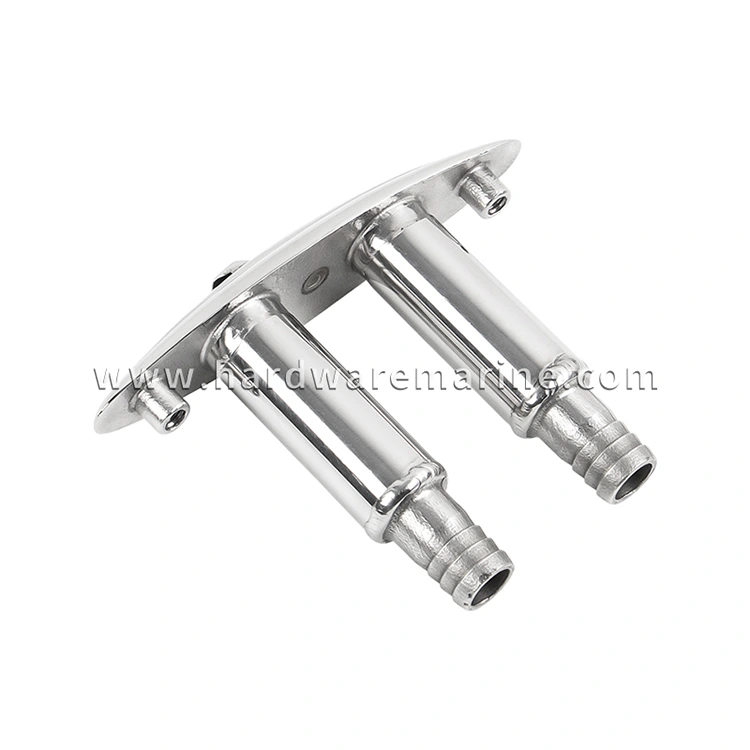
Maintenance routines are refreshingly simple. A periodic rinse with fresh water removes salt residues that could eventually stain even 316 steel over prolonged exposure in tropical heat. The moving parts require no lubrication because the material pairings are selected to be self-lubricating in a marine context. If a boat is stored on a trailer or dry rack, the retracted position keeps the cleat protected from accidental bumps during transit. Owners report that after seasons of hard use, the cleat retains its original smooth action and brilliance, a testament to the quality ingrained by Shandong Power Industry and Trade Co., Ltd.
The synergy between this cleat and modern navigation practices is worth exploring. With the rise of joystick docking systems and advanced autopilots, line handling remains a tactile human task. Having hardware that responds instantly to human input without requiring tools or excessive force maintains the human-machine harmony that defines enjoyable boating. The auto pop-up feature is also helpful when wearing gloves, as no fine dexterity is needed—just a firm press from any angle to deploy the horns.
Safety implications extend beyond avoiding stubbed toes. When lines are secured to a properly mounted 316 stainless cleat, the risk of sudden failure under load diminishes substantially. The engineering behind the backing plate ensures the cleat does not become a projectile if stressed beyond its rated limit; instead, the structure yields gradually, giving warning signs. For offshore passages where conditions can shift from calm to raging without notice, this reliability is a cornerstone of seamanship. Crew can trust that their bitter end will hold, allowing them to focus on helm control and lookout duties.
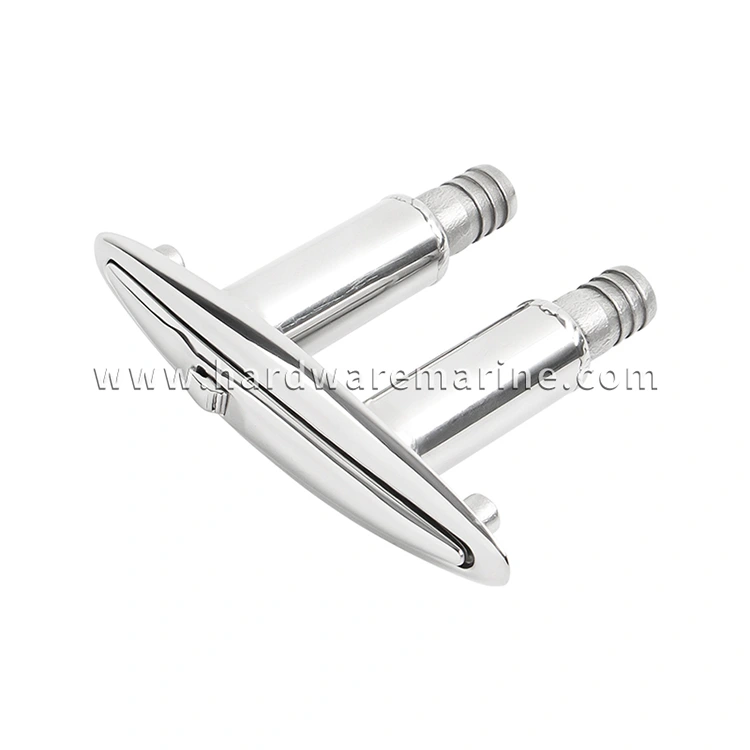
The procurement experience with Shandong Power Industry and Trade Co., Ltd. adds another layer of confidence. As a company deeply rooted in industrial and marine supply chains, they understand the importance of consistent quality and timely delivery. Every cleat shipped undergoes inspection for surface defects, dimensional accuracy, and mechanical function. Packaging is designed to prevent scratches during transit, and labeling includes clear handling instructions. For bulk orders destined for boatyards or retail shelves, custom specifications can be discussed, reflecting the manufacturer's flexibility and customer-centric approach.
Stories from the water bring the product to life. A solo sailor crossing the Pacific relied on these cleats to manage his Jordan Series drogue lines through a gale. The consistent pop-up action never failed, even when his hands were numb with cold. A bay fishing guide replaced all his old cleats after a client gashed a leg on a rusty horn; the switch to retractable stainless units eliminated the hazard and drew compliments. A family on a Great Loop adventure discovered that the flush deck made their small trawler feel more spacious and easier to navigate when locking through canals. These real-world experiences underscore the practical magic of thoughtful hardware.
The environmental case also supports choosing this product. Because 316 stainless steel is fully recyclable at the end of its long service life, it aligns with a growing ethos of sustainability in boating. The durability means fewer replacements are manufactured, reducing resource consumption over time. Shandong Power Industry and Trade Co., Ltd. operates with a mindfulness toward waste reduction, ensuring that production scrap is repurposed. For eco-conscious boaters, this adds a subtle but meaningful dimension to their purchasing decision.
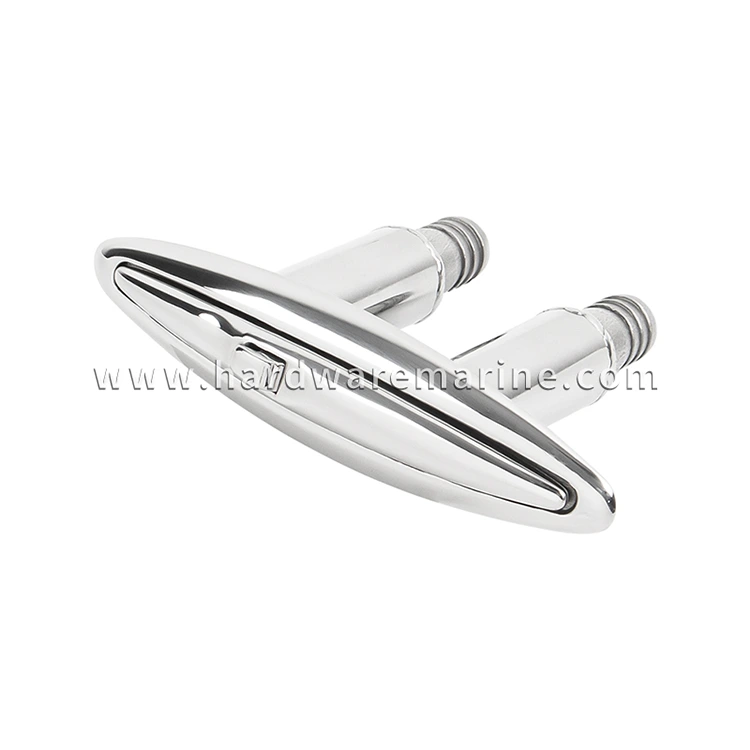
Looking deeper into the engineering specifics, the pop-up mechanism avoids the complexity that plagues some competing designs. There are no electric motors, no hydraulic lines—just physics and precision machining. This simplicity is a virtue on the water, where salt, moisture, and vibration conspire against complicated systems. The cleat can be disassembled with basic tools for a thorough cleaning if ever needed, though most users will never find it necessary. The backing plate includes elongated holes that accommodate minor misalignment during installation, a practical concession to the reality of boat building where perfect precision is often elusive.
For those who relish technical details, the exact alloy composition provides a fascinating study. The addition of molybdenum to the standard chromium-nickel matrix of stainless steel dramatically enhances resistance to chlorides. This is why 316 is specified for marine hardware used below the waterline or in splash zones. Even when exposed to the acidic compounds found in bird droppings or polluted marina water, the passive layer of chromium oxide that forms on the surface remains intact. Regular rinsing combined with the alloy's inherent properties creates a virtually corrosion-proof component.
The tactile experience of using the cleat is best described as therapeutic. The weight of the metal feels substantial in the hand when installing. The smooth polish invites touch. When you depress the top with your thumb and feel the horns snap into place, there is a microsecond of deliberate resistance followed by a satisfying lock. This haptic feedback confirms that the cleat is ready for duty. Retracting it after casting off feels equally gratifying—a clean slate for the next leg of the journey.
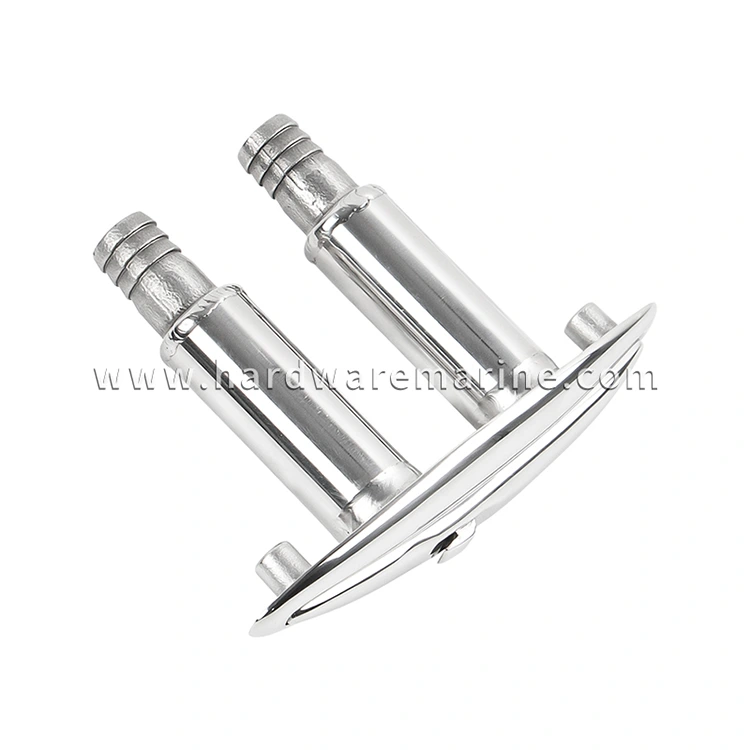
Integrating the cleat into a boat's systems is straightforward. The mounting location should be chosen based on typical line angles and accessibility. For spring lines, placing pop-up cleats amidships allows quick adjustment. For bow and stern lines, the cleats complement existing fairleads. The load path should be considered: the backing plate must bear against a solid laminate or reinforced core. Many installers add a bedding compound under the flange for a watertight seal, though the integrated gasket often suffices. The result is a permanent fixture that feels as though it was always part of the vessel.
Vibration resistance is another subtle strength. The internal spring keeps the retracted horns under slight tension, preventing rattling when the boat is underway in choppy conditions. The tight tolerances of the machined housing mean no slop develops over time. On planing hulls that subject hardware to intense high-frequency vibration, this cleat stays quiet and secure. This attention to NVH (noise, vibration, harshness) details sets it apart from generic alternatives that may buzz or loosen.
The following addresses common questions that arise when boaters consider upgrading their cleats:
How does the auto pop-up mechanism handle salt and sand buildup?
The tight clearances and polished surfaces resist adhesion, and the drainage path flushes out fine debris with each rinse. In extreme fouling conditions, a brief soak with fresh water and a gentle cycling of the mechanism dislodges particles without damage.
What sizes are available and how do I select the right one?
Sizes range from compact units suitable for kayaks and small tenders to robust variants for cruisers and sportfishers. Selection depends on line diameter, anticipated loads, and deck thickness. Providing your boat specifications to the supplier allows them to recommend the optimal model.
Will the stainless steel cause galvanic corrosion with my aluminum hull?
When properly isolated with a non-conductive gasket or bedding compound and combined with active anodes, the risk is negligible. The 316 alloy is close to aluminum on the galvanic scale compared to other metals, and millions of boats use stainless hardware on aluminum structures without issue.
Can the cleat be painted or coated to match my deck color?
Painting is not recommended because coatings may chip and compromise the corrosion resistance. The polished finish complements virtually any color scheme. If a specific hue is essential, sourcing a custom powder-coated version through Shandong Power Industry and Trade Co., Ltd. can be explored.
How does installation differ from a standard fixed cleat?
The primary difference is the requirement for a precise round cutout rather than two simple bolt holes. A provided template guides the process. Fastening is accomplished with a backing plate underneath the deck, which increases bearing area and strength compared to many surface-mounted cleats.
What if the spring eventually weakens?
The spring is designed for exceptionally long life and is rated for far more cycles than typical usage demands. In the rare event of degradation, the cleat can be serviced by replacing the spring cartridge. The modular design supports field maintenance without removing the entire housing.
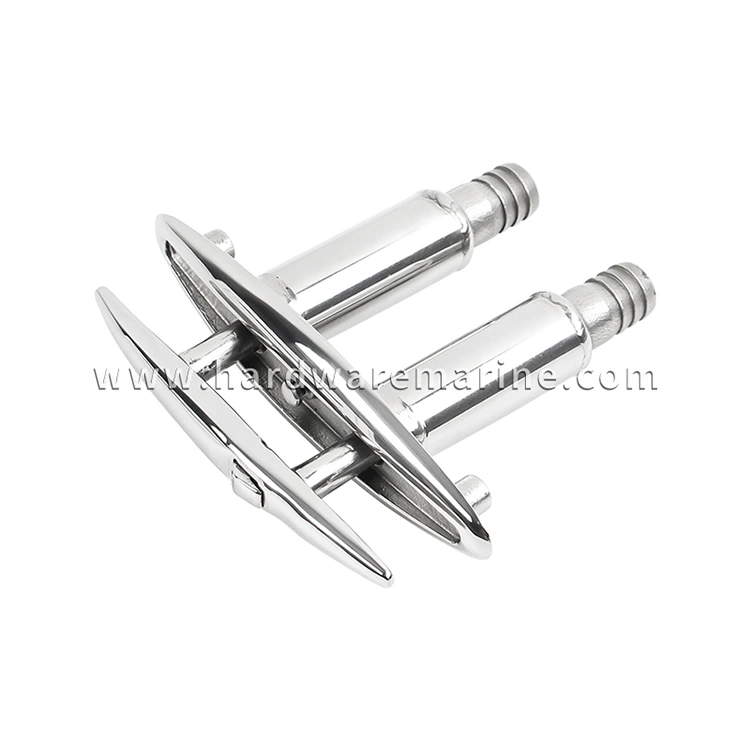
The economic angle further justifies the investment. While the initial purchase price of a 316 stainless marine auto pop-up cleat exceeds that of a basic cast aluminum cleat, the total lifespan cost is far lower. Boat owners avoid the recurring expense and labor of replacing corroded hardware. Resale value of a vessel equipped with premium fittings also receives a boost, as knowledgeable buyers recognize the difference. In a market where quality marine hardware is a key selling point, this cleat serves as a badge of thoughtful ownership.
The brand behind the product, Shandong Power Industry and Trade Co., Ltd., maintains a reputation for industrial integrity. Their manufacturing processes adhere to recognized standards, and material certifications are available upon request. This transparency is invaluable for professional installers and surveyors who require documentation. The company’s global logistics network ensures that customers from Miami to Sydney receive their orders with minimal delay, supported by responsive communication.
As boating culture continues to evolve toward cleaner designs and multifunctional spaces, the auto pop-up cleat aligns perfectly with contemporary trends. It supports the minimalist look while delivering uncompromised function. It encourages safer decks for social gatherings. It simplifies the work of docking, which remains one of the most stressful aspects of boating for many. By choosing this cleat, you are not merely buying a piece of hardware; you are investing in a philosophy of purposeful design and lasting quality.
The gloss of the polished horn as it rises from the deck mirrors the glint of sunlight on water. It is a small detail, repeated across countless boats, that accumulates into a seamless experience of control and beauty. From the drawing board to the foundry to the installation template, every step has been considered with the end user in mind. The sea will test everything relentlessly, and this cleat stands ready for that test, day after day, tide after tide.
Owners who have made the switch often speak of a subtle transformation. Their boat feels more modern, more capable. They notice the absence of nagging worries about rust streaks on the gelcoat or wobbling hardware under load. They develop a quiet confidence in their equipment that allows them to focus on the pleasures of navigation, fishing, or simply being on the water. That shift in mindset, intangible yet real, is the ultimate deliverable of a well-engineered product.
In the end, the 316 Stainless Steel Marine Boat Auto Pop Up Cleat represents a convergence of material science, ergonomic design, and aesthetic grace. Distributed with pride by Shandong Power Industry and Trade Co., Ltd., it embodies a commitment to excellence that discerning boaters recognize and appreciate. Whether outfitting a new build or refurbishing a beloved classic, you are equipping your vessel with a component that will serve faithfully and look stunning while doing so. The next time you step aboard and press that flush disc, feel the mechanism engage and know that the simplest actions can be elevated into something remarkable through integrity of design.


