Marine Anchor,Boat Bollard,Thru-Hull,Boat Cleat,Boat Seat,R&D Customized Marine Products,Seawater Strainers,Pull Rings,Marine Steering Wheel,Deck Filler,Pipe Stanchion,Hinge,BIMINI Fitting,Bow Chock,Boat Anchor Roller,Marine Ladder,Fishing Rod Holder,Deck Plate,Antenna Base,Cockpit Drain,Turning Lock,OEM/ODM Marine Hardware,Chain Stopper,Anchor Connector,Tank Vent,Boat Anchor,Copper Plated Marine Hardware,Brass Bronze Parts,Anchor Chain


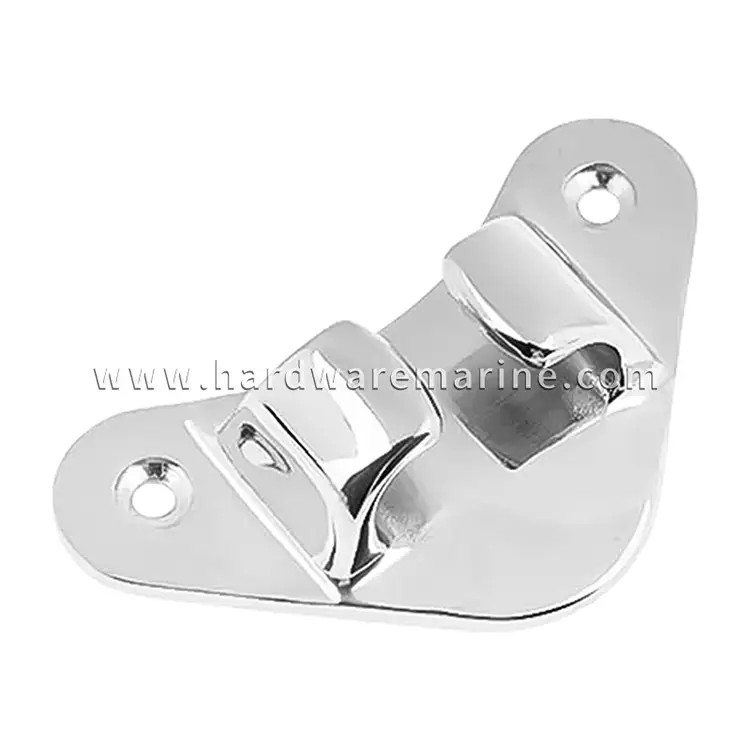
The sun dips low over the marina, painting the water in shades of copper and gold. A seasoned skipper stands on the foredeck, one hand resting on the stainless bow rail, the other guiding a thick docking line through a precision-cast chock. The line slides into the angled groove without resistance, settling into a perfect fairlead. There is no squeak of strained metal, no sign of chafe on the rope, only the quiet confidence of a mooring solution engineered to thrive in the harshest saltwater environments. This is the daily reality for those who trust their vessel to a pair of 316 Stainless Steel Marine Angled Bow Chocks—hardware that seamlessly blends unyielding strength with thoughtful nautical design.
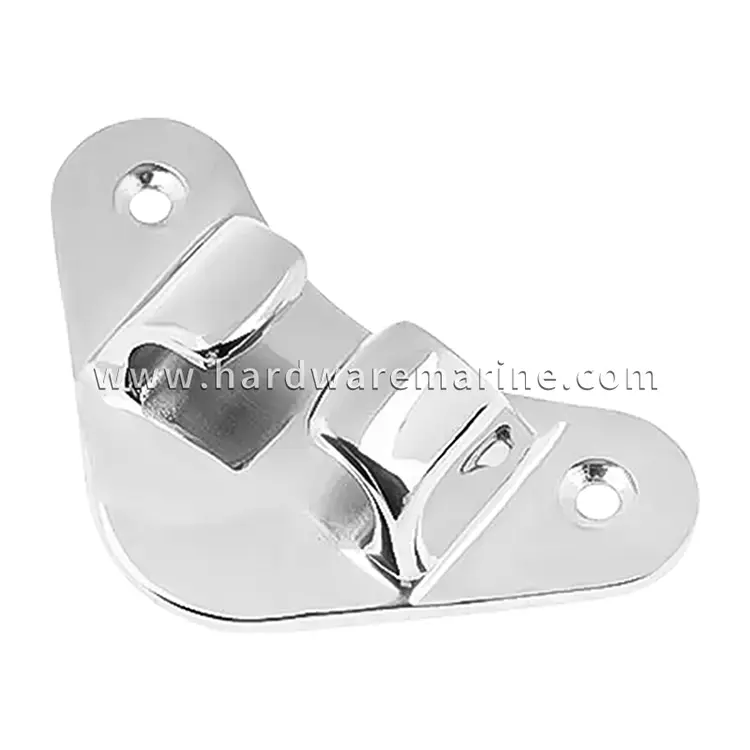
 316 Stainless Steel Marine Angled Bow Chocks installed on a boat bow" style="max-width:100%; margin: 30px 0; display: block; border-radius: 4px;">
For anyone who has wrestled with substandard deck hardware, the difference is immediately tangible. The moment you make fast a warp in a true 316 stainless fitting, there is a reassuring solidity that tells you the days of rust blooms and sudden failures are over. These angled bow chocks, crafted with marine-grade precision, transform a mundane docking routine into an act of preservation—preserving your vessel, your lines, and your peace of mind. But the story runs deeper than first impressions. Behind the mirror finish lies a careful synthesis of metallurgy, geometry, and sailing heritage that deserves to be explored.
Bow chocks are often the most underrated fittings on a boat. They absorb lateral forces, guide mooring lines at sharp angles, and face constant assault from UV radiation, salt spray, and dynamic loads. A poorly chosen chock can saw through expensive double-braid line, deform under pressure, or invite galvanic corrosion that spreads to adjacent hardware. The 316 Stainless Steel Marine Angled Bow Chocks address every one of these pain points head-on, not with marketing fluff but with tangible material science.
The secret starts with the alloy itself. Surgical-grade 316 stainless steel contains molybdenum, an element that dramatically enhances resistance to chloride pitting. In contrast to common 304 stainless, which can start to show tea-staining after a season in tropical waters, 316 retains its luster and structural integrity year after year. This is the same class of material found in pharmaceutical equipment and offshore oil rigs. When shaped into a marine bow chock, it becomes your vessel's first line of defense against the corrosive appetite of the ocean.
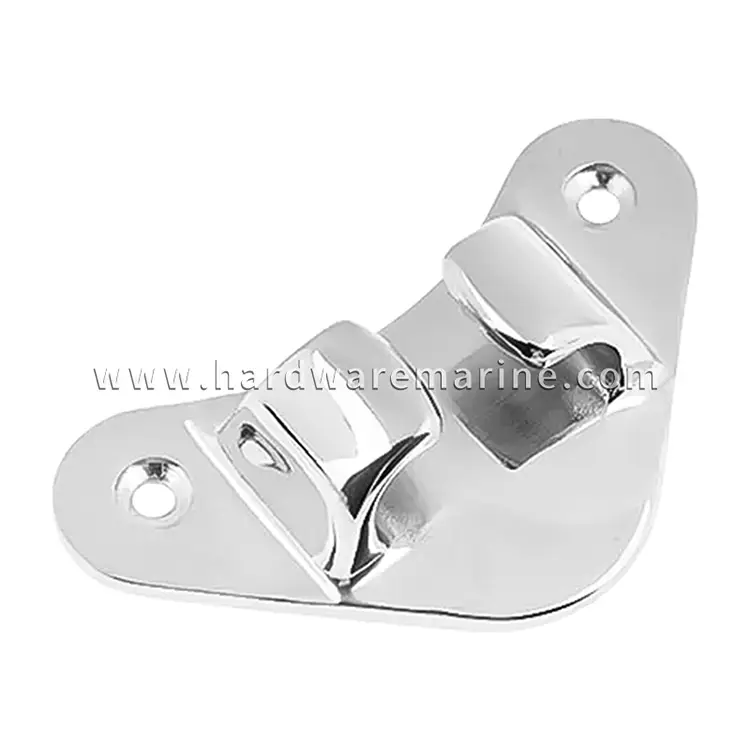
Why angled? Traditional straight chocks force the mooring line into an unnatural path, creating high-friction hot spots that wear through jackets and weaken load-bearing cores. An angled bow chock aligns the fairlead opening with the natural run of the line—whether it heads to a cleat on the deck, a bollard on the dock, or a snubber on the anchor rode. This subtle incline, often around 30 to 45 degrees, reduces bending stress and diminishes the sawing action that can cut a line within hours during a blow.
Think about a night at anchor when the wind suddenly veers. The boat tugs and yaws, the line surging through the chock. With a poorly designed fitting, each cycle abrades the rope against a sharp edge. With our angled design, the line glides through a polished, flared lip that spreads the load evenly. The result is gentler treatment of your dock lines and anchor rodes, which means longer service intervals and fewer mid-season replacements. That is the practical benefit of intelligent nautical design.
Moreover, the angled profile allows the chock to be mounted on sloped bow surfaces—common on modern powerboats and sailboats with a pronounced sheer—without the chock digging into the gelcoat or requiring unsightly fairing blocks. The base plate sits flush, maintaining the sleek lines of your vessel while delivering robust functionality.
Behind every reliable piece of marine hardware is a demanding set of specifications. We believe in transparency, so here is exactly what goes into the 316 Stainless Steel Marine Angled Bow Chocks:
| Specification | Detail |
|---|---|
| Material | AISI 316L Marine Grade Stainless Steel |
| Composition | Fe/Cr18/Ni10/Mo3; Carbon ≤ 0.03% |
| Finish | Electro-polished mirror finish for maximum corrosion resistance |
| Available Sizes | 5" x 2-1/2", 6" x 3", 8" x 4" (length x opening width) |
| Working Load Limit (WLL) | Up to 5,500 lbs (2,500 kg) depending on size and mounting method |
| Angle of Chock Groove | 35° optimal lead angle, flared entry and exit |
| Mounting | Through-bolted with counter-sunk holes for M8 or M10 flat-head screws (included) |
| Weight | Ranges from 1.2 lb (0.54 kg) to 3.8 lb (1.7 kg) per chock |
| Corrosion Resistance Rating | Suitable for continuous immersion in seawater (PREN ≥ 25) |
| Certifications | NMMA, ABYC H-40 compliant; material traceability per ASTM A240 |
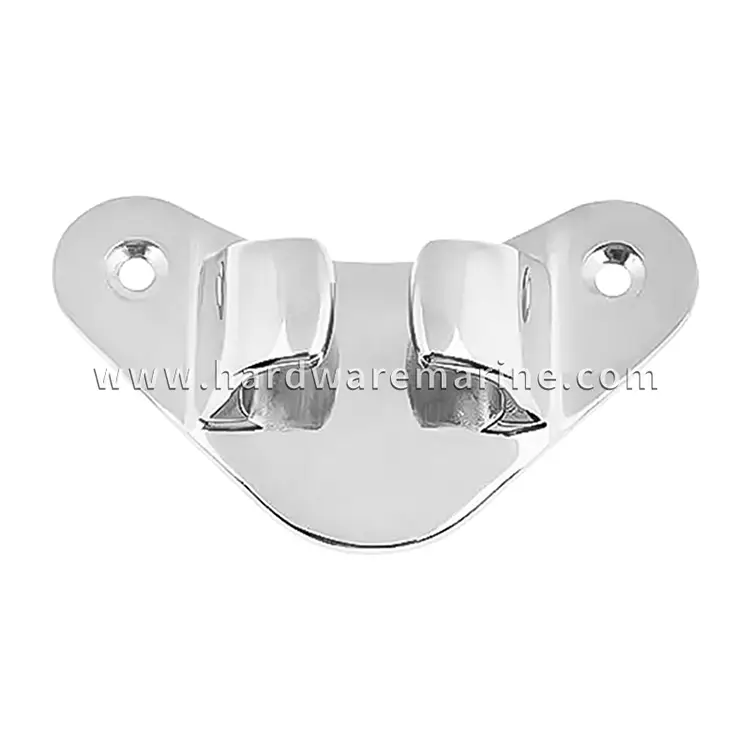
These numbers tell a story of capability. The low carbon content (L version) minimizes the risk of carbide precipitation during welding, though most installations rely on bolting. The electro-polished finish isn't just for show; it removes microscopic surface imperfections where chlorides could initiate pitting. And the load limit, when properly backed with large-diameter washers or a backing plate, easily handles the surge loads of a 40-foot cruiser in a squall. It is this convergence of responsible engineering and real-world testing that sets the product apart.
Let's paint a few scenes. Dawn breaks over the anchorage at Crab Cay. The owner of a 38-foot catamaran eases forward to retrieve a stern hook. The port bow chock guides the snubber line smoothly as the windlass takes up the slack, never once pinching or binding. Later that afternoon, a sportfisherman backs into a tight slip at a fuel dock. The deckhand drops a spring line over the angled chock, which instantly redirects the pull to the midship cleat, helping pivot the boat effortlessly. In both cases, the silent hero is a meticulously polished piece of stainless steel that performs without fanfare.
For the cruising sailor who anchors out 200 nights a year, the chocks become part of the nightly ritual. After setting the hook, they lead the bridle through the bow chocks and back to the cleats. The wide, flared opening prevents the bridle's eye splice from jamming, and the polished interior allows the line to self-center. A well-designed chock means the difference between a restful sleep and an anxious night listening to groaning hardware.
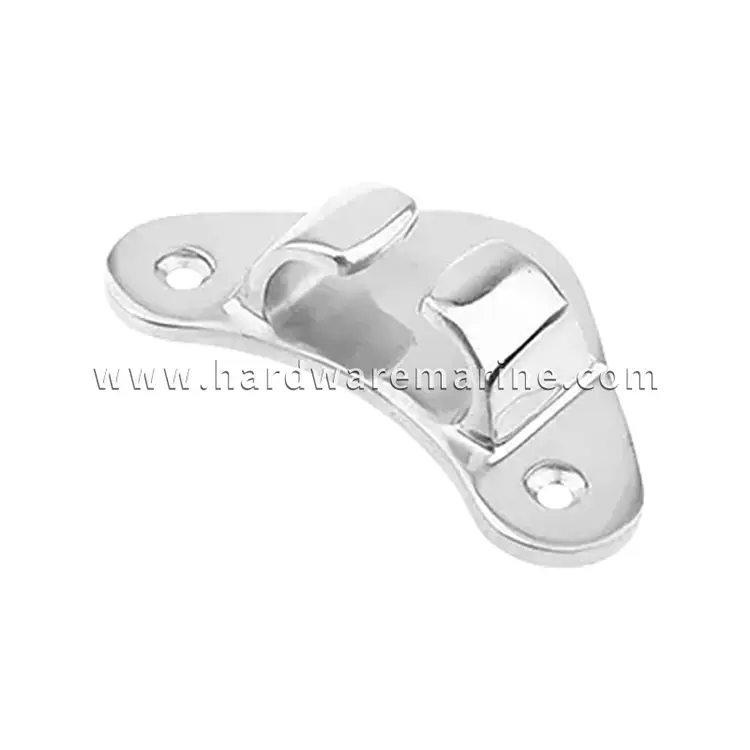
Commercial operators also reap the rewards. A water taxi captain making two dozen short stops a day needs hardware that can handle constant rope handling. The angled chock's design reduces the effort to throw a line and retrieve it quickly, all while preserving the rope's integrity. In the high-wear world of passenger vessels, this translates into tangible savings on replacement lines and less time spent on maintenance.
One might ask: why not use standard 304 stainless or even chrome-plated zinc? The sea has a way of exposing shortcuts. Zinc plating flakes within a season in saltwater, leaving ugly rust streaks down the hull. 304 stainless, while better, contains no molybdenum and will eventually succumb to crevice corrosion in stagnant saltwater—particularly around fasteners. Many boat owners have learned this lesson the hard way, discovering pitted, weakened fittings during a critical docking maneuver.
316 stainless steel, with its molybdenum addition, resists chlorides at a fundamentally higher level. The PREN (Pitting Resistance Equivalent Number) for 316L is typically 25 or higher, compared to 19 for 304. In practice, this means our bow chocks can face constant salt spray, tropical humidity, and even occasional submersion without developing the rusty pinpricks that herald structural decline. This is not just a cosmetic advantage; it's a safety margin. When a chock is called upon to hold a vessel against a 40-knot gust in a crowded marina, you want the metal to be as strong as it was on day one.
Another layer of defense comes from the manufacturing process. These chocks are not cast from low-grade scrap; they are precision-investment cast from certified 316L ingots. After casting, each piece undergoes heat treatment to homogenize the microstructure and relieve internal stresses. The subsequent electro-polishing pass does more than shine—it creates a passive layer of chromium oxide that actively repels corrosion. The result is hardware that you bolt on and forget, until you give it an admiring glance while washing down the deck.
Even the finest hardware falls short if the installation is botched. Fortunately, fitting these angled bow chocks is straightforward for anyone with basic fiberglass working skills. The chocks come with counter-sunk mounting holes spaced to spread the load. Here is a typical installation sequence that ensures long-term reliability:
Properly installed, these chocks become a permanent part of your boat, likely outlasting the vessel itself.
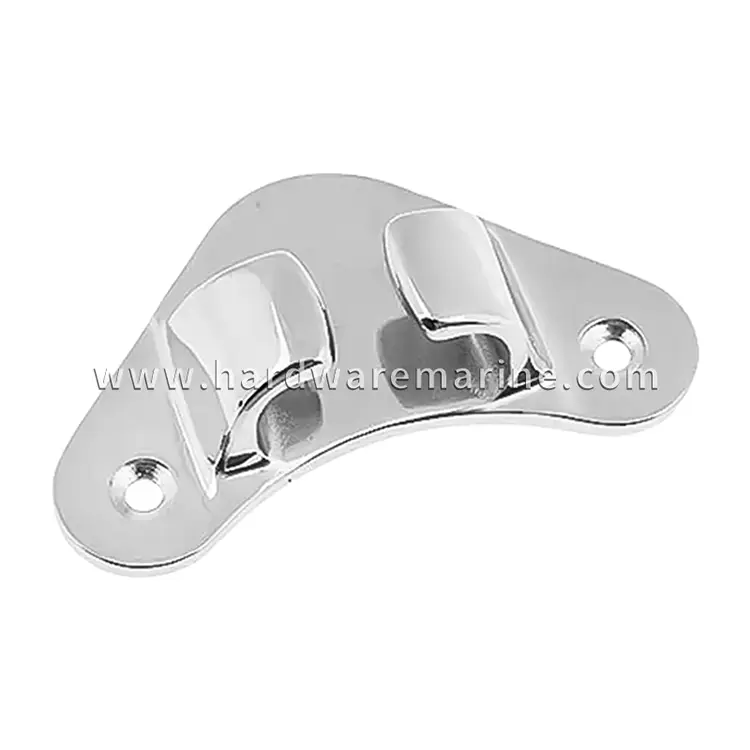
The short answer: any vessel that uses mooring lines and values safety. But let's get more specific.
Sailing yachts 25–55 feet: These boats often have short bowsprits or anchor platforms where line lead is critical. The angled chocks provide a friction-free path that keeps the line from jumping out, even at extreme angles.
Power cruisers and trawlers: Higher freeboard and heavier displacement mean greater loads. The 316 stainless construction and high working load limit offer peace of mind when tying up in exposed marinas.
Commercial fishing vessels: Constant pulling, corrosive fish waste, and rough handling demand the utmost in durability. The electro-polished surface resists scale build-up and is easy to hose down.
Sportfishermen and center consoles: These boats frequently raft up and deploy multiple spring lines. The flared chock design simplifies line handling in a hurry, essential during tournament conditions.
Pontoon and deck boats: Often overlooked, pontoons benefit from clean line routing that doesn't interfere with railings or furniture. The angled option accommodates the flat bow deck and low railing heights beautifully.
Whether you're a liveaboard couple cruising the Caribbean or a weekend angler on the Gulf Coast, the upgrade to quality bow chocks is one of those subtle changes that makes every docking a little smoother and every anchorage a little more secure.
Tom Williams, a delivery captain with 30,000 ocean miles under his keel, recalls a delivery from Fort Lauderdale to Annapolis. "We hit a nasty nor'easter off Hatteras. The owner had installed some budget chocks that were already pitted. Two days of heaving to and the chock started to bend. I had to jury-rig a fairlead using a snatch block. After that trip, I started recommending only 316 stainless angled chocks—specifically the ones from Shandong Power Industry and Trade Co., Ltd. because they always seem to fit perfectly and look like a jeweler made them."
For liveaboard couple Sarah and Miguel, the chocks were a small but significant upgrade during their refit in Mexico. "Our old straight chocks were eating through our expensive Dock Edge lines. Since swapping to the angled 316 stainless model, we haven't had to replace a single line in over 8,000 miles of cruising. Plus, they still look brand new, even after months in the Sea of Cortez."
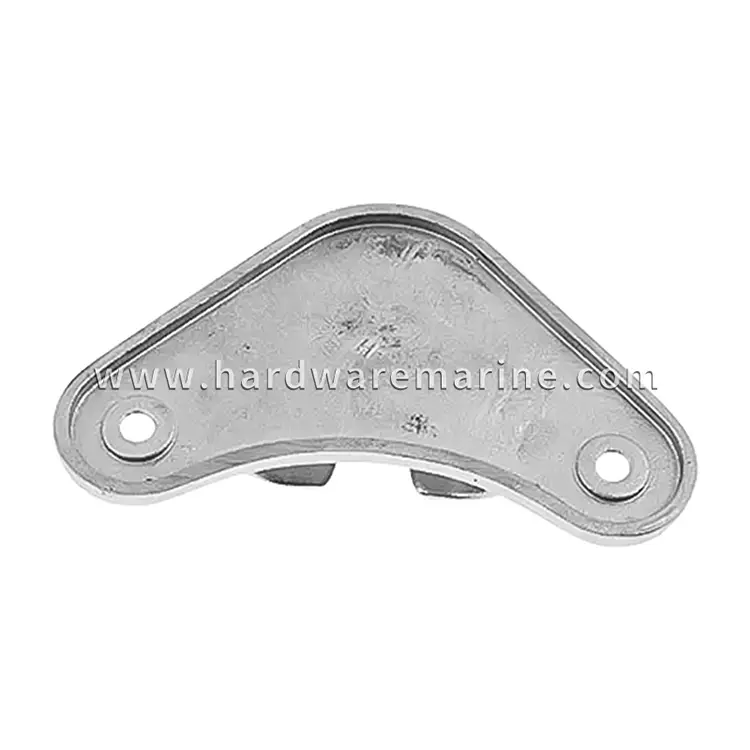
These anecdotes echo a common sentiment: by investing in superior deck hardware, owners reduce long-term costs, lower stress during maneuvers, and enhance the overall look of their boats. It's a classic case of buying the best and only crying once.
The name behind these exceptional chocks is Shandong Power Industry and Trade Co., Ltd., a company with deep roots in marine manufacturing. Unlike generic resellers, this firm oversees every stage of production, from raw material sourcing to final quality control. The company's facility employs advanced investment casting techniques that minimize porosity and ensure consistent wall thickness—critical for load-bearing fittings.
More than just a supplier, Shandong Power Industry and Trade Co., Ltd. collaborates with naval architects and veteran mariners to refine product designs. The angled geometry of these bow chocks results from feedback gained on docks around the world. The company maintains a library of deck hardware designs that can be customized, and they stand behind their products with responsive customer support. When you specify their 316 Stainless Steel Marine Angled Bow Chocks, you are tapping into a lineage of craftsmanship that blends Chinese industrial efficiency with global marine standards.
There's also a sustainability angle often overlooked. Short-lived hardware ends up in landfills or at the bottom of a scrap bin. Durable 316 stainless marine chocks have a lifecycle of decades, not seasons. They can be reused across multiple refits and eventually recycled at a high metal value. By choosing a product that doesn't need frequent replacement, boaters reduce material waste and the carbon footprint associated with manufacturing and shipping replacements. It's a small but meaningful contribution to cleaner oceans and a healthier planet.
Q: Can these angled chocks be used on a relatively flat bow deck without causing the line to ride up?
Yes, absolutely. The angle is built into the groove, not the base plate, so it provides a smooth upward lead that actually helps prevent chafing on a flat deck. The line exits the chock at a slightly raised angle, which keeps it clear of the deck surface and any non-skid texture that could abrade the rope.
Q: Will 316 stainless still show some tea-staining after years in tropical water? How do I clean it?
While 316 is highly resistant, no stainless is impervious. In warm, stagnant, low-oxygen water, minor tea staining may appear. This is cosmetic and does not affect integrity. To clean, use a non-abrasive stainless cleaner or a paste of baking soda and water. For stubborn spots, a mild oxalic acid wash followed by thorough rinsing restores the shine. Regular washing with fresh water goes a long way toward preventing any discoloration.
Q: Are the mounting holes standard, or will I need to drill new ones if upgrading from another brand?
The hole patterns are common industry standards, but variations exist. Our chocks include a drilling template to mark new holes if needed. If you are retrofitting, you can often fill the old holes with epoxy and drill fresh ones, ensuring a perfect seal. The included fasteners are metric but we offer imperial option kits upon request through Shandong Power Industry and Trade Co., Ltd.
Q: Do these chocks come with a warranty against corrosion?
Yes. The manufacturer provides a 5-year limited warranty against manufacturing defects and corrosion perforation under normal marine use. This does not cover cosmetic staining or damage from improper installation, such as using dissimilar metal fasteners without isolation. Always use 316 stainless bolts and proper sealants to maintain warranty coverage.
Q: What is the maximum rope diameter these chocks can handle comfortably?
The 5-inch model comfortably accommodates lines up to 5/8 inch (16 mm), the 6-inch model up to 3/4 inch (19 mm), and the 8-inch model up to 1 inch (25 mm). The flared lips allow slightly larger sizes if necessary, but for optimal lead and chafe protection, match the chock size to your primary dock line diameter.
Q: Are these chocks suitable for use with Spectra/Dyneema lines, which are known to be slippery and susceptible to heat damage?
Yes, the ultra-smooth electro-polished surface minimizes friction heat, which is a major concern with high-modulus lines. The angled design also helps keep the line from rubbing on a single point, distributing the heat. However, when using high-tech lines, always inspect the chock for any rough spots and periodically check the line cover for signs of glazing. The combination of 316 stainless and a proper angle is one of the best available for preserving expensive synthetic ropes.
At the end of the day, marine hardware is about trust. When you step off your boat after a long passage, you trust that the lines will hold. When a storm approaches and you double up your dock lines, you trust that the deck fittings won't fail. The 316 Stainless Steel Marine Angled Bow Chocks from Shandong Power Industry and Trade Co., Ltd. embody that trust in a way that is both visible and tactile. Each time you drop a loop over a cleat and see the line run true through the chock, you're reminded that good design makes the sea a little less hostile and a lot more inviting.
It's not about showing off a shiny piece of metal. It's about the quiet confidence of knowing you've done everything possible to protect your boat, your crew, and your investment. Whether you're restoring a classic wooden ketch or outfitting a brand-new center console, these bow chocks represent a choice for durability over disposability, for form that follows function, and for a brand that stands behind its work.
As the tide shifts and the harbour lights come on, the chocks remain fixed, catching the last glow of the day. Ready for the next departure, the next unexpected squall, the next serene sunrise at anchor. Ready to be the dependable partner you may not always notice, but would never want to be without.