Marine Anchor,Boat Bollard,Thru-Hull,Boat Cleat,Boat Seat,R&D Customized Marine Products,Seawater Strainers,Pull Rings,Marine Steering Wheel,Deck Filler,Pipe Stanchion,Hinge,BIMINI Fitting,Bow Chock,Boat Anchor Roller,Marine Ladder,Fishing Rod Holder,Deck Plate,Antenna Base,Cockpit Drain,Turning Lock,OEM/ODM Marine Hardware,Chain Stopper,Anchor Connector,Tank Vent,Boat Anchor,Copper Plated Marine Hardware,Brass Bronze Parts,Anchor Chain


The open water is unforgiving. Salt-laden air, crashing spray, wild temperature swings, and constant vibration test every piece of hardware mounted on a boat. Fuel tanks, water tanks, and holding tanks all need to breathe. Without proper ventilation, pressure builds inside a sealed tank, fuel delivery becomes erratic, fittings strain, and in the worst cases, tank walls can crack or rupture. Moisture and seawater can also sneak into an unprotected vent, contaminating fuel, corroding internals, and setting the stage for costly repairs. That is why the choice of a tank vent is not a minor detail. It is a critical safeguard for the entire vessel.
The 316 Stainless Steel Marine Tank Vent is engineered exactly for this reality. Built from marine-grade 316 stainless steel, this vent resists the corrosive bite of saltwater, blocks water ingress, and allows clean, consistent airflow to keep tanks at the correct pressure. Offered by Shandong Power Industry and Trade Co., Ltd., it represents a careful balance of metallurgy, fluid dynamics, and practical marine design. Whether you are outfitting a new build, replacing a pitted chrome-plated vent, or upgrading an aging bronze fitting, this component brings long-term reliability to your fuel or water system.
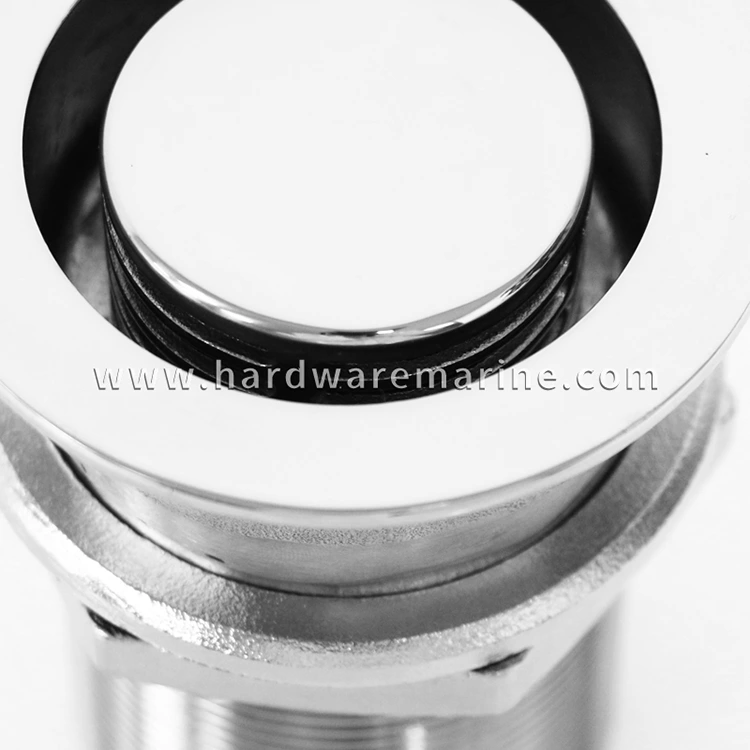
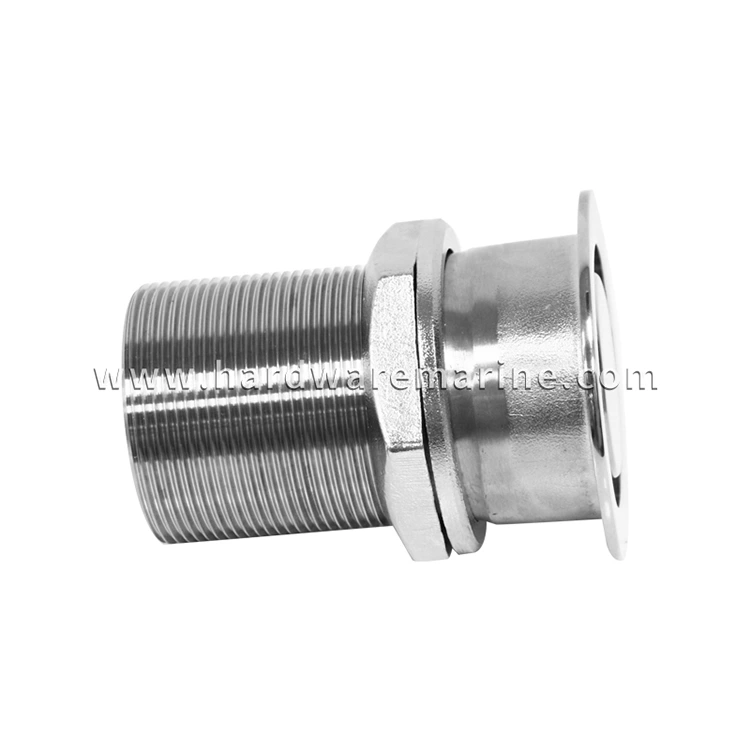
 316 Stainless Steel Marine Tank Vent main view showing polished stainless body and screen mesh" loading="lazy">
At first glance, a tank vent can look like a simple through-hull fitting. But its role is deceptively complex. As fuel is drawn from a tank by the engine, air must enter to replace the lost volume. Without a vent, the pump would eventually pull a vacuum, starving the engine and collapsing flexible tank walls. As temperatures rise, fuel expands and vapor pressure increases. The vent must allow that vapor to escape safely rather than forcing it past seals or into the bilge. During rough seas, water sloshes against the hull. The vent must reject that water while still letting air pass. Throughout all of this, it must survive constant exposure to UV, salt, diesel, gasoline, and cleaning chemicals.
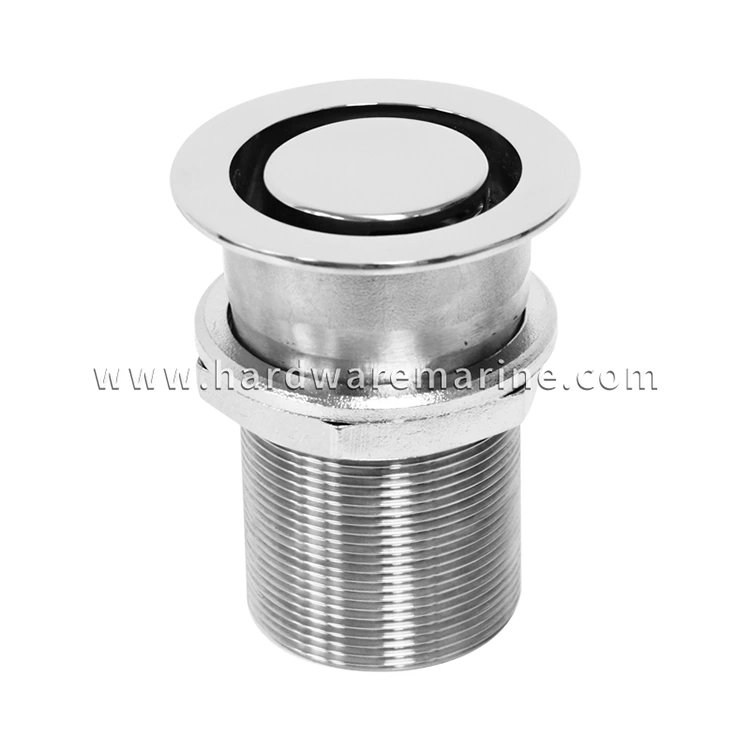
The 316 Stainless Steel Marine Tank Vent handles each of these demands with a design that has been refined for real marine conditions. The body is machined from solid 316 stainless bar stock rather than thin stamped sheet. The visible flange is polished to a bright, corrosion-resistant finish that complements modern topsides and transoms. Behind the flange, a fine stainless mesh screen keeps insects, debris, and solid particles out of the vent line. The internal baffle is shaped to deflect spray and wind-driven water away from the air passage, while the outlet remains open enough to prevent vacuum or pressure buildup.
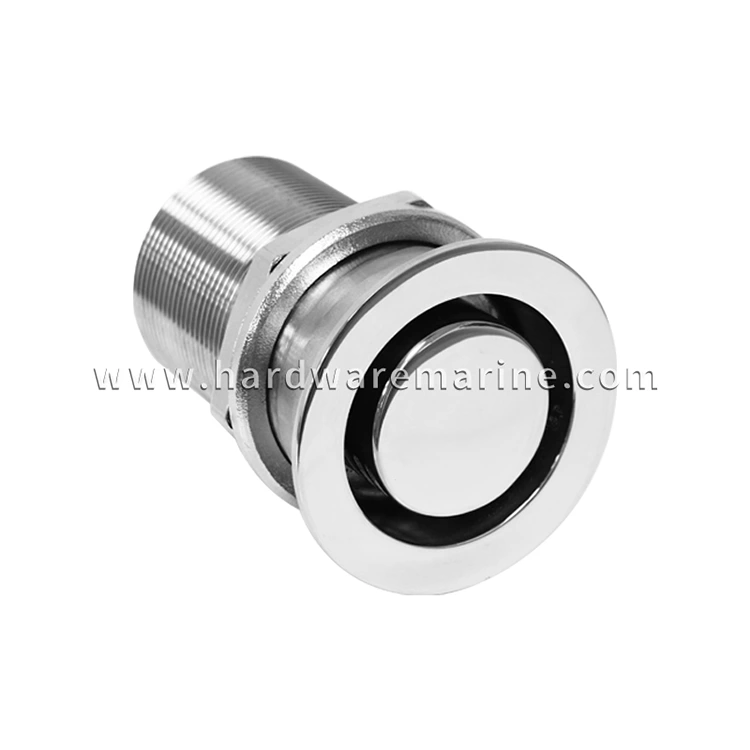
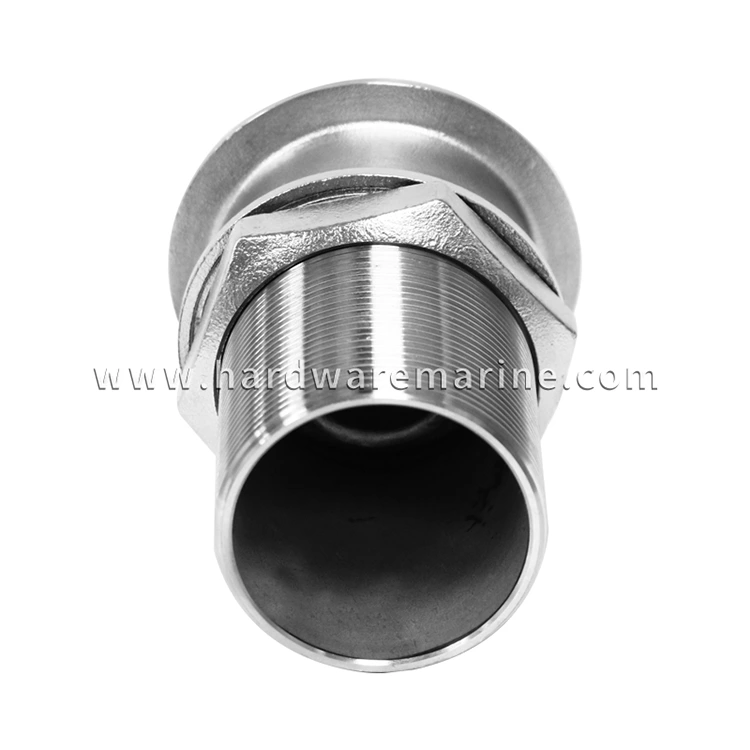
Installation is straightforward. The vent threads directly into a standard female NPT boss or a pre-tapped hole in a tank top or hull side. A thin gasket or sealant provides a watertight connection. The compact profile sits close to the surface, reducing the chance of snagging lines, bumpers, or dock edges. Once installed, the vent becomes an almost invisible part of the vessel, quietly doing its job season after season.
Many marine vents on the market today are still made from 304 stainless steel, zinc-plated steel, or chrome-plated brass. These materials look fine on a showroom shelf, but they struggle in the real marine environment. Chlorides in seawater attack the grain boundaries of 304 stainless, causing pitting, surface rust, and eventual failure. Zinc plating wears thin within months. Chrome plating flakes away from brass, exposing the base metal to rapid dezincification. The result is a vent that leaks, seizes, or simply falls apart.
The 316 Stainless Steel Marine Tank Vent avoids these problems from the start. The addition of molybdenum in 316 stainless greatly improves resistance to chlorides, making it the preferred material for marine hardware. It withstands continuous exposure to salt spray, brackish water, diesel, gasoline, and common cleaning agents. The polished surface does not need painting or coating to maintain its appearance. Over time, it may develop a slight haze, but it will not rust through or lose structural integrity under normal conditions.
Precision matters when you are drilling a hole in a deck or tank. A vent that does not seat squarely can leak, loosen, or crack the surrounding surface. The 316 Stainless Steel Marine Tank Vent is machined to consistent dimensions, so the flange sits flat and the threads engage smoothly. Below is a summary of the key physical and performance specifications for this vent.
| Specification | Detail |
|---|---|
| Body Material | 316 stainless steel, solid bar stock |
| Flange Finish | Polished, corrosion-resistant surface |
| Thread Type | NPT (National Pipe Thread), male |
| Available Thread Sizes | 1/4 inch, 3/8 inch, 1/2 inch, 3/4 inch |
| Screen Mesh | Stainless steel, fine weave, insect and debris blocking |
| Design Features | Integrated baffle, low-profile flange, water-deflecting geometry |
| Operating Temperature Range | -20°F to 250°F (-29°C to 121°C) |
| Media Compatibility | Diesel, gasoline, fresh water, gray water, black water, hydraulic fluid |
| Corrosion Resistance | Excellent in marine and high-chloride environments |
| Mounting Style | Through-hull, flush flange |
| Gasket Recommendation | Nitrile or EPDM gasket, marine sealant compatible with 316 stainless |
| Approximate Weight | 0.15 lb to 0.45 lb depending on thread size |
All dimensions are held within standard industry tolerances, and the threads are checked with calibrated gauges before shipment. This level of quality control is a direct reflection of the manufacturing standards maintained by Shandong Power Industry and Trade Co., Ltd.
The 316 Stainless Steel Marine Tank Vent is not limited to one type of boat or one type of tank. It is a versatile component that fits many different applications. The following examples show how it solves real problems on the water.
Fuel tanks expand and contract with temperature. During the day, the sun heats the tank and vapor pressure rises. At night, the tank cools and draws air back in. If the vent is blocked by corrosion or insect nests, the tank can pressurize or pull a vacuum. This vent keeps the pressure balanced, reduces the risk of vapor lock, and prevents fuel vapors from accumulating in the bilge.
Water tanks need to breathe just as much as fuel tanks. When a pump draws water out, make-up air must enter. If the vent is undersized or clogged, the pump will cavitate and the tank walls may flex. The fine mesh screen keeps dirt, dust, and small insects out of drinking water systems, while the polished stainless body is safe for potable water contact.
Black water and gray water tanks produce corrosive gases. A plastic or chrome vent will degrade quickly under those conditions. The 316 stainless body and internal screen resist hydrogen sulfide and ammonia compounds, keeping the vent functional much longer. Proper venting also helps aerobic bacteria break down waste, reducing odors in the system.
Many commercial vessels, sportfishers, and workboats carry hydraulic reservoirs and auxiliary tanks for generators or watermakers. These tanks need vents that can handle oil mist and high temperatures. The 316 Stainless Steel Marine Tank Vent is compatible with hydraulic fluid and offers the durability required for continuous duty.
This product is used by a wide range of people who share one thing in common: they cannot afford a vent failure. Marine technicians and boat builders choose it for new installations because it passes survey requirements and looks professional. DIY boat owners choose it as a direct replacement for corroded or broken vents. Fleet operators and commercial captains choose it because downtime on the water is expensive. Sailors, anglers, cruisers, and weekend runabouts all benefit from the same robust design.
A typical installation might involve a 28-foot center console fishing boat that spends every weekend in salt water. The original vent was a chromed bronze fitting that started to show green corrosion after two seasons. Replacing it with the 316 Stainless Steel Marine Tank Vent ends the recurring rust stains on the deck and gives the owner one less thing to worry about. Another example is a liveaboard sailboat with a stainless water tank. The owners needed a vent that would not contaminate their potable water with corrosion byproducts. This vent met their requirements and blended seamlessly with the other polished hardware on deck.
No matter the vessel size, the common thread is confidence. You want to know that your tank vent will not fail when the boat is miles from shore, when the weather turns, or when the tank is full and pressure builds. That confidence comes from material quality and careful engineering.
There is a special kind of satisfaction in leaving the dock with every system working properly. The engine starts instantly, the fuel flows smoothly, and the tanks do not make strange sucking sounds. You are not worried about water getting into the fuel, a bug plugging the vent, or a rusty fitting staining the fiberglass. The 316 Stainless Steel Marine Tank Vent gives you that peace. It disappears into the background so you can focus on the water, the fish, the sunset, and the people around you.
Boat ownership is full of small maintenance tasks. Many of them are unavoidable. But replacing a tank vent should not be on your annual list. With this vent, you can install it once and trust it for years. The polished flange stays clean with a quick wipe during washdown. The internal screen does not clog under normal conditions. The threads do not seize into the fitting, so if you ever need to remove it, the job is straightforward. That kind of low-maintenance reliability changes the way you feel about your boat.
Imagine a hot summer afternoon at the fuel dock. You are filling the tank, and the vent is doing its job, allowing vapor to escape without spitting fuel onto the deck. You finish fueling, close the cap, and head out. The engine runs at full throttle without missing a beat. Later, as you rinse the boat, you see the vent flange glinting in the sun. There is no rust, no pitting, no green stain. It is a small detail, but it tells you the boat is well cared for and ready for the next adventure.
There are many marine tank vents available, but not all are created equal. The differences may be subtle at first glance, but they become obvious over time. Here is how the 316 Stainless Steel Marine Tank Vent from Shandong Power Industry and Trade Co., Ltd. compares to common alternatives.
304 stainless is less expensive, but it contains no molybdenum. In a marine environment, 304 develops surface rust and pitting within months, especially if the vent is exposed to salt spray or mounted on a stainless tank that is frequently washed with seawater. 316 stainless resists those attacks. The slight increase in material cost is repaid many times over in longer service life and reduced maintenance.
Some vents are made from thin sheet metal stamped into shape. They can dent easily, their threads are shallow, and the flange may not sit flat. This vent is machined from solid 316 bar, giving it a rigid body, deeper threads, and a perfectly flat flange. Installation is more secure, and the vent can withstand accidental impacts without deforming.
A raw cast finish has microscopic pores that trap salt and dirt, accelerating corrosion. The polished finish on this vent is smooth and easy to clean. It also provides a brighter, more professional appearance that matches other stainless deck hardware.
An open bore vent allows insects, spiders, and debris to enter the tank. Once inside, they can block the pickup tube, contaminate the fluid, or create a fire hazard in a fuel tank. The integrated stainless mesh screen is a simple but essential barrier. It is fine enough to block most insects, yet coarse enough to avoid restricting air flow.
A straight-through vent is vulnerable to water intrusion from waves, rain, and washdown sprays. The baffled design on this vent deflects water droplets before they can reach the tank. This is especially important for fuel tanks, where water in the fuel can lead to microbial growth, filter clogging, and injector damage.
Installing the 316 Stainless Steel Marine Tank Vent is a project that most boat owners can complete in under an hour. The process is simple: drill or enlarge the mounting hole to match the thread size, apply a small amount of marine sealant to the flange or threads, thread the vent into the fitting, and align it to the desired orientation. Use a soft-jaw wrench or a strap wrench to avoid scratching the polished surface. Do not overtighten, especially when threading into a plastic tank. A snug fit plus sealant is sufficient to create a watertight seal.
If the vent is installed in a through-hull location on the exterior of the hull or deck, inspect it during routine washdowns. A quick rinse with fresh water removes salt deposits and keeps the mesh screen clear. In areas with heavy insect activity, check the screen every few months and remove any debris with a soft brush. The vent does not require painting or coating. In fact, painting the screen or the internal passage can reduce airflow and should be avoided.
For fuel tank installations, always follow the tank manufacturer's instructions for vent location and size. The vent should be positioned above the highest possible fuel level and routed to prevent water from entering the tank. Use a loop or gooseneck in the vent line if necessary. For water tanks, make sure the vent line has no low spots where water can collect and block airflow. For holding tanks, consider installing the vent on a vertical surface or using an odor filter downstream if odors are a concern.
Behind every quality marine component is a company that takes its craft seriously. Shandong Power Industry and Trade Co., Ltd. specializes in stainless steel marine hardware, supplying distributors, boat builders, and online retailers around the world. The 316 Stainless Steel Marine Tank Vent is produced under strict quality control procedures. Raw material is sourced from certified mills, and each batch is verified for chemical composition. Machining is performed on CNC equipment to maintain consistent dimensions. Finished vents are inspected for thread accuracy, surface finish, and screen integrity before packaging.
This attention to detail matters because a vent is a safety component. A fuel tank vent that fails can cause a fire or an engine shutdown at the worst possible moment. A water tank vent that leaks can introduce bacteria and ruin a cruise. By choosing a vent that is built to marine-grade standards, you are making a deliberate investment in the safety and comfort of everyone on board.
The vent is packaged carefully to prevent scratches during transit. Each vent is individually wrapped and placed in a sturdy box with clear labeling. Wholesale and bulk packaging options are available for boat builders and repair shops. If you have specific requirements for thread size, flange diameter, or screen mesh, the company can also discuss custom production runs.
Q: Is this vent suitable for saltwater use on a boat kept in a marina?
A: Yes. The 316 stainless steel body is specifically chosen for saltwater and high-chloride environments. It resists pitting, crevice corrosion, and surface rust far better than 304 stainless or chrome-plated brass. Rinsing the vent with fresh water during normal washdowns will further extend its life, but it is designed to withstand continuous exposure to salt air and spray.
Q: Can I use this vent for a gasoline fuel tank?
A: Absolutely. The vent is compatible with gasoline, diesel, and ethanol-blended fuels. The stainless steel body and screen will not degrade when exposed to fuel vapors. The baffled design reduces the risk of water entering the tank, which is critical for gasoline systems where water can cause phase separation and engine problems.
Q: What thread size do I need for my tank?
A: The most common sizes for marine tanks are 1/4 inch, 3/8 inch, 1/2 inch, and 3/4 inch NPT. Check your existing vent or the fitting on your tank. If you are replacing an old vent, measure the outside diameter of the male threads or the inside diameter of the female receiving fitting. When in doubt, consult your tank manufacturer or a marine technician. Ordering the correct size the first time saves time and prevents leaks.
Q: Will the screen clog easily with salt or dirt?
A: Under normal conditions, the screen does not clog quickly. The fine stainless mesh allows air to flow freely while blocking insects and debris. Salt deposits can be rinsed away with fresh water during routine cleaning. If the vent is used in an area with high dust or insect activity, check it monthly and brush the screen lightly if needed. Do not use a wire brush that could damage the mesh.
Q: Does this vent come with a gasket?
A: The vent itself does not include a gasket, because the best gasket material depends on the tank surface and the fluids involved. For most installations, a nitrile or EPDM gasket works well. A high-quality marine sealant such as polyurethane or polysulfide can be used alone or with a gasket to create a watertight connection. Avoid silicone sealants in fuel systems unless specifically rated for fuel contact.
Q: Can I install this vent above the waterline on the hull side?
A: Yes, but placement is important. For fuel tanks, the vent should be positioned to prevent water ingress under all normal operating conditions. Use a gooseneck or upward loop in the vent hose, and mount the vent high enough that waves and washdown spray do not continuously hit it. The internal baffle helps deflect spray, but no vent can completely prevent water entry if it is submerged or constantly washed by waves.
Q: How does this vent compare to a bronze vent?
A: Bronze has good corrosion resistance in seawater, but it is softer and can dezincify over time, especially in polluted or acidic water. Bronze vents also tend to develop a green patina that stains surrounding fiberglass. 316 stainless steel is stronger, harder, and maintains a clean polished appearance with less maintenance. It is also lighter than bronze for the same size fitting.
Q: Is this vent safe for potable water tanks?
A: Yes. 316 stainless steel is widely used in food and potable water applications. The material does not leach harmful substances and does not promote bacterial growth when kept reasonably clean. The smooth polished surface is easy to sanitize. For drinking water systems, rinse the vent with clean fresh water periodically and ensure the mesh screen is free of debris.
Q: What is the expected service life of this vent?
A: With proper installation and routine rinsing, this vent can last for many years, often longer than the vessel itself. The main factors that affect service life are the severity of the environment, the type of fluid in the tank, and whether the vent is regularly cleaned. In normal recreational marine use, you can expect a decade or more of reliable service. In commercial or industrial settings, regular inspection is recommended.
Q: Can I paint the vent to match my deck?
A: Painting is not recommended. The polished stainless surface is naturally corrosion-resistant, and paint may trap moisture underneath or flake off over time. If you need a specific color, consider using a marine-grade powder coating applied by a professional, but be aware that any coating may affect the vent's resistance to scratching and chemical exposure. Most owners prefer the natural stainless look because it blends with other deck hardware.