Marine Anchor,Boat Bollard,Thru-Hull,Boat Cleat,Boat Seat,R&D Customized Marine Products,Seawater Strainers,Pull Rings,Marine Steering Wheel,Deck Filler,Pipe Stanchion,Hinge,BIMINI Fitting,Bow Chock,Boat Anchor Roller,Marine Ladder,Fishing Rod Holder,Deck Plate,Antenna Base,Cockpit Drain,Turning Lock,OEM/ODM Marine Hardware,Chain Stopper,Anchor Connector,Tank Vent,Boat Anchor,Copper Plated Marine Hardware,Brass Bronze Parts,Anchor Chain


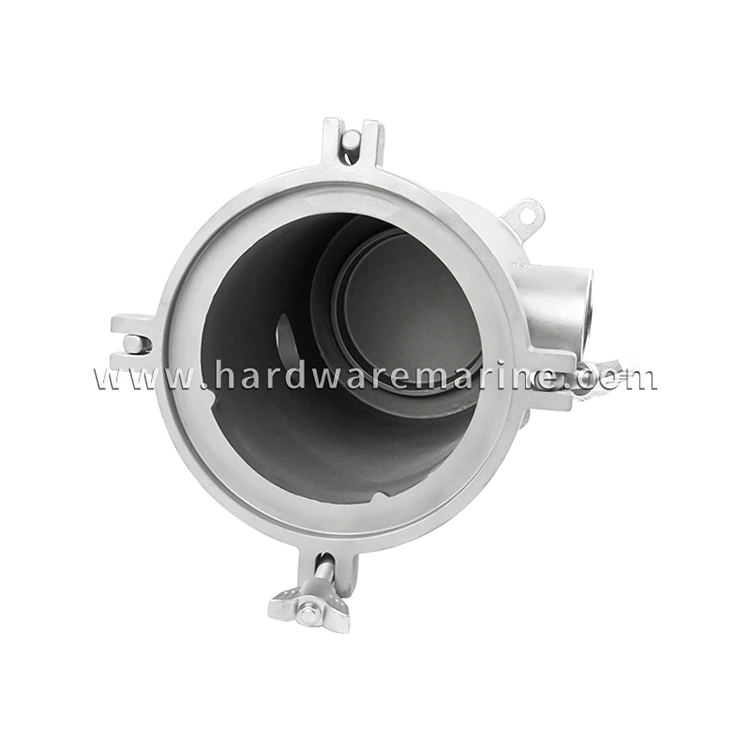
 316 Stainless Steel Marine Seawater Strainer main view" class="featured-image">
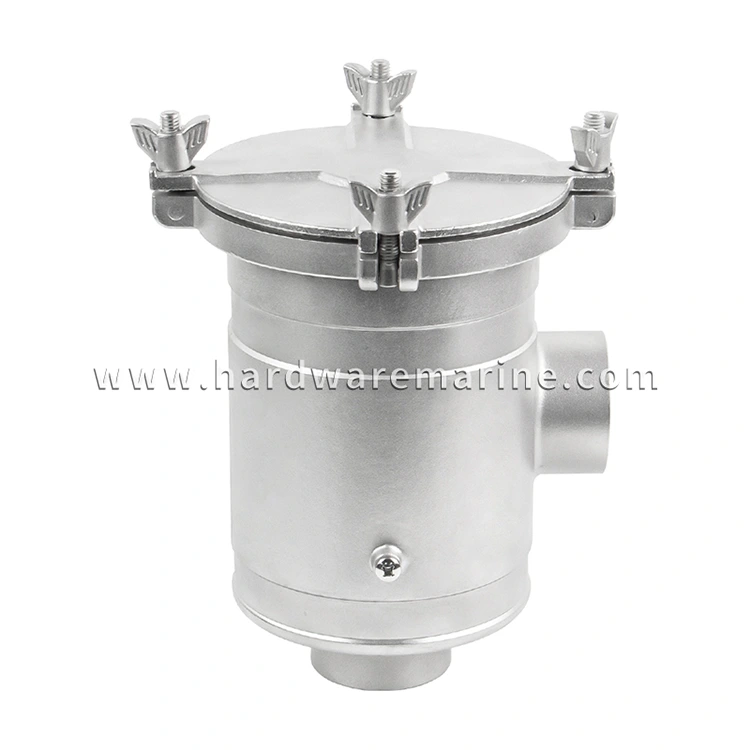
Every seasoned mariner knows the silent threat that flows with the tide. Seawater, the lifeblood of your vessel's cooling system, carries hidden dangers—sand, silt, seaweed, and tiny shell fragments that can clog heat exchangers, erode pump impellers, and trigger engine overheating at the worst possible moment. At Shandong Power Industry and Trade Co., Ltd., we understand that reliability at sea isn't just a preference; it's a necessity. That's why we have engineered a solution that mirrors the unforgiving demands of the ocean itself: the 316 Stainless Steel Marine Seawater Strainer. This isn't merely a filter; it's your engine's first and most resilient line of defense, crafted to deliver uninterrupted flow and peace of mind from harbor to horizon.
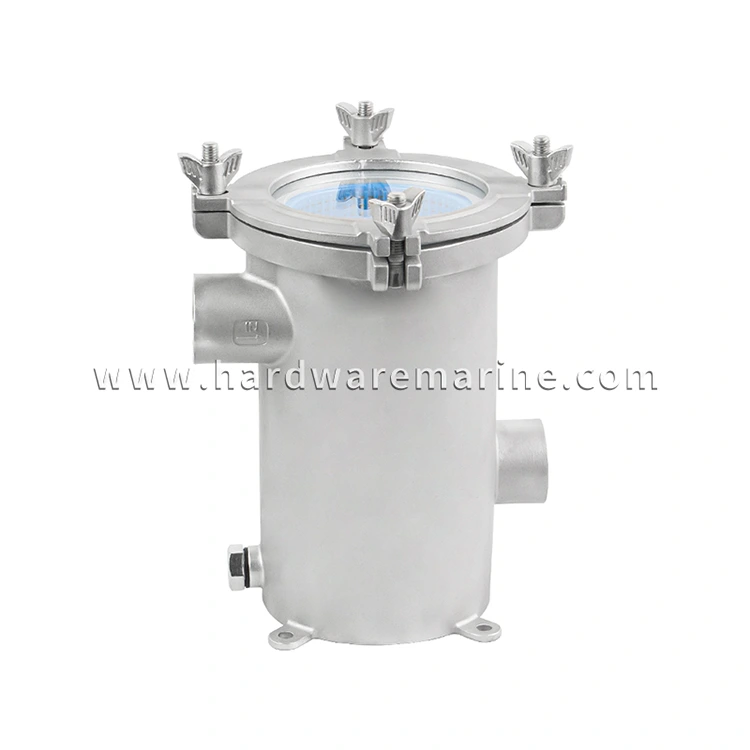
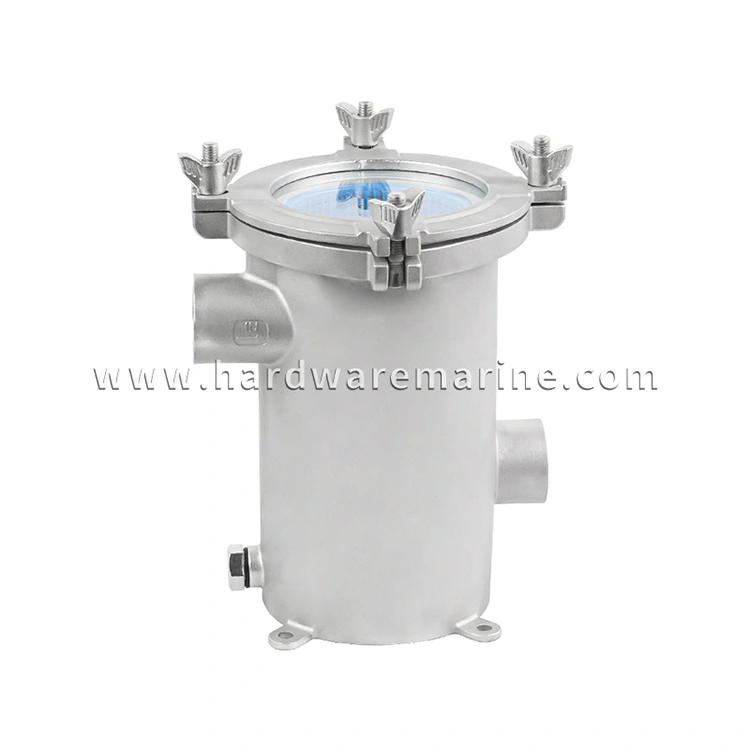
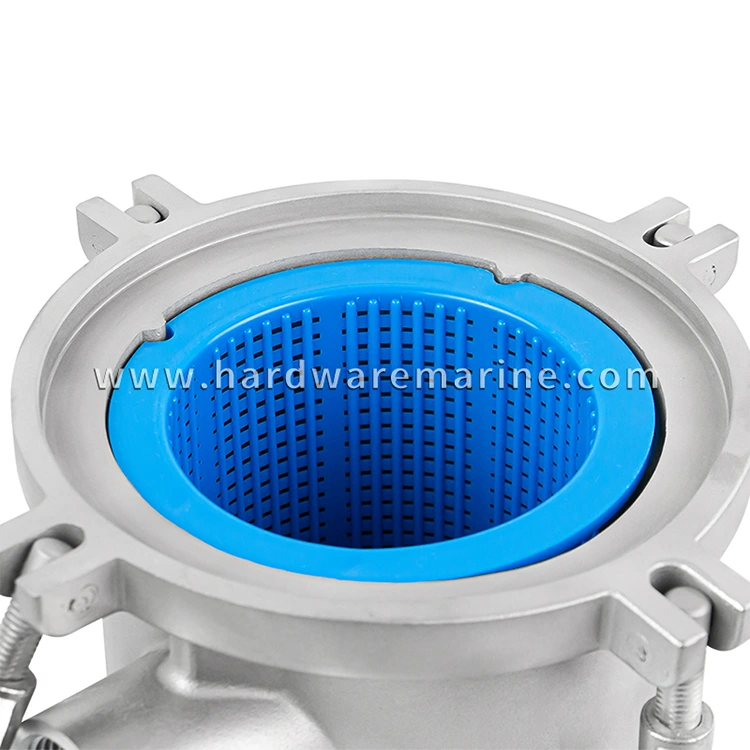
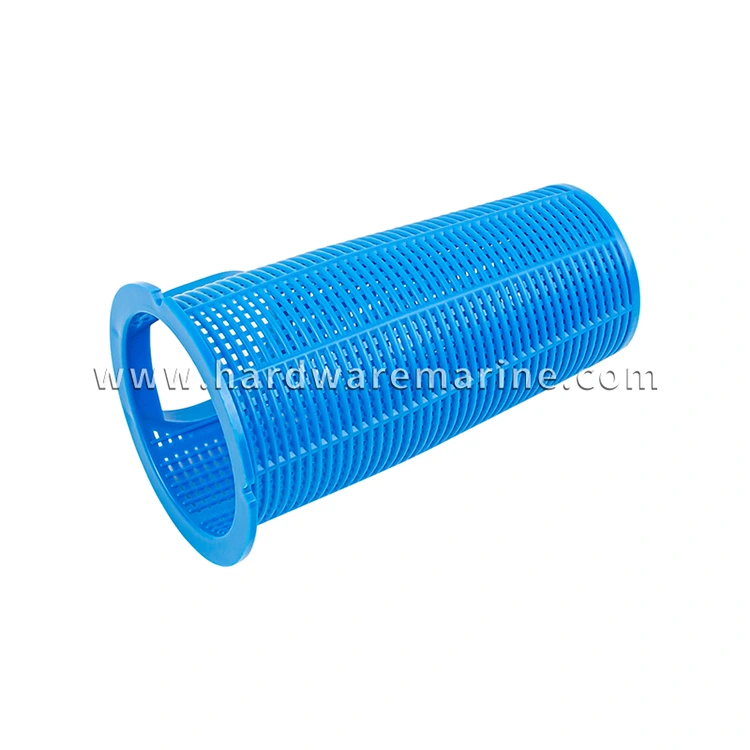
The 316 Stainless Steel Marine Seawater Strainer stands as a testament to precision metallurgy and intelligent design. Forged entirely from genuine 316 marine-grade stainless steel, it resists the corrosive bite of saltwater far beyond what ordinary bronze or plastic strainers can endure. Where inferior materials succumb to pitting and crevice corrosion, this strainer maintains its structural integrity and smooth performance year after year. The material alone tells a story of longevity, but the real narrative unfolds in the details—the way the transparent lid allows instant visual checks without dismantling a single bolt, the way the fine-mesh basket captures debris as small as 0.5 millimeters while still allowing full-rated flow, and the way every weld and thread speaks to a manufacturing process obsessed with perfection.
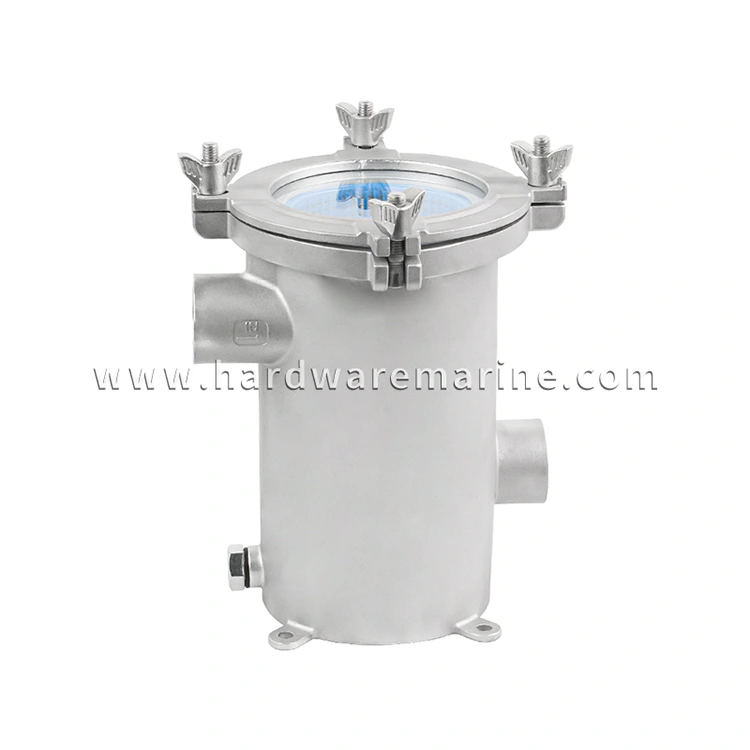
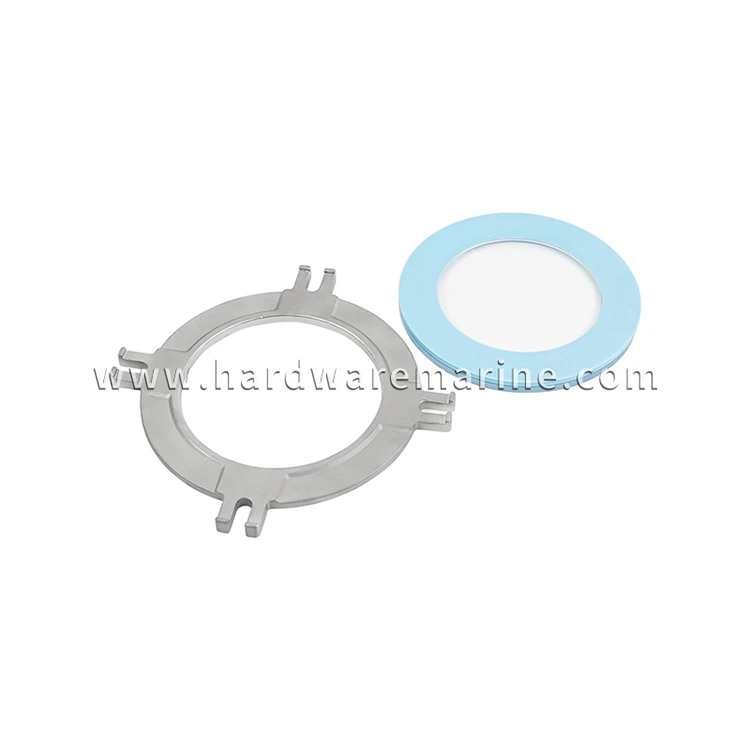
Picture a typical offshore passage. The engine has been humming smoothly for hours, but suddenly the temperature gauge begins to climb. A rapid inspection reveals a blocked raw-water intake—seagrass and plastic debris have overwhelmed the existing strainer. With a lesser product, you'd be reaching for tools, shutting down systems, and perhaps even limping to port. With the 316 Stainless Steel Marine Seawater Strainer, that scenario transforms. The oversized filter basket, with its generous surface area, continues to pass water even when partially loaded, delaying any critical blockage. The quick-release lid, engineered with a robust O-ring seal, allows a crew member to lift out the basket, rinse away the offenders, and reseat everything in under a minute—often without shutting down the generator or main engine entirely. This design philosophy extends to every crevice: no sharp corners where grit might lodge, no hidden cavities that invite bacterial growth, and a mirror-polished interior that minimizes friction loss.
Shandong Power Industry and Trade Co., Ltd. has built its reputation on delivering industrial-grade marine components that bridge the gap between heavy-duty performance and user-friendly servicing. The 316 Stainless Steel Marine Seawater Strainer embodies this ethos. It installs with ease thanks to NPT or BSP threaded ports that are machined to exacting tolerances, eliminating the need for excessive thread sealant or adapter plates. The mounting bracket is laser-cut and pre-drilled, accepting common bolt patterns found in engine rooms, lazarettes, and pump compartments. Whether you're refitting a vintage trawler or specifying equipment for a new-build catamaran, this strainer integrates seamlessly.
| Parameter | Detail |
|---|---|
| Body & Basket Material | 316 Stainless Steel (UNS S31600) |
| Lid Material | Tempered Borosilicate Glass with 316 SS Retaining Ring |
| Seal Material | Viton® (FKM) O-Ring |
| Filtration Rating | 0.020 inch (0.5 mm) mesh aperture |
| Max Operating Pressure | 150 psi (10.3 bar) |
| Max Operating Temperature | 200°F (93°C) continuous |
| Connection Sizes Available | 1/2″, 3/4″, 1″, 1-1/4″, 1-1/2″, 2″ NPT/BSP |
| Flow Rate Range | Up to 70 GPM (265 L/min) depending on size |
| Weight (2″ model) | 8.6 lbs (3.9 kg) |
| Basket Surface Area | 34 sq. in. (220 cm²) for 2″ model |
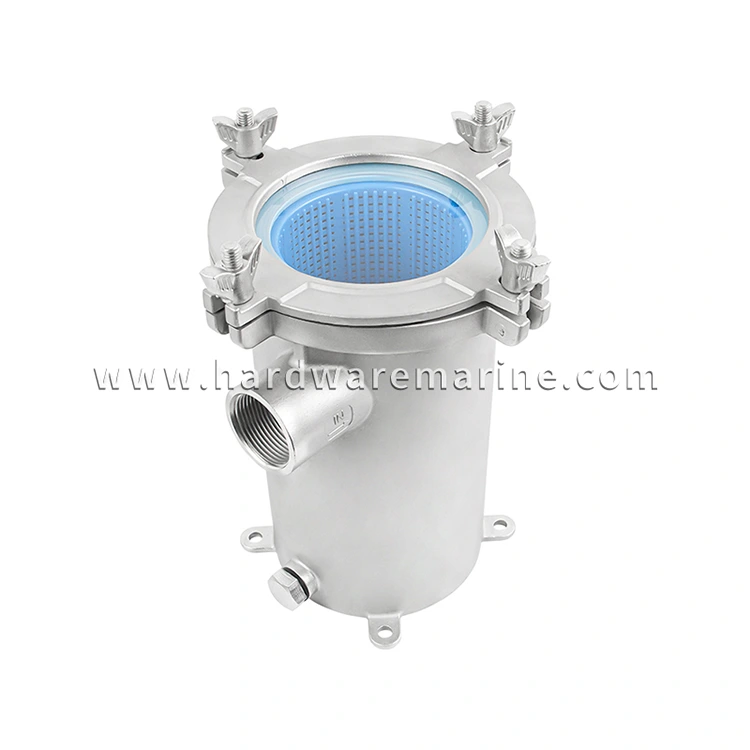
Consider the common frustrations that haunt boat owners. You lift the cockpit sole to check the sea strainer, only to find that the body is clouded with verdigris or stress cracks radiating from the threads. The gasket has mushroomed out of its groove, and the plastic sight glass is so fogged that you cannot see the basket condition. This is the legacy of cost-cut materials. The 316 Stainless Steel Marine Seawater Strainer eliminates each of these failure points. The glass is true borosilicate, resistant to thermal shock and chemical clouding, clamped by a 316 stainless ring that distributes pressure evenly. The Viton® seal withstands diesel, oil, and UV exposure without hardening. Over a decade of service, the strainer body remains as bright and smooth as the day it left Shandong Power Industry and Trade Co., Ltd.’s quality control station.
Downstream of the strainer, your marine gear—generators, air conditioning condensers, refrigeration seawater pumps, watermakers—receives clean, debris-free water. This directly translates to lower maintenance costs, reduced downtime, and extended component life. Watermaker membranes, in particular, are sensitive to particulate; a single sand grain can score the delicate surface. By installing this strainer as part of a multi-barrier approach, you effectively protect thousands of dollars in auxiliary equipment. Anglers will appreciate that the 0.5 mm mesh also stops fish scales, eelgrass, and jellyfish fragments that often plague livewell pumps and washdown systems.
The product finds its home aboard a diverse fleet. Commercial fishermen working the Grand Banks rely on its corrosion resistance when days of continuous operation leave other strainers to degrade. Bluewater cruisers crossing the Pacific demand its easy cleaning because their watermaker depends on a steady stream of clean raw water. Superyacht engineers specify it for generator cooling circuits where space is tight but performance cannot be compromised. Even shoreside aquaculture facilities and dock-side pump systems have adopted this strainer, favoring the industrial quality from Shandong Power Industry and Trade Co., Ltd. over lighter-duty alternatives.
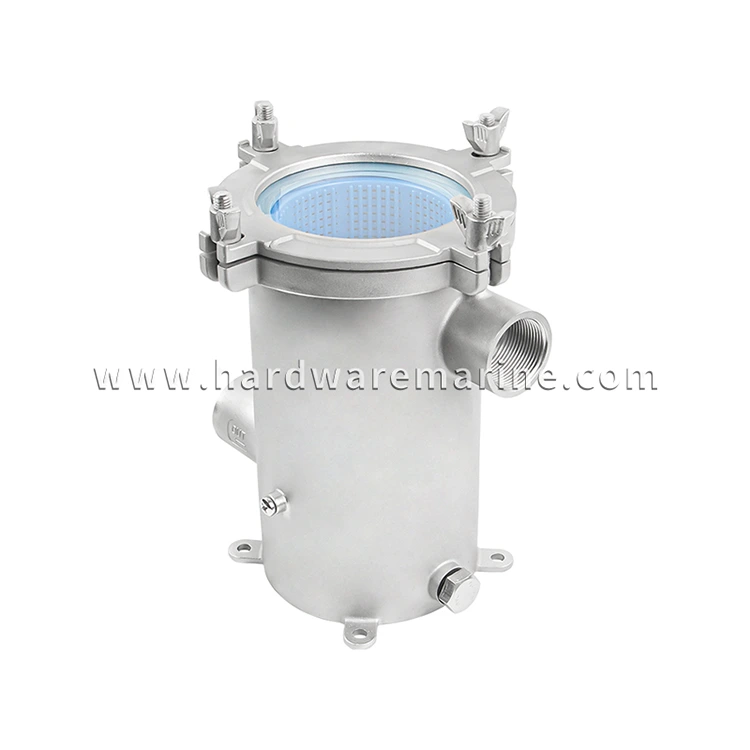
Simplicity defines the experience. The strainer ships with a comprehensive manual, but the process is intuitive. Begin by selecting the appropriate connection size; the port threading is clearly marked. Apply a few wraps of PTFE tape to the male fittings, thread them in hand-tight, then tighten with a wrench another half turn—no more. Mount the bracket using four 1/4-inch bolts (not included) against a bulkhead or stringer. Orient the strainer so that water flows from the seacock to the pump with the basket easily accessible. The lid unscrews counterclockwise by hand; no tool is needed thanks to the knurled stainless ring. After a weekend at anchor, a quick glance through the glass reveals the basket's condition. If it's time to clean, you simply close the seacock, unscrew the lid, lift out the basket, rinse it with a dock hose or overboard, reassemble, and crack the seacock open again. Bleeding is rarely necessary because the strainer housing remains full.
Independent bench testing has consistently shown that the 316 Stainless Steel Marine Seawater Strainer maintains minimal pressure drop even at high flow rates. For the 2-inch model, a flow of 70 GPM exhibits less than 1.5 psi drop across a clean basket. As the basket accumulates debris, the drop increases gradually rather than abruptly, giving you ample warning. This predictable behavior allows captains to plan cleaning intervals around watch changes rather than emergencies. The fine mesh does not sacrifice flow because the basket's cylindrical shape provides significantly more open area than flat-disc strainers of comparable size.
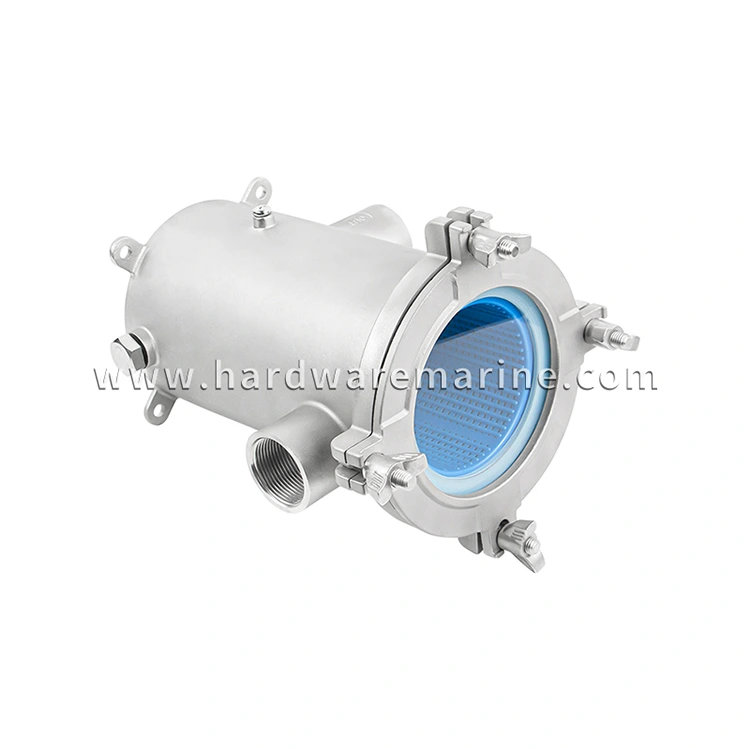
Typical flow characteristics of the 2″ model with clean basket. Even at maximum rated flow, pressure losses stay low, keeping your pump well within its net positive suction head limits.
Walk any marina and you'll see a rainbow of strainer materials—bronze, plastic, low-grade stainless, and composite hybrids. Each has its place, but none matches the all-around resilience of 316 stainless steel in a seawater environment. Bronze strainers suffer from dezincification over time, where the zinc leaches out and leaves a weak, porous copper structure. Plastic strainers, while corrosion-free, crack under mechanical stress and degrade under ultraviolet light. 304 stainless, though affordable, can develop rust spots and pitting corrosion in warm, chloride-rich seawater. Only 316 stainless, with its molybdenum content, forms a stable passive layer that actually thickens in the presence of oxygenated seawater. When Shandong Power Industry and Trade Co., Ltd. sources raw material for these strainers, every batch is verified through spectrometry to ensure it meets the ASTM A240 standard for 316. This eliminates the risk of “mystery metal” so common in unvetted supply chains.
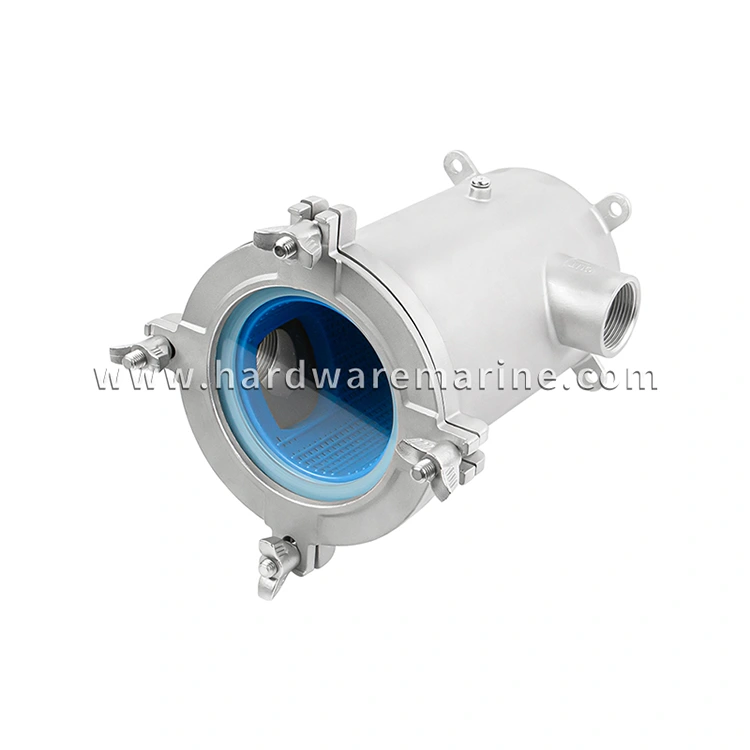
Beyond corrosion, there is a tangible difference in maintenance. Bronze strainers require periodic cleaning with muriatic acid to remove marine growth, a tedious and hazardous chore. Plastic units cannot withstand aggressive chemicals or hot water flushing. The 316 strainer shrugs off both. Barnacle roots and calcium deposits can be removed with a soft brush and mild acid or even a pressure washer without fear of damaging the housing. The smooth surface finish, achieved through electrochemical passivation, further inhibits adhesion by marine organisms. This translates to longer intervals between service and more time enjoying the water.
There is an understated luxury in knowing your boat's systems are protected by the best components available. When you are forty miles offshore and the sun dips below the horizon, the last thing you want is a nagging doubt about your raw-water circuit. The 316 Stainless Steel Marine Seawater Strainer delivers a sense of security that becomes emotional bedrock. Every glance at the clear lid revealing a clean, unobstructed basket reinforces the decision. Should debris ever appear, the swift cleaning process feels less like a chore and more like a brief, satisfying ritual that keeps your floating world in order. Families cruising with children or navigating remote coastlines find particular comfort in this reliability. The noise of a struggling pump or an overheating alarm is replaced by the steady, confident thrum of an engine cooled by pristine water.
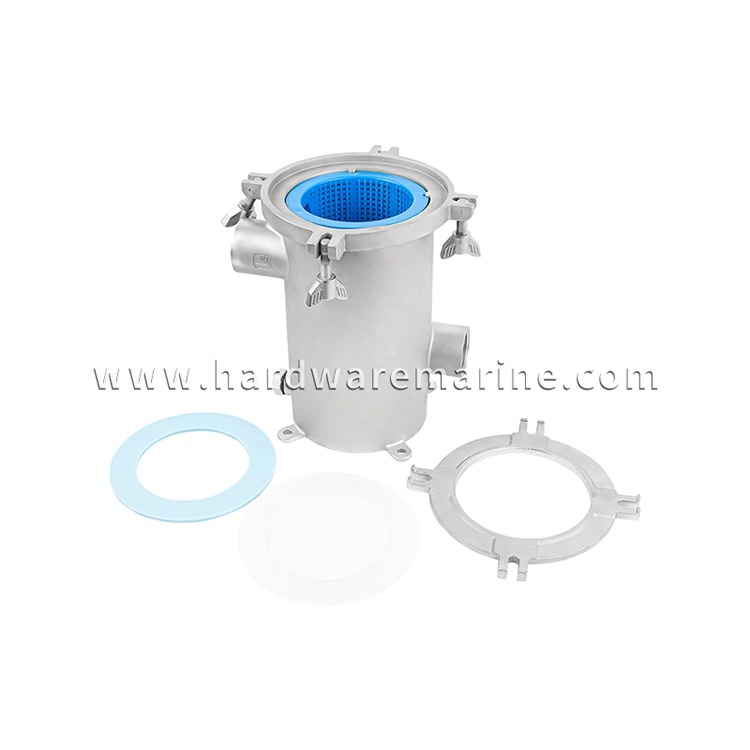
The moment you open the packaging from Shandong Power Industry and Trade Co., Ltd., the quality is palpable. The strainer is swathed in anti-corrosion paper and secured in high-density foam, ensuring that the mirror finish arrives unscathed. The weight—substantial but not cumbersome—immediately communicates that this is a solid piece of engineering. A tag details the serial number and the date of pressure testing. The glass lid is individually wrapped, and the O-ring sits pre-lubricated in a small sealed pouch. Every component is present: the body, basket, lid assembly, mounting bracket, and a set of port plugs for unused outlets. Instructions are printed on durable, water-resistant card stock. It becomes clear that this is equipment designed for those who refuse to compromise.
Marine surveyors often remark that the condition of a boat's sea strainers speaks volumes about overall maintenance standards. After years of service, the 316 Stainless Steel Marine Seawater Strainer still looks operational; the glass remains clear, the threads un-galled, and the body free of rust stains. Owners report that the only maintenance cost has been an occasional O-ring replacement, a negligible expense. Some have transferred the strainer from one boat to the next, a testament to its longevity. In a world where planned obsolescence has crept into marine equipment, this strainer stands as a proud exception.
Shandong Power Industry and Trade Co., Ltd. works directly with boat builders and refit yards to provide tailored strainer packages. Custom port orientations, multi-basket configurations, and integrated pressure sensors are available upon request. For OEMs seeking a reliable partner, the company offers private labeling and dedicated support from initial design through volume production. The same stringent quality standards that define the 316 Stainless Steel Marine Seawater Strainer apply to every custom order, ensuring that end users receive the performance they expect.
Cleaner engine intake water isn't just good for machinery; it also reduces the unintentional transport of invasive species. A well-maintained strainer basket captures small organisms that might otherwise pass through cooling systems and be discharged in distant waters. By choosing a strainer that is easy to inspect and clean, you contribute to more conscientious boating practices. Additionally, the all-metal construction is fully recyclable at end-of-life, with no composite waste to enter landfills. Shandong Power Industry and Trade Co., Ltd. is committed to minimizing the environmental footprint of its manufacturing operations, from sourcing recycled stainless content to reducing packaging waste.
Each 316 Stainless Steel Marine Seawater Strainer begins life as a billet of certified 316 stainless. The body is CNC-machined from a solid casting or, in larger sizes, formed from thick-walled tubing with welded flanges that undergo radiographic inspection. The threaded ports are cut using precision ground taps that leave a razor-clean profile. The basket is formed by rolling and seam-welding perforated sheet, then attaching a solid rim through TIG welding under argon shield for purity. Every completed assembly undergoes a hydrostatic pressure test at 1.5 times the rated pressure to verify structural integrity. The final passivation bath removes any free iron and thickens the chromium oxide layer, giving the metal its characteristic luster and enhanced corrosion resistance. Quality inspectors then examine each strainer under strong light for any defect before it moves to packaging. This meticulous process, honed over years by Shandong Power Industry and Trade Co., Ltd., guarantees that the product you install will deliver unwavering service.
"I swapped out all my old bronze strainers for these 316 stainless units two seasons ago. No more green drips on the engine mounts, and I can see exactly what's going on without a flashlight. The crew actually checks them more often now because it's so quick."
– Captain of a 65-foot sportfisher based in Cabo San Lucas
"My watermaker failed three times in the South Pacific before I traced the issue to inadequate pre-filtration. Since installing the 1-inch model from Shandong Power, my cartridge life has quadrupled. No more clogged membranes. Best upgrade for the budget."
– Owner of a cruising catamaran, currently in French Polynesia
"The difference in build quality is staggering. I've seen cheap strainers crack at the threads during installation. These screw in smoothly and stay put. My only regret is not buying them sooner."
– Marine technician in Fort Lauderdale
Choosing the correct strainer size is critical. Undersize the unit and you restrict flow, potentially causing pump cavitation. Oversizing is less problematic though physically larger, but it does increase cost marginally. Shandong Power Industry and Trade Co., Ltd. recommends selecting a strainer whose maximum rated flow exceeds your pump's maximum demand by at least 20%. For example, if your engine raw-water pump moves 25 GPM at full throttle, select a model rated for at least 30 GPM. The table below offers a quick reference.
| Connection Size | Typical Application | Max Flow (GPM) | Approx. Dimensions (L×W×H) |
|---|---|---|---|
| 1/2″ NPT/BSP | Small genset, refrigeration pump | 8 | 5.5″ × 3.5″ × 9.8″ |
| 3/4″ NPT/BSP | AC condenser, small watermaker | 15 | 6.1″ × 3.9″ × 11.0″ |
| 1″ NPT/BSP | Single engine up to 75 HP, watermaker | 28 | 7.0″ × 4.5″ × 12.2″ |
| 1-1/4″ NPT/BSP | Engine up to 150 HP, twin AC pumps | 40 | 8.2″ × 5.3″ × 13.8″ |
| 1-1/2″ NPT/BSP | Engine up to 300 HP, large genset | 55 | 9.4″ × 6.1″ × 15.4″ |
| 2″ NPT/BSP | Large engines, multiple systems | 70 | 10.6″ × 7.0″ × 17.2″ |
For twin-engine installations, Shandong Power Industry and Trade Co., Ltd. offers matched pairs with sequential serial numbers upon request, ensuring consistent performance across both sides.
In the catalog of marine equipment, a sea strainer can seem like a humble purchase. Yet few components bear such direct and immediate consequence. When the 316 Stainless Steel Marine Seawater Strainer from Shandong Power Industry and Trade Co., Ltd. is on board, you gain more than a filter—you gain a partner in reliability. Its fusion of premium materials, thoughtful engineering, and uncompromising manufacturing transforms a simple maintenance task into a moment of confidence. Whether you're crossing oceans, fishing the canyons, or simply sunset cruising, the water that cools your engine is now cleaner, and your mind can rest a little easier, as the ocean outside and the engine within find harmony through a strainer built for the long haul.