Marine Anchor,Boat Bollard,Thru-Hull,Boat Cleat,Boat Seat,R&D Customized Marine Products,Seawater Strainers,Pull Rings,Marine Steering Wheel,Deck Filler,Pipe Stanchion,Hinge,BIMINI Fitting,Bow Chock,Boat Anchor Roller,Marine Ladder,Fishing Rod Holder,Deck Plate,Antenna Base,Cockpit Drain,Turning Lock,OEM/ODM Marine Hardware,Chain Stopper,Anchor Connector,Tank Vent,Boat Anchor,Copper Plated Marine Hardware,Brass Bronze Parts,Anchor Chain


Salt spray, direct sun, fuel splash, constant motion. A boat deck is not a gentle place for metal parts. The fitting you choose for your fill line has to survive all of that without corroding, seizing, or letting water into places it should never go. For many boat owners, the first time they really think about a deck filler is the day it starts to leak. By then the damage may already be spreading behind the fiberglass.
The right piece of hardware can stop that worry before it begins. Shandong Power Industry and Trade Co., Ltd. has built a reputation around supplying marine-grade components that hold up under real conditions. Their 316 Stainless Steel Marine Deck Filler is one of those parts that quietly does its job season after season, keeping fuel, water, and waste lines sealed tight while the boat works hard around it.
On paper, a deck filler is a simple cap and body. In practice, it is the first barrier between your tank and the sea. Choose a filler made from lower-grade stainless, and you will see rust speckles within months. Choose a design with poor sealing, and rainwater will find its way into the tank. Choose a flimsy cap, and a crew member's boot can crack it when they step across the deck. The 316 stainless steel marine deck filler from Shandong Power Industry and Trade Co., Ltd. addresses those failures one by one, starting with the metal itself.

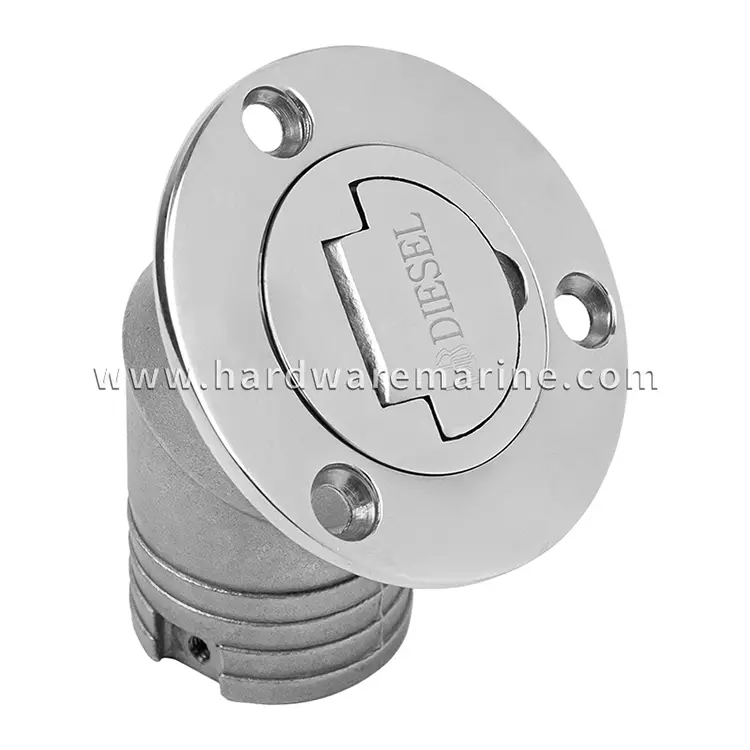
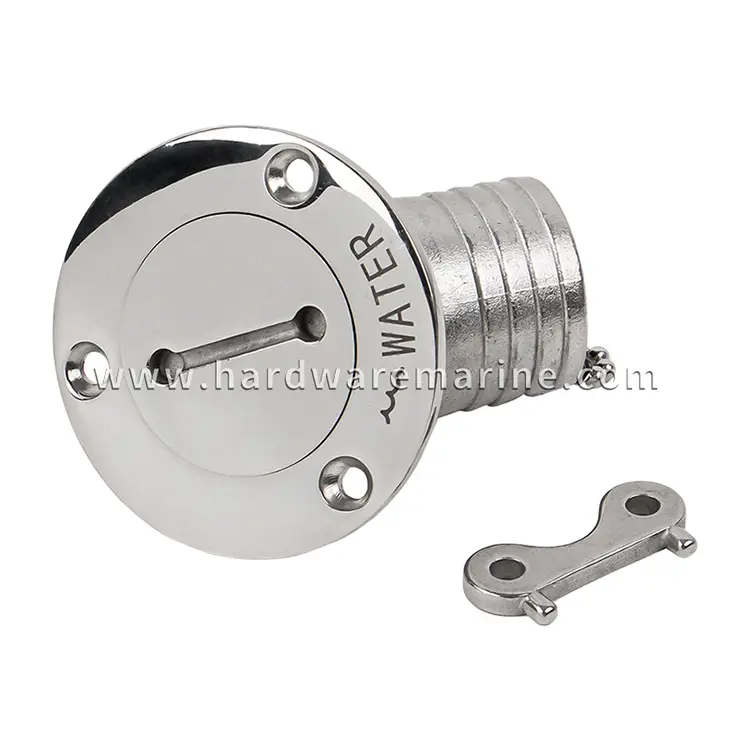
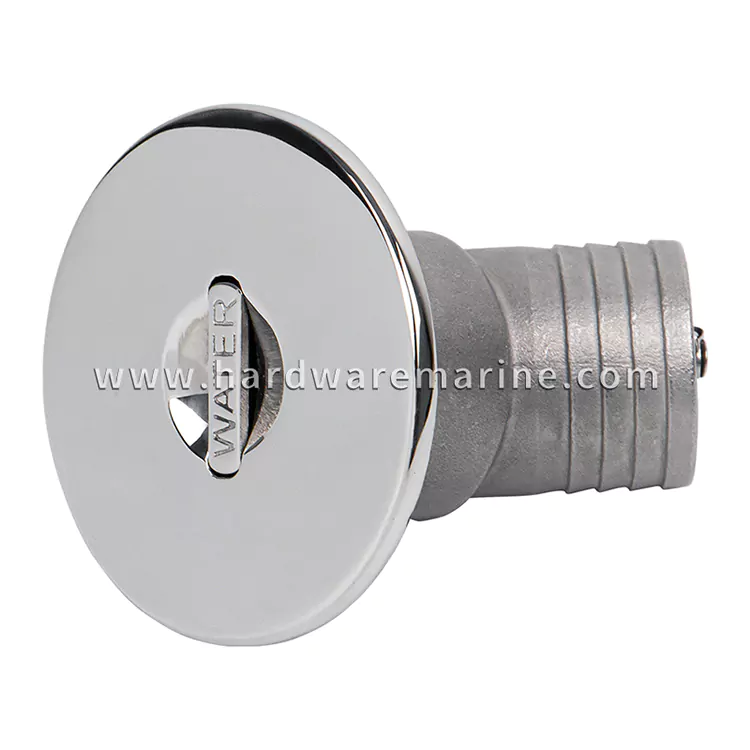
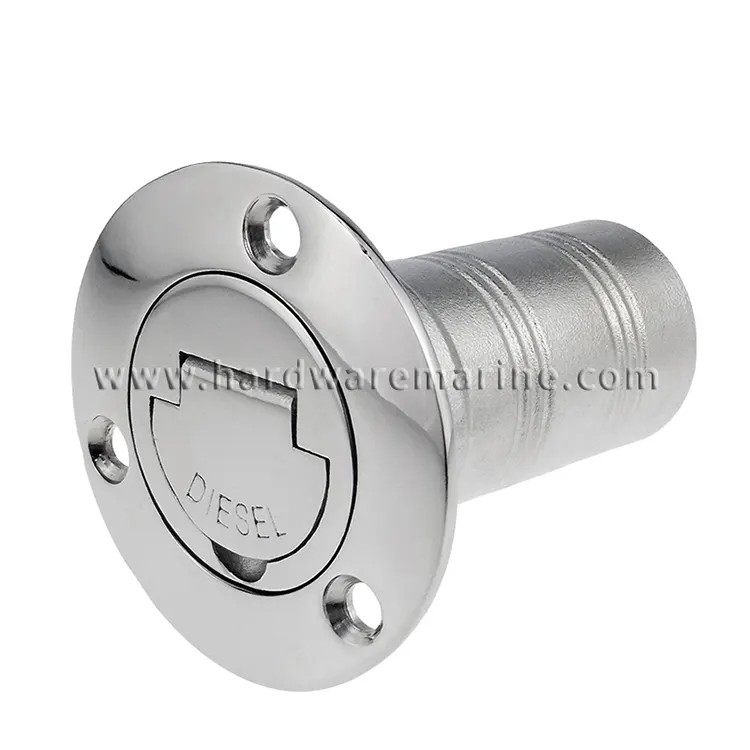
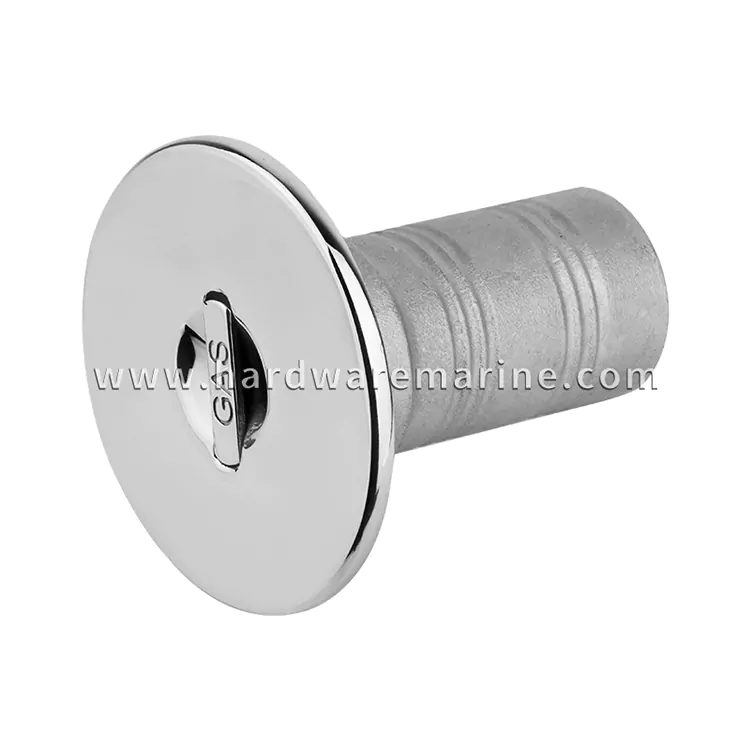
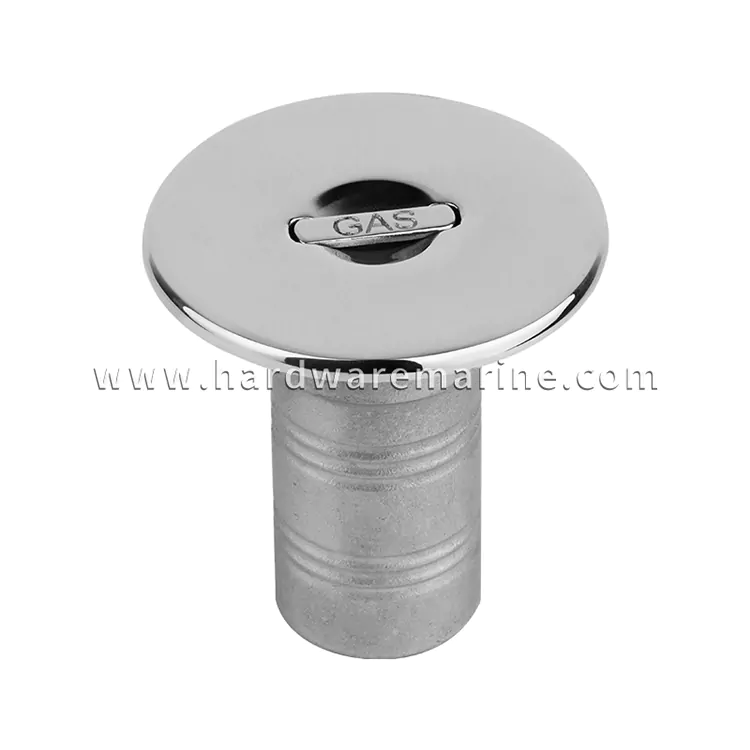
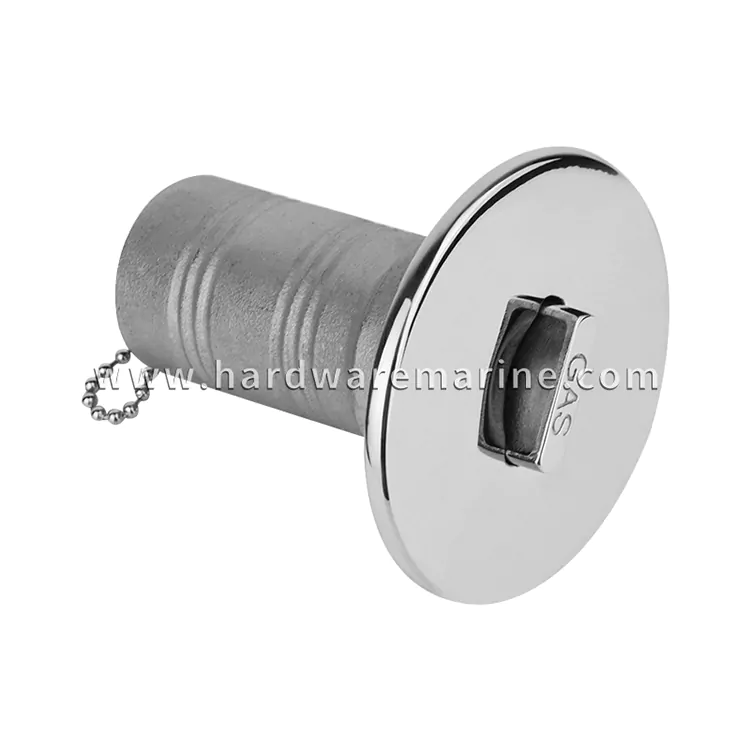
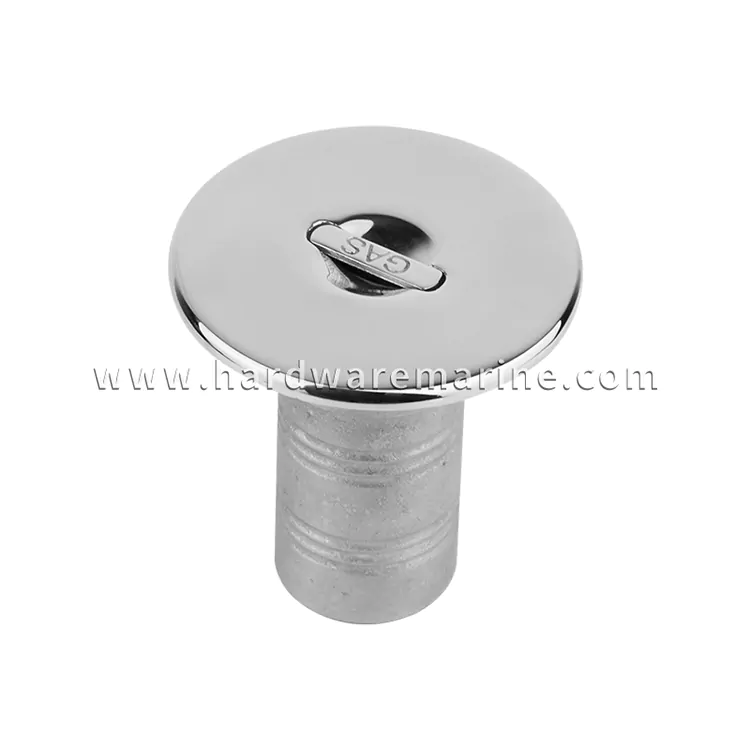
At first glance, this fitting looks like a clean round plate with a threaded cap. Lift the cap, and you see the thought that went into every surface. The body is machined from solid 316 stainless steel, not stamped from a thin sheet. The threads are cut precisely so the cap turns smoothly without cross-threading. The flange sits flat against the deck, with pre-drilled holes that line up with standard installation patterns. The cap itself is thick enough to handle foot traffic, and it includes a retaining element that keeps it from rolling overboard when open.
The finish is bright but not overly reflective. It has the kind of polish that resists fingerprints and wipes clean with a rag. Over time, it develops a slight haze at most, never the brown-orange bloom that comes from low-grade stainless. That matters when you spend your weekends sailing rather than scrubbing metal.
Shandong Power Industry and Trade Co., Ltd. designs this deck filler for multiple uses. The same model can handle diesel, gasoline, potable water, or holding tank waste, depending on the label and the hose connection. The cap seals against a replaceable O-ring, and the internal bore matches common marine hose diameters. That versatility means a single quality part can be used across several deck locations, simplifying spares and maintenance.
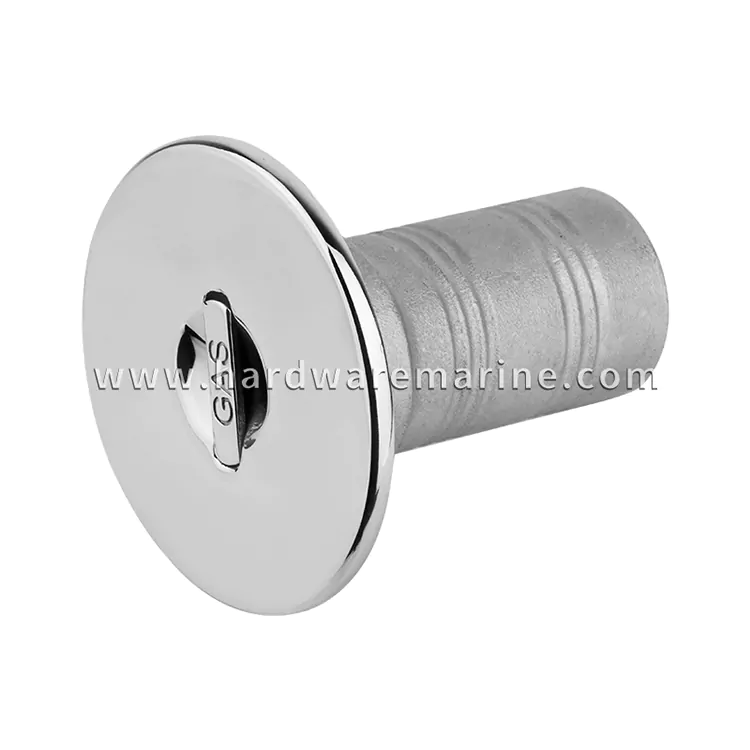
Marine hardware builders often use 304 stainless because it is cheaper and easier to source. 304 is fine for a kitchen sink in a dry house. On a boat, it tends to show pitting and rust within a few seasons, especially around crevices where salt water sits. 316 stainless adds molybdenum to the alloy, which significantly improves resistance to chlorides. That means the metal holds up against seawater, brackish marinas, and even the occasional chemical splash from cleaning products.
This is not a coating or a plating. The entire body and cap of the 316 stainless steel marine deck filler are made from the actual alloy, inside and out. There is no thin outer layer to scratch through. If a dock line rubs the surface, the scratch still looks silver, not brown. If a tool slips during installation, the exposed metal remains corrosion-resistant. That is a huge advantage over chrome-plated brass or zinc fittings that begin to fail the moment the plating is damaged.
For boat owners in tropical waters or areas with high humidity, this difference is even more pronounced. Salt air settles on every horizontal surface overnight. A lesser fitting will show rust at the screw heads, around the cap edge, and along the internal threads. With 316 stainless, those problems stay away for years. The initial cost difference is small compared with the labor of removing a corroded filler from a gelcoat deck and repairing the surrounding fiberglass.
Think about what happens when you open a deck filler on a moving boat. One hand holds the fuel nozzle, the other unscrews the cap. The boat rocks. The cap slips. It bounces once on the deck and disappears into the water. That is not a hypothetical. It happens constantly with cheap fittings that have no captive cap or a thin chain that rusts through.
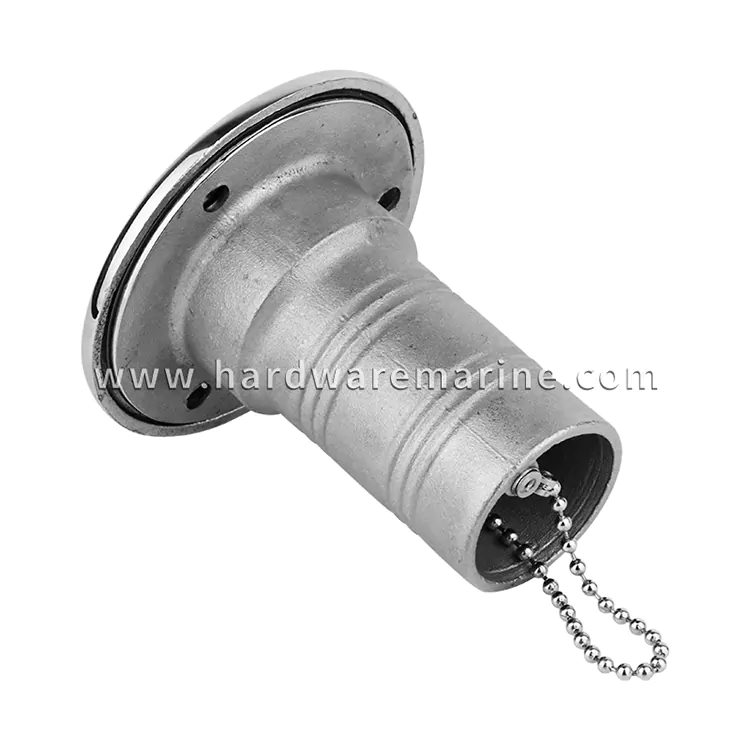
This 316 stainless steel marine deck filler uses a robust cap retention design. The cap stays attached to the body while open, either through a durable linked chain or a pivot mechanism, depending on the specific configuration. You can also remove the cap completely for cleaning or replacement, but it will not leave you accidentally when the boat lurches. The O-ring sits in a recessed groove, so it compresses evenly every time the cap is tightened. No uneven seating, no slow drip.
Inside the body, the fill opening is generous enough for a standard fuel nozzle without splashing back. The internal diameter matches common 1-1/2-inch and 2-inch marine fill hoses. The base has a raised lip around the opening that helps direct fluid downward and keeps small spills from creeping under the flange. That lip also gives the hose clamp a solid ridge to grip, reducing the chance of the hose slipping off under pressure.
The underside of the flange includes a machined groove for a bead of marine sealant. When you bed the fitting properly with polyurethane or polysulfide, water has no path between the metal and the deck. That is critical because a deck leak around the filler is often the hidden source of soft core material and rot. The pre-drilled countersunk holes accept standard flat-head screws, and the flange thickness keeps those screws from pulling through even if the deck flexes slightly.
Constant vibration is another enemy of deck hardware. Engines rumble, waves slap, and the whole boat flexes in a seaway. A fitting that is too thin will eventually crack around the screw holes. A fitting that is poorly machined will wear its threads until the cap no longer tightens. The 316 stainless steel marine deck filler from Shandong Power Industry and Trade Co., Ltd. is built with enough material thickness to resist that fatigue.
The threads are cut, not rolled or cast, which gives them a clean profile with minimal play. The cap engages smoothly and seats firmly against the O-ring without requiring excessive force. In cold weather, the metal does not become brittle. In hot sun, it does not soften or warp. That means you can count on the same feel in a Nova Scotia autumn and a Caribbean summer.
Installation is straightforward for anyone with basic tool skills. After cutting the deck opening to the specified diameter, you dry-fit the filler, apply sealant, bed the flange, and secure it with screws from above. The underside accepts a variety of hose connections, including straight and elbow fittings, depending on the space below deck. Many boats have tight runs between the deck and the tank, so the compact profile of this filler helps keep the hose bend gentle.
Numbers are useful when you are planning a refit or replacing an old part. The table below gives the key dimensions and material details for this deck filler. These values are typical for the standard configuration and may vary slightly by production batch or specific model variant.
| Body material | Solid 316 stainless steel, investment cast and machined |
|---|---|
| Cap material | 316 stainless steel with polished exterior |
| Seal type | Replaceable Buna-N or Viton O-ring (fuel and water compatible) |
| Flange diameter | Approx. 4.5 inches (114 mm), varies by hose size |
| Hose connection | 1-1/2 inch or 2 inch barbed or threaded tail, depending on model |
| Mounting holes | Three or four countersunk holes for #10 or #12 screws |
| Finish | Mirror polished exterior, media-blasted underside for sealant grip |
| Typical applications | Diesel, gasoline, potable water, black water holding tank |
| Weight | Approx. 0.8 to 1.2 lb (360 to 540 g), depending on tail size |
Because every boat is different, it is wise to measure your existing deck opening and hose diameter before ordering. The standard flange will often cover the old screw holes from a previous filler, but a little extra surface area helps when replacing a unit with a different bolt pattern.
Who actually needs this fitting? The answer is broader than you might think. A weekend sailor with a small outboard-powered cruiser wants a deck filler that does not leak rainwater into the fuel tank. A full-time liveaboard couple depends on their water filler to stay clean and sanitary. A commercial charter captain needs every fuel stop to be fast and spill-free. A marine repair shop wants a reliable replacement part that will not come back with complaints about rust or loose caps.
The 316 stainless steel marine deck filler fits all those situations. It works on sailboats, powerboats, trawlers, pontoons, and even some custom workboats. It suits both new builds and refits. If you are replacing a sun-damaged plastic filler or a pitted chrome fitting, the upgrade is immediate and visible. The polished stainless flange covers old sealant stains and faded gelcoat around the opening, giving the deck a cleaner look.
Below deck, the benefits are less visible but more important. A tight seal keeps water out of fuel, which protects the engine from contamination. A secure hose connection prevents fuel vapors from escaping into the bilge. A properly bedded flange stops water intrusion into the deck core. Those are real safety and maintenance gains, not just cosmetic upgrades.
For boat builders and yards, this fitting reduces callback rates and warranty issues. Shandong Power Industry and Trade Co., Ltd. supplies these deck fillers in consistent quality, with the kind of tolerances that make installation repeatable. That reliability matters when you are building ten boats a year or servicing a hundred.
There is a particular kind of confidence that comes from using hardware that does not fight you. The cap spins off with a firm but easy turn. The O-ring seats with a soft thump. The retaining chain stays put when the boat rocks. After a season of use, the fitting still looks bright. After five seasons, the threads still engage cleanly. That feeling quietly changes your relationship with routine maintenance.
Instead of dreading the fuel dock because the cap might stick or the nozzle might splash, you go through the motions without thinking. Instead of noticing rust streaks after a rough passage, you see only salt crystals that rinse away. Instead of adding a deck filler to the off-season repair list, you spend that time on sail trim or fishing gear or simply enjoying the water.
The emotional payoff is not flashy. It is the absence of small frustrations. The lack of corrosion. The simple pleasure of a part that looks as good as it works. Boating already comes with enough variables. Weather, tides, traffic, mechanics. A deck filler should not be one of them. This one removes that variable.
Plastic deck fillers are cheap and light, but they crack under UV and foot impact. Chrome-plated zinc fillers look shiny in the showroom but corrode quickly once installed. 304 stainless fillers are better, but they still struggle with crevice corrosion in saltwater environments. The difference with 316 stainless is not a marketing gimmick. It is a measurable improvement in chloride resistance that marine engineers have relied on for decades.
Beyond the alloy, the design details set this product apart. The cap retention system prevents loss. The internal O-ring groove ensures even compression. The raised fill neck guides the hose and clamp. The thick flange resists flex. The underside is blasted for sealant adhesion. None of those features is unique on its own, but together they form a package that performs far better than a generic fitting.
Shandong Power Industry and Trade Co., Ltd. also understands that marine hardware must be practical to install. The hole spacing, flange diameter, and tail sizes follow common industry standards, so this filler can replace most existing units without major deck surgery. That backward compatibility is a significant advantage for boat owners who want an upgrade without a full refit.
Will this deck filler work with gasoline, diesel, and water?
Yes. The 316 stainless steel body is compatible with all three, and the standard O-ring material is selected to resist both fuel and water. For long-term use with harsh chemicals or very hot water, a Viton O-ring can be substituted. Always match the hose tail size to your existing fill hose, and label the cap clearly if you use the same model for multiple tank types.
How do I prevent water from leaking around the flange?
Use a marine-grade polyurethane or polysulfide sealant. Clean the deck surface with solvent, dry it completely, apply a continuous bead around the underside groove and around each screw hole, then bed the fitting. Tighten the screws evenly without over-compressing the sealant. After 24 hours, check for gaps and add a thin secondary bead around the flange edge if needed.
What size hose does this filler accept?
The most common sizes are 1-1/2 inches and 2 inches in diameter. Before ordering, measure the inside diameter of your current fill hose and the outside diameter of the existing tail. If you are replacing a deck filler on an older boat, the hose may have hardened, so plan to replace a short section of hose at the same time if necessary.
Can the cap be replaced if it is damaged?
Yes. The cap is a separate component and can be replaced without removing the body from the deck. If the retaining chain or pivot hardware wears after many years, those parts are also serviceable. Keep a spare O-ring on board as part of your routine maintenance kit.
Is this fitting suitable for waste holding tanks?
Yes, with the correct hose connection and proper labeling. The 316 stainless construction resists the corrosive compounds found in waste systems. Make sure to use a designated cap color or label so there is no confusion at the pump-out station. Never use the same deck filler for potable water and waste without clearly marking the deck plate and hoses.
How does this compare to a 304 stainless deck filler?
304 stainless contains less molybdenum, so it is more vulnerable to pitting and crevice corrosion in saltwater. Over time, 304 fittings often develop rust around the screw holes and cap threads. The 316 stainless steel marine deck filler from Shandong Power Industry and Trade Co., Ltd. costs a bit more initially but lasts significantly longer in a marine environment, which saves labor and replacement costs over the life of the boat.
Will the finish stay bright in a saltwater environment?
It will stay bright with occasional rinsing. 316 stainless can develop a light tea stain from salt deposits, but that is easily removed with fresh water and a soft cloth. The metal will not corrode like chrome or lower-grade stainless. If you want extra protection, apply a light coat of marine metal polish once or twice per season.
What screw size is recommended for installation?
The countersunk holes accept #10 or #12 flat-head stainless steel screws. Use pan-head screws only if the deck surface is uneven and you need a little extra hold. Always use stainless steel screws, preferably 316, to avoid galvanic corrosion between the screws and the filler body.
The deck plate you choose is a small part of a big system, but it sits in a spot where failure is immediately visible and often expensive. A leaky fuel filler can ruin a tank of diesel. A loose water filler can let bacteria into your fresh water. A corroded waste filler can create a smell you will never forget. Upgrading to the 316 stainless steel marine deck filler from Shandong Power Industry and Trade Co., Ltd. removes those risks with a single well-made component.
Whether you are replacing a tired old fitting or fitting out a new build, this deck filler earns its place with honest materials and thoughtful design. It is the kind of hardware you install once, check occasionally, and rarely think about again. That is exactly what good marine equipment should do.