
Marine Anchor,Boat Bollard,Thru-Hull,Boat Cleat,Boat Seat,R&D Customized Marine Products,Seawater Strainers,Pull Rings,Marine Steering Wheel,Deck Filler,Pipe Stanchion,Hinge,BIMINI Fitting,Bow Chock,Boat Anchor Roller,Marine Ladder,Fishing Rod Holder,Deck Plate,Antenna Base,Cockpit Drain,Turning Lock,OEM/ODM Marine Hardware,Chain Stopper,Anchor Connector,Tank Vent,Boat Anchor,Copper Plated Marine Hardware,Brass Bronze Parts,Anchor Chain


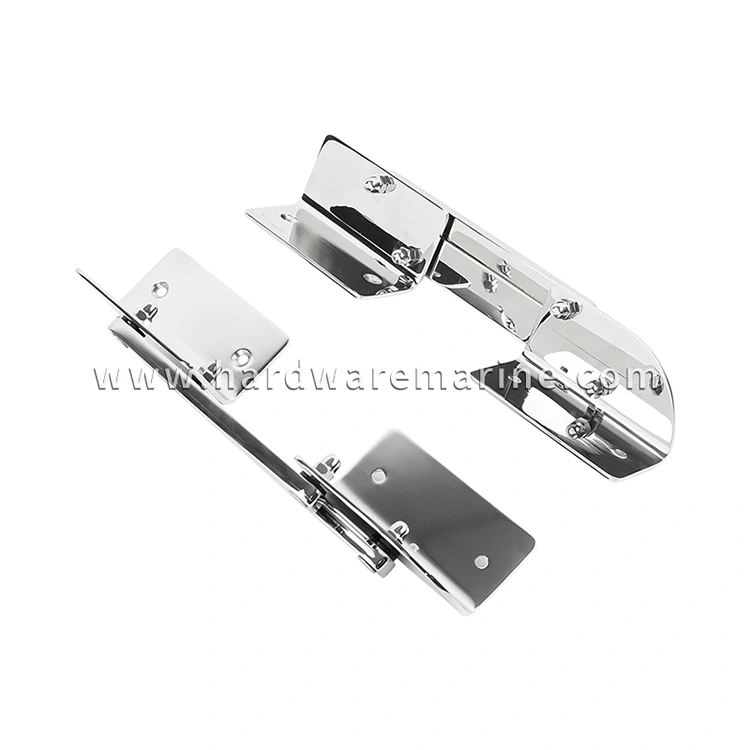
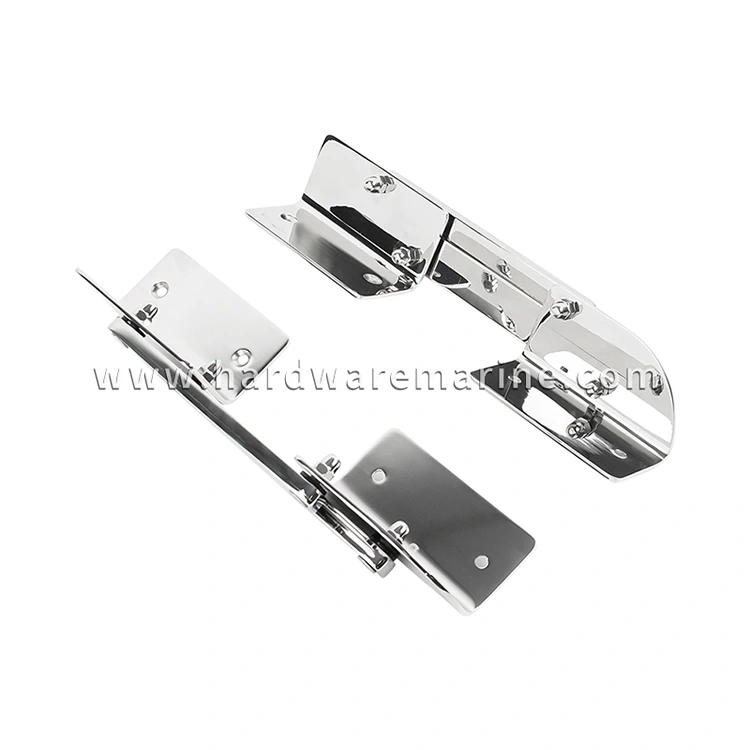
Imagine a morning on the water, the sun glinting off the gentle swells, everything feeling effortless and safe. You lean back in your helm chair, adjust a seat cushion, and trust that every component under you is holding strong. That confidence starts with the smallest but most crucial parts — the hinges that connect, pivot, and endure. The 316 Stainless Steel Marine Boat Seat Hinges offered by Shandong Power Industry and Trade Co., Ltd. are built exactly for this kind of uncompromising environment, merging ocean-proven materials with clever design to give you peace of mind season after season.
Anyone who spends time aboard knows that the marine world doesn’t forgive shortcuts. Salt spray creeps into crevices, constant motion stresses pivot points, and direct sun can degrade subpar metals faster than expected. A common frustration is discovering a boat seat hinge that has started to corrode after a single season, its movement becoming sticky or rough. Worse, a failed hinge can lead to a suddenly unstable seat — a safety hazard in rolling seas. These moments steal your focus from the joy of boating and turn routine maintenance into a headache.
Standard stainless steel hinges often fall short because they use 304-grade material, which holds up well indoors but can develop pitting in salt-rich air. The nickel content isn’t designed to combat chlorides effectively. And if a hinge isn’t precisely machined, lateral play develops over time, making the entire seat feel wobbly. Owners end up lubricating, retightening, and replacing far sooner than they anticipated. This cycle of disappointment eats away at both your wallet and your time on the water.
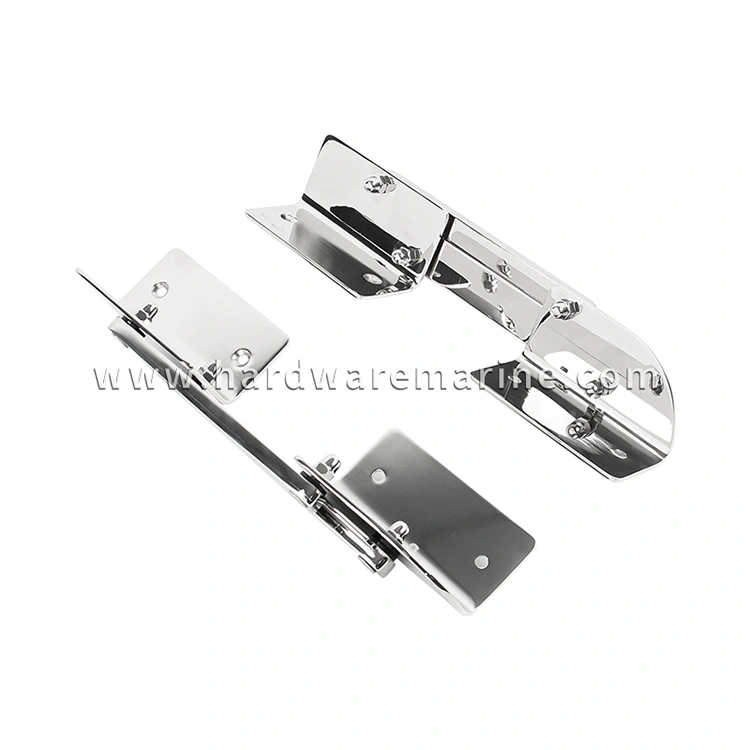
When you choose hardware from Shandong Power Industry and Trade Co., Ltd., you’re investing in metallurgy that has been proven in offshore rigs, surgical instruments, and high-end marine fittings. 316 stainless steel contains molybdenum, a subtle addition that dramatically increases resistance to pitting corrosion from chlorides. This means the hinge face, pin, and leaves maintain their smooth, clean surface even if constantly splashed with saltwater and left to dry in the sun. There is no surface coating to flake off — the corrosion resistance runs through the entire metal.
But material alone isn’t enough. Engineering separates a good hinge from a great one. Each piece is precision-cast and then CNC-finished to ensure leaves align perfectly without binding. The pin is secured using a peened or capped design so it won’t work itself loose under vibration. The result is an action that feels as fluid on the 500th opening as it does on the first. Whether it’s a fold-down leaning post, a swing-away observer seat, or a helm chair backrest, the motion stays predictable and quiet.
Let’s walk through what happens when you install these hinges. You remove an old, pitted set that creaks every time you lift the cushion. The new 316 Stainless Steel Marine Boat Seat Hinges match the mounting pattern with thoughtful tolerance. Screws sink into countersunk holes that are deburred and perfectly circular, reducing any risk of electrolysis between fastener and hinge. After a quick swap, you test the fold. It moves smoothly, without side-to-side slop, and the polished surface practically sheds water. In the weeks that follow, you notice no discoloration, no stiffness after a rainy night, and no need to dig out the anti-corrosion spray.
This isn’t a promise we take lightly. The hinges hold up in a documented set of performance parameters that reflect the conditions they’re built to handle. Below is a snapshot of what you can expect from this product line, blending material specifications with functional capacity.
| Feature | Specification / Performance |
|---|---|
| Material Standard | ASTM A240 316 stainless steel (UNS S31600) |
| Surface Finish | Mirror-polished to Ra ≤ 0.4 µm for easy cleaning |
| Corrosion Resistance | Over 1,000 hours salt spray test (ASTM B117) without red rust |
| Typical Load Rating (per pair) | Up to 350 lbs (160 kg) static load when properly mounted |
| Pin Material | Passivated 316 stainless steel, diameter 5/16" (8 mm) |
| Leaf Thickness | 0.12" (3.0 mm) for standard models |
| Rotation Angle | 0°–180° with integrated stop |
| Fastener Compatibility | Countersunk for #10 or M5 flat head screws |
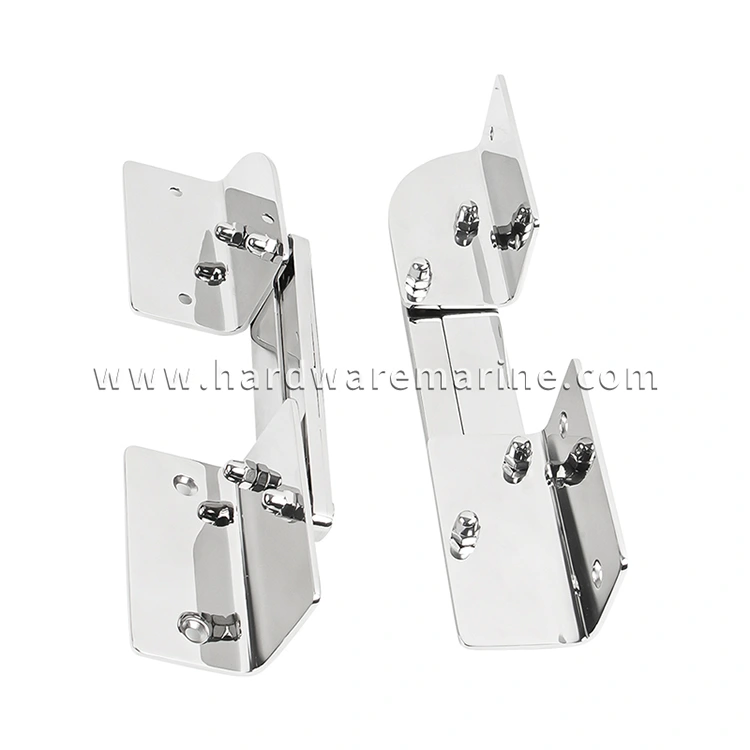
Every figure here stems from batch testing under the quality protocols maintained by Shandong Power Industry and Trade Co., Ltd. Our team doesn’t simply source materials and hope for the best. In-house verification includes dimensional checks, surface roughness measurement, and corrosion chamber validation. This means the hinges you receive aren’t just “marine grade” in name — they’ve earned that term through measurable results.
These hinges appeal to a wide-ranging group united by the desire for low-maintenance reliability. The fishing enthusiast who constantly flips seats to access livewells or tackle storage needs hardware that won’t jam when wet hands are covered in bait. The family cruiser operator wants to know that when a child squirms on a fold-down seat, the hinge holds firm without pinching fingers. Professional captains and charter boat owners demand hardware that survives daily use, constant cleaning, and sunlight that can warp lesser metals. Even the boat builder or restoration specialist appreciates the consistency of a product that meets strict dimensional tolerances, making installation predictable every time.
The scenario is as simple as it is vital: a hinge on a vessel is not a static ornament. It becomes part of the safety net, supporting movement, posture, and comfort. When properly selected, it disappears from your concerns, letting you focus on navigation, relaxation, or the next big catch.
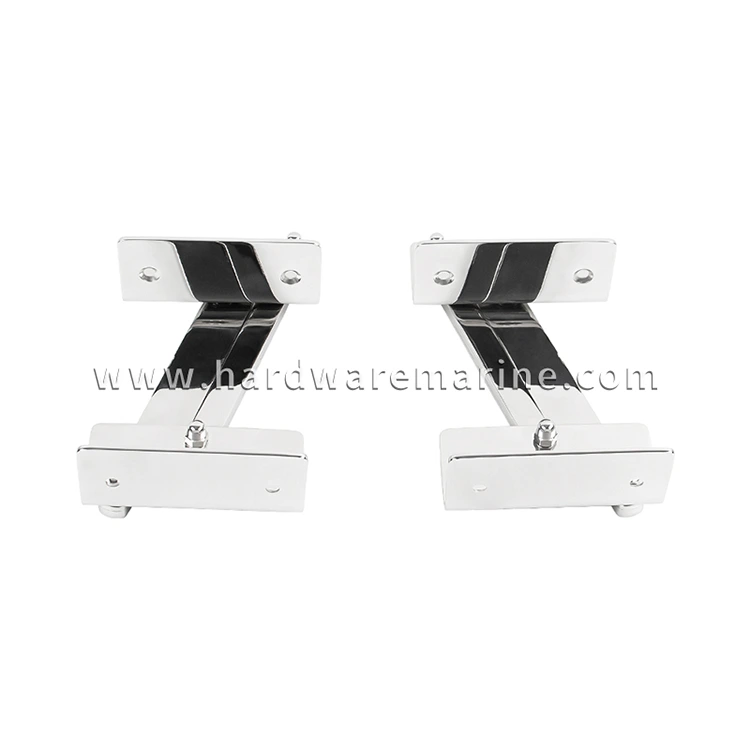
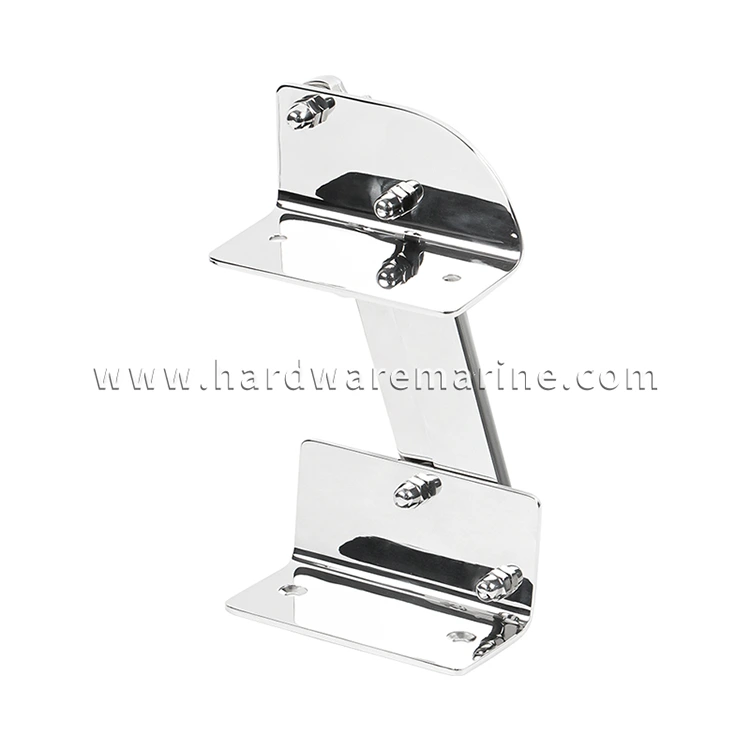
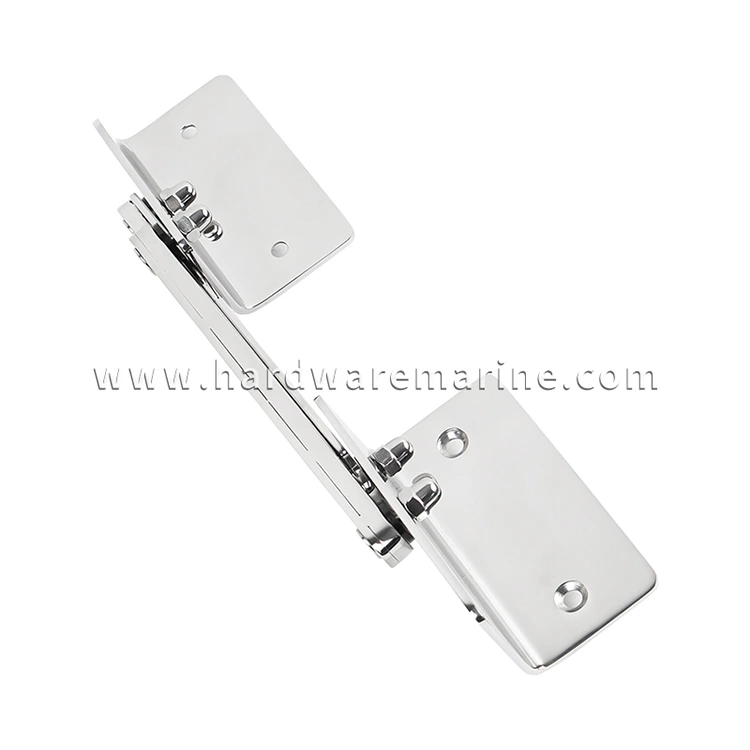
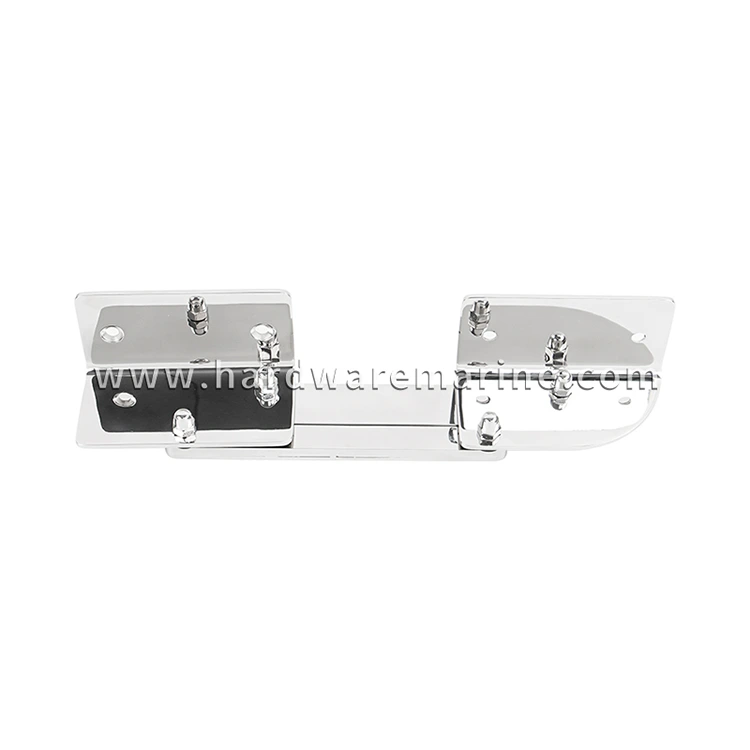
Look closely at the 316 Stainless Steel Marine Boat Seat Hinges and you’ll see a thoughtful contour. The leaves are not just flat rectangles — they feature a gentle radius along the edges, reducing the chance of snagging fabric or skin. The pin end is flush with the knuckle, so there’s no protruding rod to scratch adjacent surfaces or corrode at the tip. Even the countersink angle is precisely 82°, matching standard flat-head marine screws, which minimizes gaps where moisture could sit and cause corrosion between dissimilar metals.
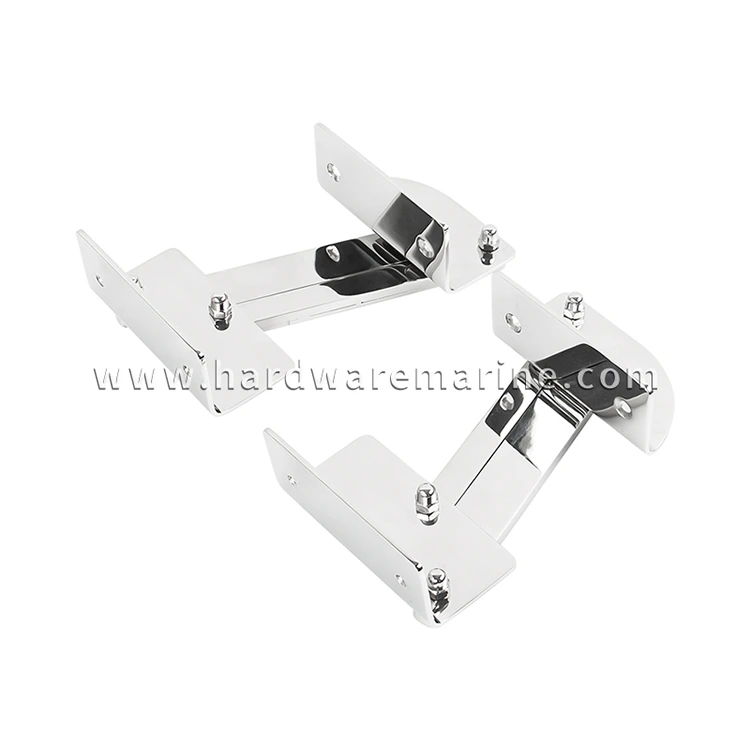
We also understand that aesthetics on a boat matter just as much as function. A dull, stained hinge on an otherwise pristine interior is an eyesore. The mirror-polished finish achieves a chrome-like brilliance straight out of the box. Over time, it keeps its luster with only a simple wipe-down. There’s no nickel plating to blister, no chrome to peel — the shine is inherent to the base metal. This gives your seats a clean, premium look that elevates the entire cockpit or cabin appearance.
Think about a particularly rough crossing when the boat heaves and everything unsecured threatens to shift. You brace yourself, but beneath you, the seat stays perfectly solid. That feeling of security, of something behaving exactly as expected, changes how you experience the sea. It transforms anxiety into quiet respect for the elements, because you know your equipment is up to the task. The 316 Stainless Steel Marine Boat Seat Hinges create this emotional foundation. They are the unsung heroes that keep you comfortable, safe, and in command.
When you bring a new guest aboard and they comment on how solidly everything feels, you might not think to credit a hinge. Yet that impression of quality is often the sum of many invisible parts doing their job. No wobbles, no groans, no rust drips staining fiberglass — that’s the behind-the-scenes performance that gives you pride in your vessel. And pride in ownership translates into more hours on the water, making memories rather than repairs.
Craftsmanship starts with the raw material. We source 316 stainless steel coils from mills that provide full material certifications. Each coil undergoes spectrometry checks to confirm the alloy composition — verifying that molybdenum content is at least 2.0%, chromium at least 16.5%, and nickel at least 10.0%. Only then does the steel enter the stamping and machining process. After forming, parts are deburred, passivated, and polished in a multi-stage bright finish line that includes both mechanical and chemical components for a flawless surface.
Assembly is equally rigorous. The pin is inserted with a controlled interference fit that resists migration but still permits smooth rotation. A final inspection under magnification catches any surface defects. The hinges are then packed individually in anti-scratch sleeves and labeled with lot numbers for full traceability. This chain of accountability is what allows us to stand behind each unit, knowing it will perform from the Chesapeake Bay to the Coral Sea.
Though the name highlights boat seats, these hinges prove their worth beyond a single use. They are frequently chosen for:
In each case, the resistance to chloride-induced corrosion and the smooth, non-binding movement become the determining factors. The stainless steel’s ability to handle both wet and dry conditions without lubrication makes it ideal for compartments where you don’t want grease staining gear.
When placed side by side with common 304 stainless hinges, the differences emerge quickly. In as little as 200 hours of salt spray exposure, 304 can exhibit tea-staining and tiny rust spots. The 316 counterparts from Shandong Power Industry and Trade Co., Ltd. show no such degradation under identical conditions. The pin design, too, holds a distinct advantage. Many generic hinges use a roll pin or a loose clevis that can walk out over time. Our peened solid pin remains captive indefinitely while delivering a consistently light-torque swing.
Users also note the thickness of the leaves. Where some economy models use 2.0 mm material that flexes under load, our standard 3.0 mm adds rigidity. This prevents the hinge leaves from deforming when screws are tightened, a common cause of premature failure. The extra mass also better distributes the weight of a heavy seat cushion or cover, reducing stress on fasteners.
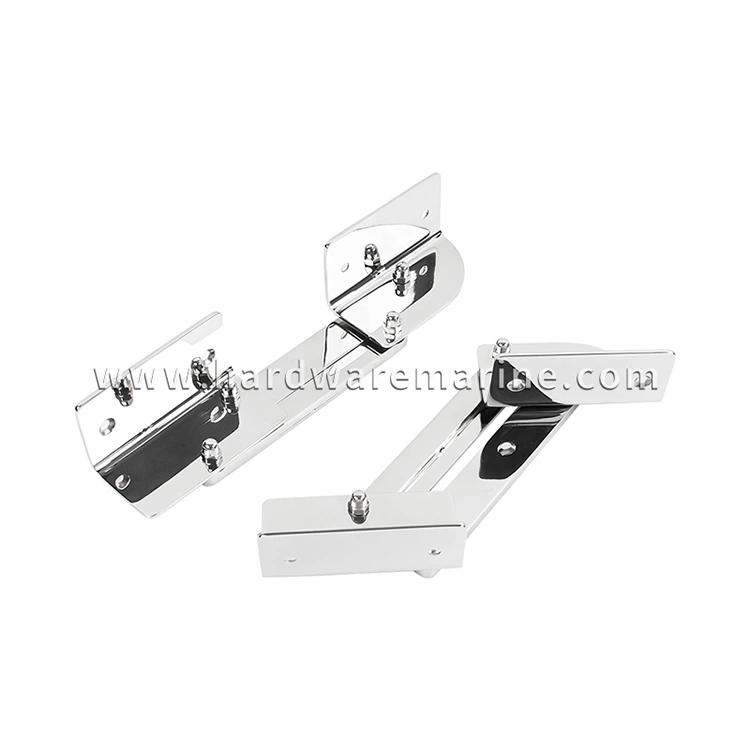
Even the best hinge needs a proper marriage with its mounting surface. We recommend using 316 stainless steel fasteners exclusively to maintain full corrosion compatibility. Apply a small amount of marine sealant or Tef-Gel to screw threads if mounting into aluminum or carbon steel backing plates. Countersink holes in the wood or composite should be deep enough that the screw head sits flush, preventing the hinge from rocking. And while the hinges require no lubrication, a periodic freshwater rinse followed by wiping dry will preserve the mirror shine indefinitely.
Because the mounting holes are evenly spaced on industry-standard centers, retrofitting is a straightforward task. Remove old hardware, clean the area, dry-fit to confirm alignment, and then bed the hinges with a thin marine-grade sealant under the leaf. In just minutes, the transformation is complete — from an unreliable pivot point to a rock-solid connection.
| Available Size | Open Dimensions (L x W) | Leaf Width | Pin Diameter | Typical Pair Weight |
|---|---|---|---|---|
| Small | 2.36" x 1.57" (60 x 40 mm) | 0.79" (20 mm) | 0.24" (6 mm) | 0.18 lbs (82 g) |
| Medium | 3.15" x 2.05" (80 x 52 mm) | 1.02" (26 mm) | 0.31" (8 mm) | 0.35 lbs (160 g) |
| Large | 4.33" x 2.76" (110 x 70 mm) | 1.38" (35 mm) | 0.39" (10 mm) | 0.62 lbs (280 g) |
These dimensions cater to everything from lightweight locker lids to heavy-duty captain’s chair fold-down mechanisms. Selecting the right size ensures the hinge operates within its ideal load range, prolonging its life and maintaining that flawless feel.
A fishing guide in the Florida Keys recently swapped every seat hinge on his center console after a charter client complained about a rusty stain on his shorts. The new 316 Stainless Steel Marine Boat Seat Hinges haven’t shown a single blemish in eight months of daily use, even with constant saltwater exposure and fish slime cleanups. He noted that the seats now feel “factory-fresh” when flipping them forward to access storage below. That small change has measurably improved his clients’ experience and his own daily workflow.
A couple restoring a classic 1970s cabin cruiser in the Pacific Northwest chose these hinges during the rebuild. They initially worried that modern hardware might look out of place, but the polished finish blended beautifully with the vintage teak interior. More importantly, they discovered that the boat’s previous hinges had caused water intrusion into the seat bases, leading to rot. The new hinges, sealed correctly during installation, stopped the problem entirely. Now they enjoy worry-free weekend cruises, confident the structure beneath them is solid.
Even in competitive sailing, where every ounce counts, crews appreciate that the hinges don’t sacrifice durability for weight. The medium size hits a sweet spot, providing a sturdy fold-down function for chart table covers and navigator seats without adding excessive mass. The smooth pivot allows one-handed operation even in rough weather, a detail that can make a real difference during a race.
To fully appreciate what sets these hinges apart, it helps to understand the science of marine corrosion. Chloride ions in saltwater attack the passive chromium oxide layer on stainless steel. In 304 stainless, when that layer is breached, the lack of molybdenum allows pitting to initiate and spread. 316 stainless, with 2-3% molybdenum, forms a more stable passive film that rapidly reforms if scratched. This process, known as repassivation, means that even in a scratch, the metal doesn’t become an active pit site.
Additionally, Shandong Power Industry and Trade Co., Ltd. uses a passivation treatment after polishing, which further enriches the chromium oxide surface and removes any free iron left from tooling. Free iron is a hidden enemy that can trigger galvanic corrosion, appearing as rust spots that are actually contamination rather than metal failure. Our passivation step eliminates this risk entirely, delivering a hinge that truly lives up to its marine billing.
The hinges require virtually no active maintenance. If you’re in a particularly harsh environment — say, moored in a hot, salty marina — we recommend a freshwater rinse every few weeks. A microfiber cloth removes any salt residue without scratching the surface. No chemicals are needed. Over winter, a light coat of any non-conductive marine protectant can be applied to the pin area if desired, but it is purely optional. The hinged joint will not seize, guaranteeing that first sunny day of spring is met with functional seating ready to go.
While hinges may not be the first component that comes to mind in safety discussions, they play a critical role. A seat that collapses unexpectedly can lead to falls, back injuries, or even a person going overboard. Our hinges are designed with a full 180-degree stop that prevents over-rotation and supports the seat back in an upright position. The stop is an integral forged feature, not a separate clip that could fail. Combined with consistent load capacity per pair that far exceeds typical human weight, you have a dependable containment system for any seated position.
We also comply with relevant marine industry standards for corrosion resistance and material traceability. Each production batch is documented, and samples are retained for at least five years, giving customers confidence that they are purchasing from a company that takes long-term accountability seriously.
Sustainability on the water starts with choosing products that don’t need frequent replacement. A hinge that lasts 20 years prevents the resource consumption, packaging waste, and shipping emissions of repeatedly replacing inferior hardware. 316 stainless steel is fully recyclable at the end of its life. By engineering for longevity, we help reduce your boat’s overall environmental footprint. Less discarded metal means cleaner shores and a healthier marine ecosystem — something every boater can get behind.
Boatbuilders and OEMs often need specific leaf dimensions or hole patterns. Shandong Power Industry and Trade Co., Ltd. maintains flexible manufacturing capabilities to accommodate custom requests. Whether you need a longer leaf for a thick cushion base or a slightly thicker pin for an extra-heavy door, our engineering team can work with your drawings to produce hinges that match your exact specifications. We keep an extensive inventory of standard sizes, but we also welcome the opportunity to collaborate on unique solutions. Turnaround times for custom orders are competitive, and the same rigorous quality standards apply.
Each hinge is individually inspected and then wrapped in a protective VCI (volatile corrosion inhibitor) paper before being placed in a sturdy carton. This packaging ensures that no surface contamination occurs during transit, even if the package is exposed to humidity. Bulk orders are shipped in reinforced export-grade cartons with clear labels. Our logistics partners are experienced in marine hardware distribution, so whether you need a single pair sent to a marina or a pallet sent to a boat manufacturer, the hinges arrive ready to install.
In most cases, yes. Our standard patterns match the most common hole spacing used in marine seating. We provide detailed dimensional drawings on our product page. It’s best to measure your current hole centers and compare. Even if there’s a small discrepancy, filling old holes with marine epoxy and re-drilling is a quick task that guarantees a perfect match.
While 316 stainless offers excellent corrosion resistance, it is not intended for constant immersion where crevice corrosion can eventually occur. For applications like livewell lids that are frequently wet but drain quickly, the hinge performs beautifully. If it must sit underwater permanently, we recommend considering a more specialized alloy. For almost every above-water marine use, 316 is the gold standard.
The pin is mechanically peened at both ends after installation, creating a permanent cap that prevents lateral movement. This process is done under precise control so that the pin remains free to rotate smoothly. There are no circlips or set screws to loosen over time.
No. The stainless-on-stainless bearing surface is naturally low-friction and will not gall under normal seat operation. If you ever experience stiffness after years of use, a brief freshwater rinse is usually all that’s needed. Avoid grease, which can attract salt and dirt.
These hinges represent a mid-range investment that pays back over many years. While initially more expensive than 304 versions, they eliminate the cost and labor of future replacements. When you factor in the removal of corroded hardware, possible fiberglass repair, and downtime, high-quality 316 stainless becomes the far more economical choice.
Absolutely. They work well for any lightweight to medium-weight door or lid that experiences frequent use. For a companionway, we often recommend the large size for extra rigidity and load spreading. Many sailors choose these for chart table lids and navigation station covers as well.
A non-abrasive metal polish such as a restoration cream can bring back the mirror shine. The solid 316 material means you’re polishing the actual metal, not a thin coating, so there’s no risk of rubbing through to a base layer. In practice, with normal cleaning, the finish stays bright for years.
They are manufactured under the quality management system of Shandong Power Industry and Trade Co., Ltd. with rigorous oversight. Our production facility combines advanced stamping and finishing equipment with skilled technicians who specialize in marine-grade stainless components. Every batch undergoes inspection before release.
Yes, we welcome sample requests. A single pair can be purchased to evaluate fit, finish, and performance. Many boatyards and restoration professionals do exactly this to confirm compatibility before committing to a larger order. Contact our customer service team for details.
316 stainless retains its mechanical properties from well below freezing to temperatures far beyond anything a boat interior would experience. There’s no thermal expansion issue with the pin joint. The material does not become brittle in cold climates, nor does it weaken in tropical sun. You can count on consistent operation year-round.
Boating is an activity driven by passion, but also by practicality. Downtime for repairs or replacements takes away from the limited weekends and vacations we have on the water. Choosing 316 Stainless Steel Marine Boat Seat Hinges from Shandong Power Industry and Trade Co., Ltd. is a deliberate step toward reducing that downtime to almost zero. It’s a statement that you prefer to spend your time where it counts — on the water, not underneath a seat, troubleshooting corroded parts.
The attention to material purity, the precision of fit, and the mirror finish that resists the environment all converge into a product that quietly becomes a permanent part of your boat’s personality. You stop thinking about the hinges, and that’s exactly the point. They disappear into their role, allowing you to connect fully with the sea, the sky, and the experience of being aboard.
From the moment you open the package, the cool weight in your hand and the flawless reflection tell you that these aren’t ordinary components. They represent a philosophy of building things to last in an age of disposability. Every trip becomes a testament to that philosophy, as your seats remain steady, quiet, and utterly reliable. The sea does not give second chances easily, but it rewards those who prepare with integrity. Let your boat be one of the prepared ones.
